INDBInternet News Database 2.5 Updated just now · 296 sources Show or hide images Light or dark

Results for “Telescope The Leonid”

Left 40%40%Centre 60%60%
The New York TimesLeft

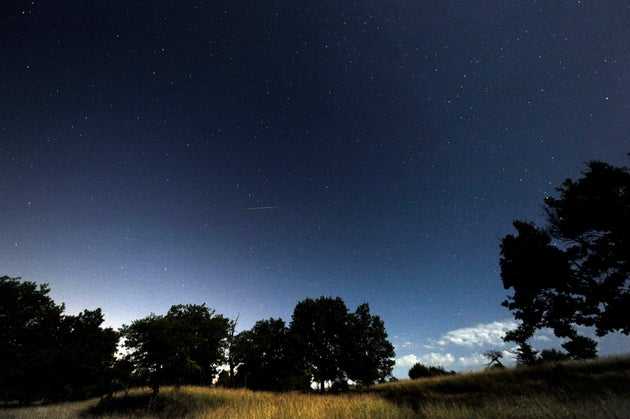
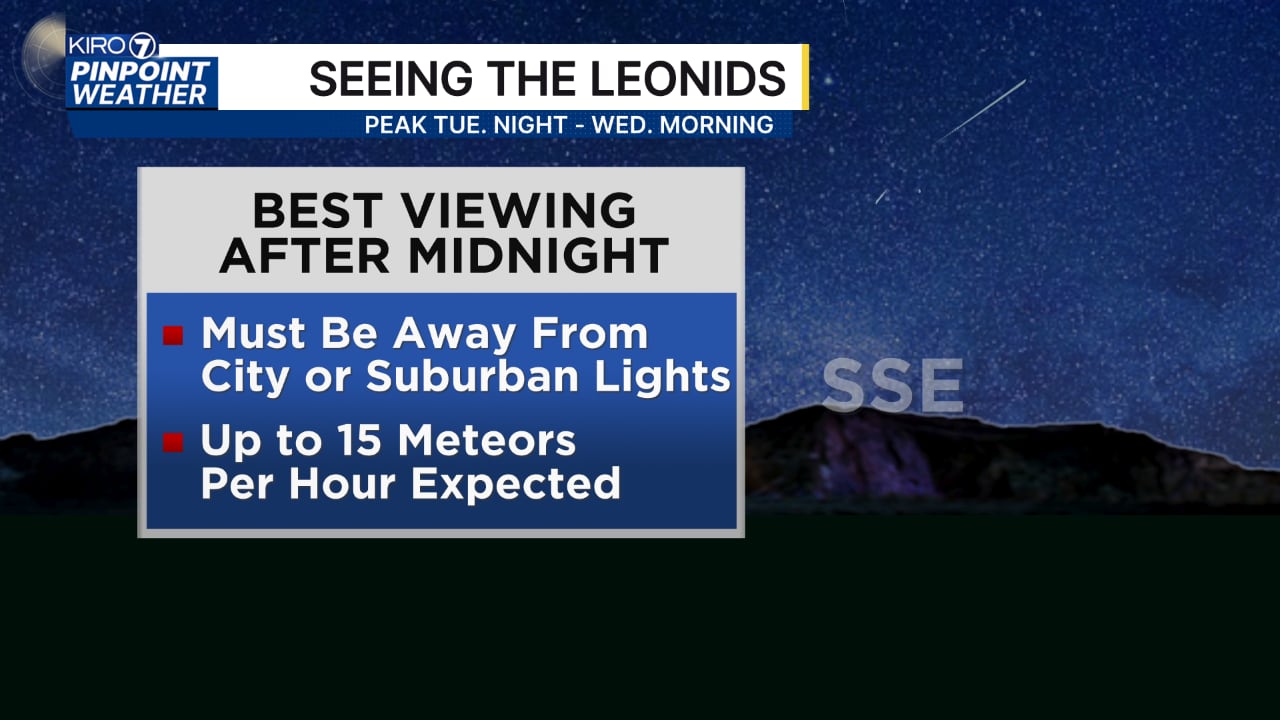
How to Watch the 2026 Leonids Meteor Shower

Known for bright, fast meteors with long tails, the Leonids come around every November. Covered by 8 outlets: 2 lean left, 3 are centre, 3 are not rated.

Lean: Left Fact-focusedFactuality: Very highCountry: United StatesFunding: PrivateOwner: NY Times Company
+ 4 · Full coverage
Coverage breakdown
Funding
Corporate62%
Not recorded25%
Private12%
Countries
United States100%
Media ownership
Google News12%
NY Times Company12%
Nexstar Media Group12%
Future US12%
WGN-TV12%
Avg reliability76
Low-credibility share0%
Fact / opinion9/0
State media0%
More analysis
Truth score: 77 (Corroborated) Propaganda risk: 0 Trending: Low Sources: 8 Reliability: 76 Bias severity: 0 Risk: 0Sentiment: -11Sensationalism: 0 Amplification: 0

How we score

Like
Left 25%25%Centre 50%50%Right 25%25%
The Globe and MailCenter

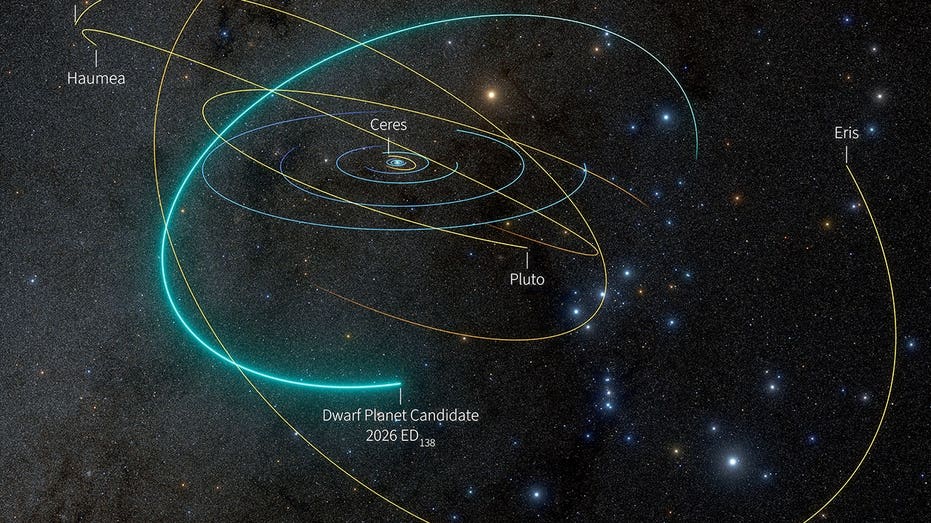
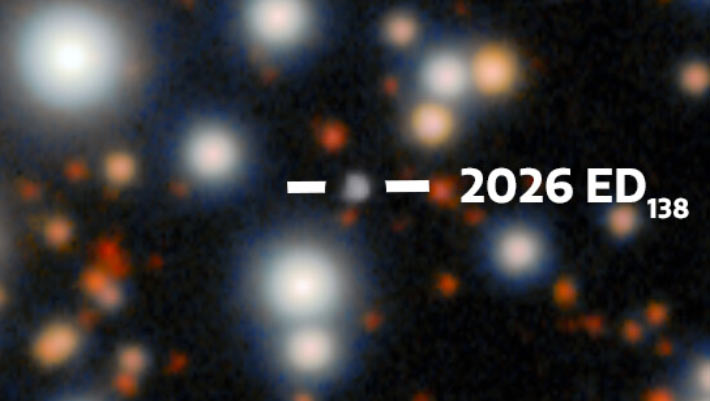
Telescope spots possible new dwarf planet orbiting beyond Pluto

Lying beyond Pluto, 2026 ED138 could be as large as 1,500 kilometers in diameter. The Vera C. Covered by 9 outlets: 2 lean left, 4 are centre, 1 lean right, 2 are not rated.

Lean: Center Fact-focusedFactuality: HighCountry: CanadaFunding: CorporateOwner: Woodbridge Company
+ 7 · Full coverage
Coverage breakdown
Funding
Corporate82%
State-funded9%
Not recorded9%
Countries
United States82%
Canada9%
Russia9%
Media ownership
Independent27%
Woodbridge Company9%
Condé Nast9%
Russian Government9%
Future US9%
Avg reliability67
Low-credibility share12%
Fact / opinion12/0
State media9%
More analysis
Truth score: 81 (Strongly corroborated) Propaganda risk: 0 Trending: Low Sources: 11 Reliability: 67 Bias severity: 0 Risk: 12Sentiment: -8Sensationalism: 2 Amplification: 0

How we score

Like
Left 20%20%Centre 80%80%
WIREDLeans left

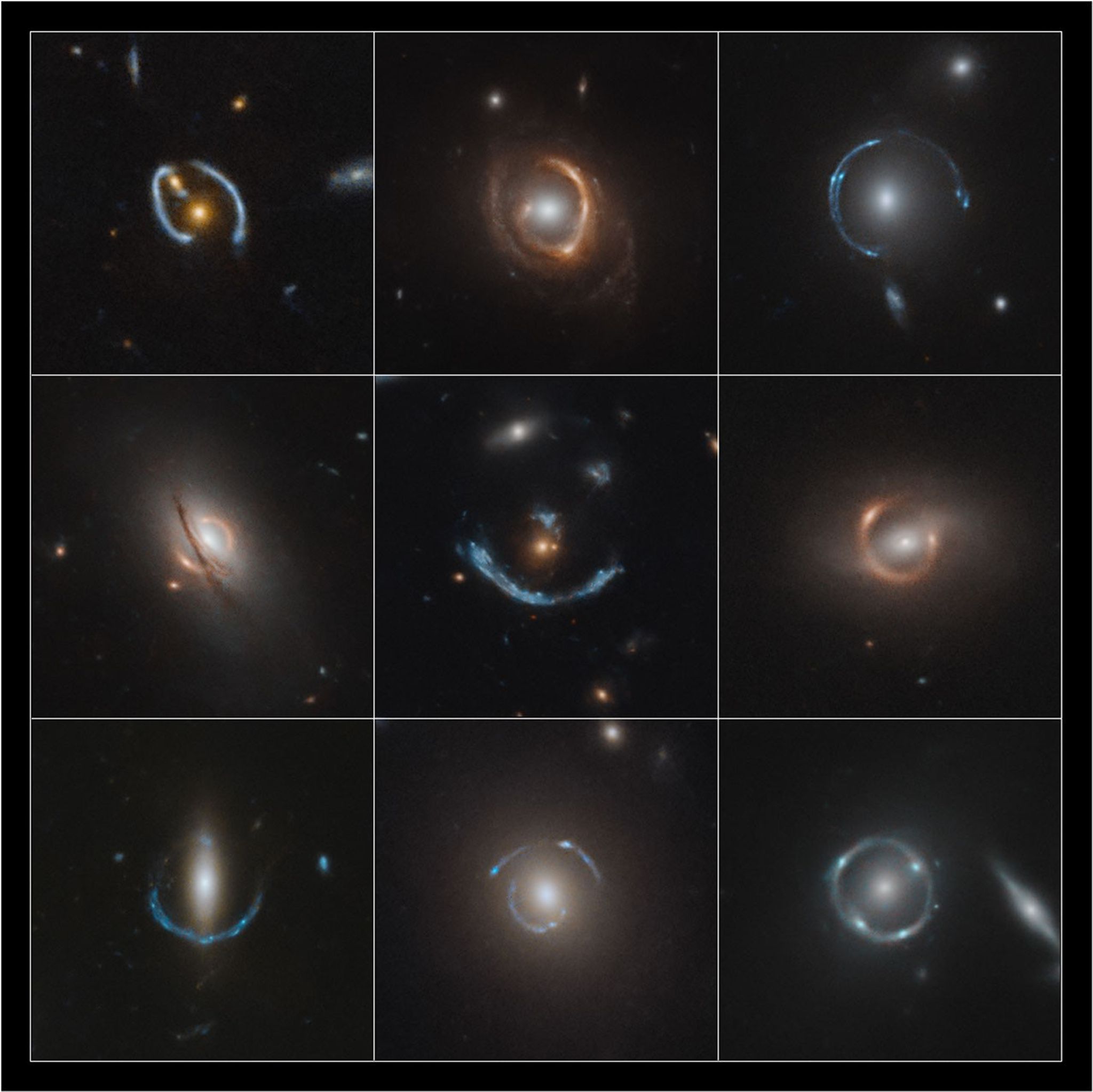
The Hubble Space Telescope Is Sinking. NASA Is Looking for Ways to Keep It Afloat

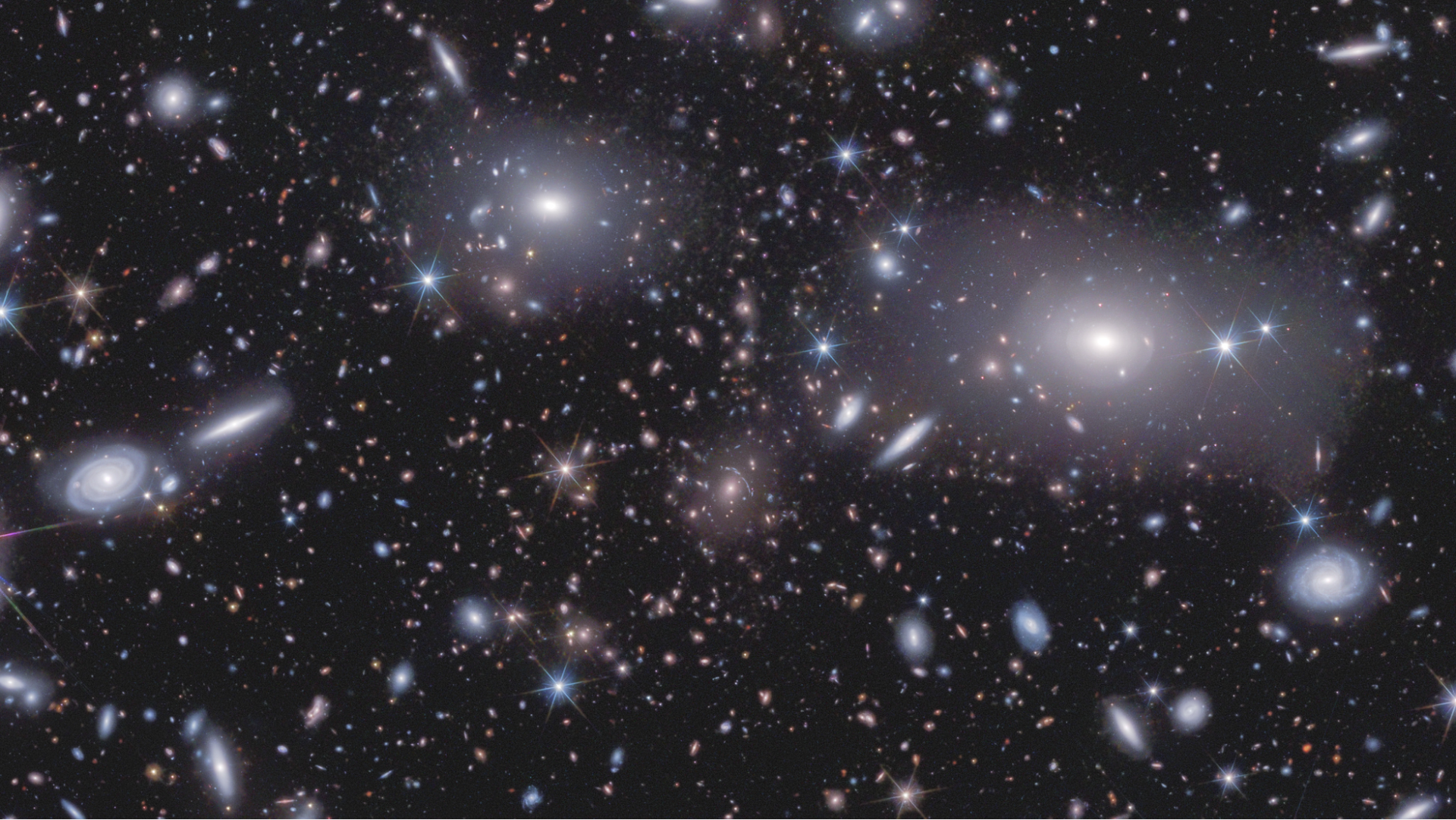
With Hubble expected to reenter the atmosphere by 2034 and several malfunctions on board, NASA is asking commercial space companies for proposals on how to extend the telescope’s lifespan. A gallery of gravitational lenses captured by...

Lean: Leans left Fact-focusedFactuality: HighCountry: United StatesFunding: CorporateOwner: Condé Nast
+ 1 · Full coverage
Coverage breakdown
Funding
Corporate100%
Countries
United States80%
India20%
Media ownership
Independent60%
Future US20%
Condé Nast20%
Avg reliability70
Low-credibility share0%
Fact / opinion6/0
State media0%
More analysis
Truth score: 68 (Corroborated) Propaganda risk: 0 Trending: Low Sources: 5 Reliability: 70 Bias severity: 0 Risk: 0Sentiment: 0Sensationalism: 1 Amplification: 0

How we score

Like
Science
1 source

Who is covering this

PhysCenter
Truth score 38
Centre 100%100%
PhysCenter

Subaru Telescope reveals the shape and temperature of Comet Encke's nucleus

Mid-infrared observations with the Subaru Telescope have revealed the shape and surface temperature of the nucleus of Comet 2P/Encke. By analyzing how the nucleus's thermal emission changed as it rotated, the researchers found that the...

Lean: Center Fact-focusedFactuality: Mostly factualCountry: United StatesFunding: CorporateOwner: Independent
Full coverage
Coverage breakdown
Funding
Corporate100%
Countries
United States100%
Media ownership
Independent100%
Avg reliability65
Low-credibility share0%
Fact / opinion1/0
State media0%
More analysis
Truth score: 38 (Weakly supported) Propaganda risk: 0 Trending: Low Sources: 1 Reliability: 65 Bias severity: 0 Risk: 0Sentiment: 0Sensationalism: 0 Amplification: 0

How we score

Like
Centre 100%100%
Breaking Science NewsNo political lean

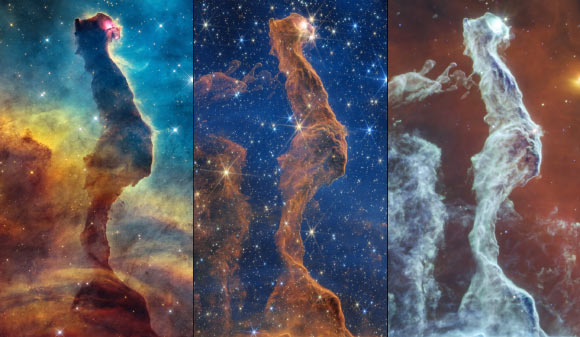
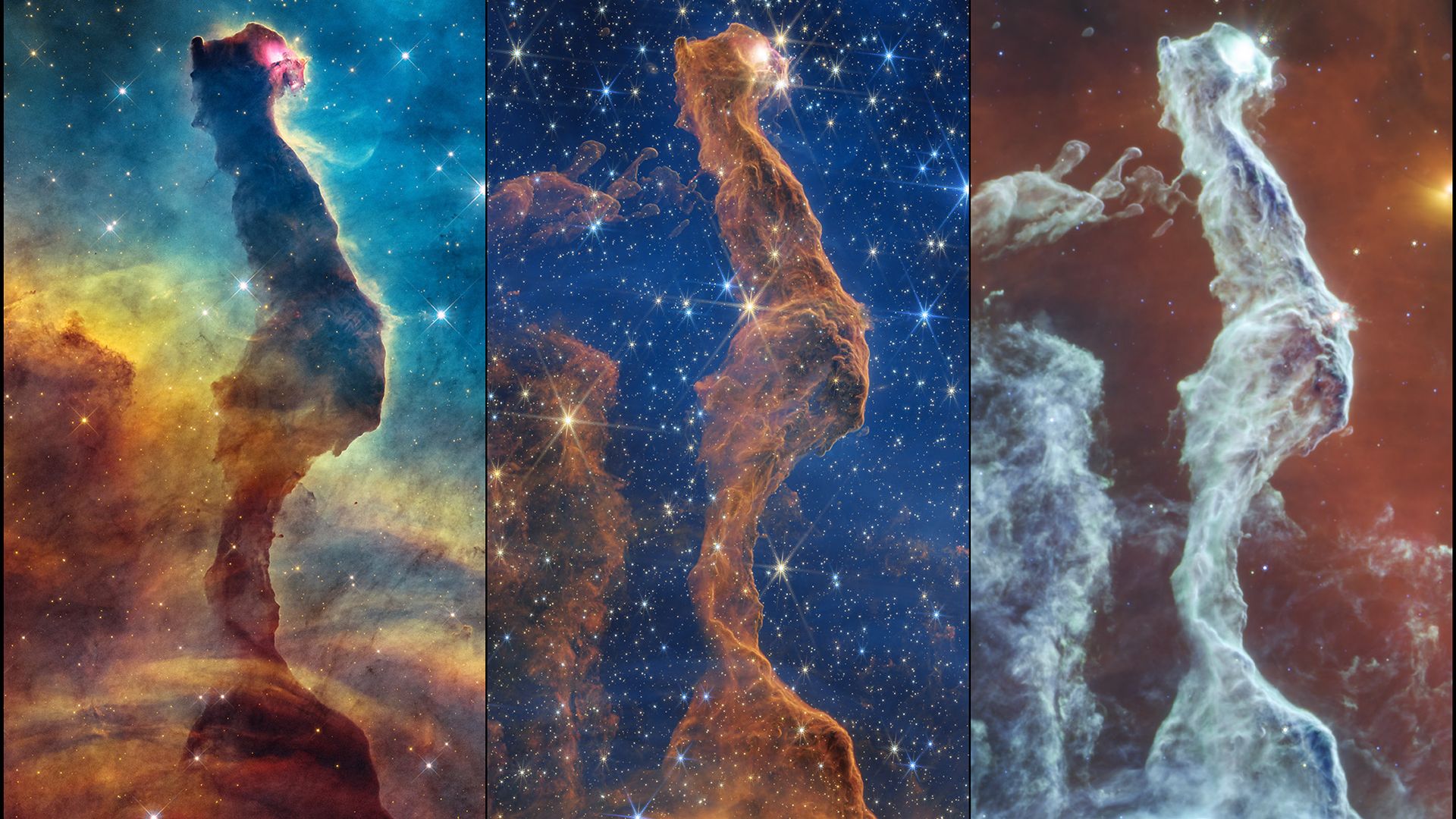
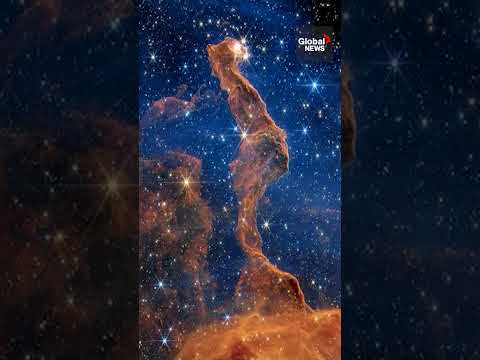
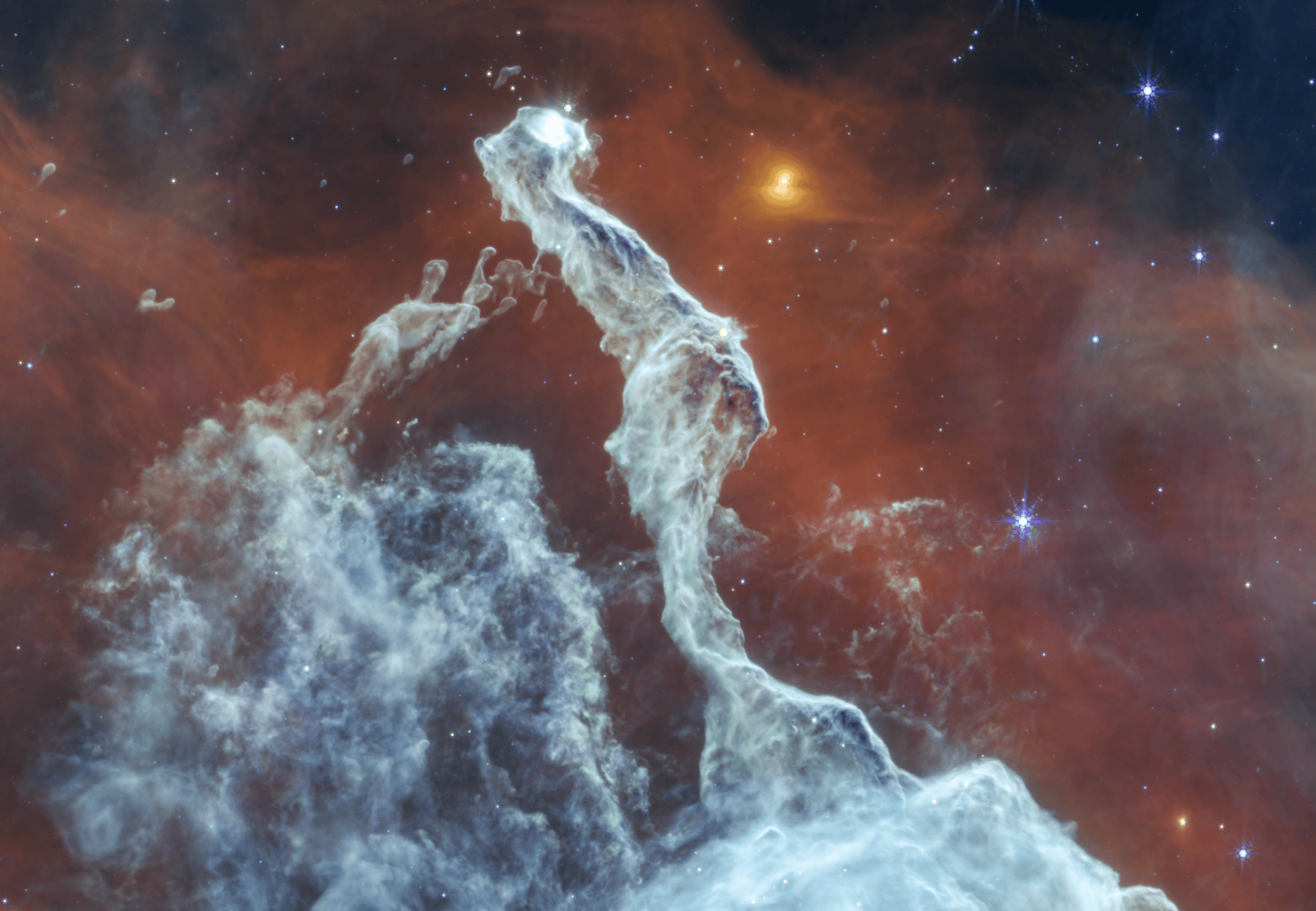
Hubble and Webb Telescopes Zoom in on Cat’s Head Nebula

The NASA/ESA Hubble Space Telescope and the NASA/ESA/CSA James Webb Space Telescope have turned their cameras on an eerie pillar of gas and dust with a glowing red ‘eye,’ probably a young star still wrapped in its cocoon.

Lean: No political lean Fact-focusedCountry: United StatesFunding: CorporateOwner: Independent
+ 1 · Full coverage
Coverage breakdown
Funding
Corporate100%
Countries
India50%
United States50%
Media ownership
Independent100%
Avg reliability65
Low-credibility share0%
Fact / opinion3/0
State media0%
More analysis
Truth score: 48 (Limited corroboration) Propaganda risk: 0 Trending: Low Sources: 2 Reliability: 65 Bias severity: 0 Risk: 0Sentiment: 0Sensationalism: 5 Amplification: 0

How we score

Like
Science
3 sources
Truth score 56
Centre 100%100%
The EconomistCenter

Astronomers are mystified by little red dots in the sky

So far, observations by instruments including the James Webb Space Telescope have revealed the presence of surprisingly massive black holes in the early universe. Covered by 3 outlets: 3 are centre.

Lean: Center Fact-focusedFactuality: Very highCountry: United KingdomFunding: PrivateOwner: Economist Group
  • Phys Webb Space Telescope's little red dots could hold key to first black holes

    Johns Hopkins researchers searching the expanse of the universe for the existence of the first black holes are zeroing in on little red dots that may hold the key to the theoretical phenomenon.

    Lean: Center Fact-focusedFactuality: Mostly factualCountry: United StatesFunding: CorporateOwner: Independent
  • News Astronomers are mystified by little red dots in the sky - The Economist

    Astronomers are mystified by little red dots in the sky The Economist Webb Space Telescope's little red dots could hold key to first black holes Johns Hopkins University Could primordial black holes hold the key to...

    Lean: Center Fact-focusedFactuality: Mostly factualCountry: IndiaFunding: CorporateOwner: Independent
+ 1 · Full coverage
Coverage breakdown
Funding
Corporate67%
Private33%
Countries
United States33%
United Kingdom33%
India33%
Media ownership
Independent67%
Economist Group33%
Avg reliability73
Low-credibility share0%
Fact / opinion4/0
State media0%
More analysis
Truth score: 56 (Limited corroboration) Propaganda risk: 0 Trending: Low Sources: 3 Reliability: 73 Bias severity: 0 Risk: 0Sentiment: 0Sensationalism: 0 Amplification: 0

How we score

Like
Left 17%17%Centre 83%83%
The GuardianLeft

European survey reveals 900m galaxies – and possibly secrets of ‘dark universe’

Unprecedented view of cosmos provided by Euclid mission throws up many more cases of gravitational lensing A mission to create the largest ever 3D map of the universe has revealed more than 900m galaxies in its first major data release...

Lean: Left Fact-focusedFactuality: Very highCountry: United KingdomFunding: Nonprofit trustOwner: Scott Trust
+ 3 · Full coverage
Coverage breakdown
Funding
Corporate67%
Public broadcaster17%
Nonprofit trust17%
Countries
United States50%
United Kingdom33%
Australia17%
Media ownership
Thomson Reuters17%
Scott Trust17%
Independent17%
Future US17%
Google News17%
Avg reliability80
Low-credibility share0%
Fact / opinion8/0
State media0%
More analysis
Truth score: 74 (Corroborated) Propaganda risk: 0 Trending: Low Sources: 6 Reliability: 80 Bias severity: 0 Risk: 0Sentiment: 12Sensationalism: 1 Amplification: 0

How we score

Like
Science
1 source

Who is covering this

Ars TechnicaLeans left
Truth score 43
Left 100%100%
Ars TechnicaLeans left

James Webb telescope finds ice older than the star it orbits

Radiation and collisions reshape the planetary building materials.

Lean: Leans left Fact-focusedFactuality: HighCountry: United StatesFunding: CorporateOwner: Condé Nast
Full coverage
Coverage breakdown
Funding
Corporate100%
Countries
United States100%
Media ownership
Condé Nast100%
Avg reliability80
Low-credibility share0%
Fact / opinion1/0
State media0%
More analysis
Truth score: 43 (Limited corroboration) Propaganda risk: 0 Trending: Low Sources: 1 Reliability: 80 Bias severity: 0 Risk: 0Sentiment: 0Sensationalism: 0 Amplification: 0

How we score

Like
Science
1 source

Who is covering this

LiveCenter
Truth score 41
Centre 100%100%
LiveCenter

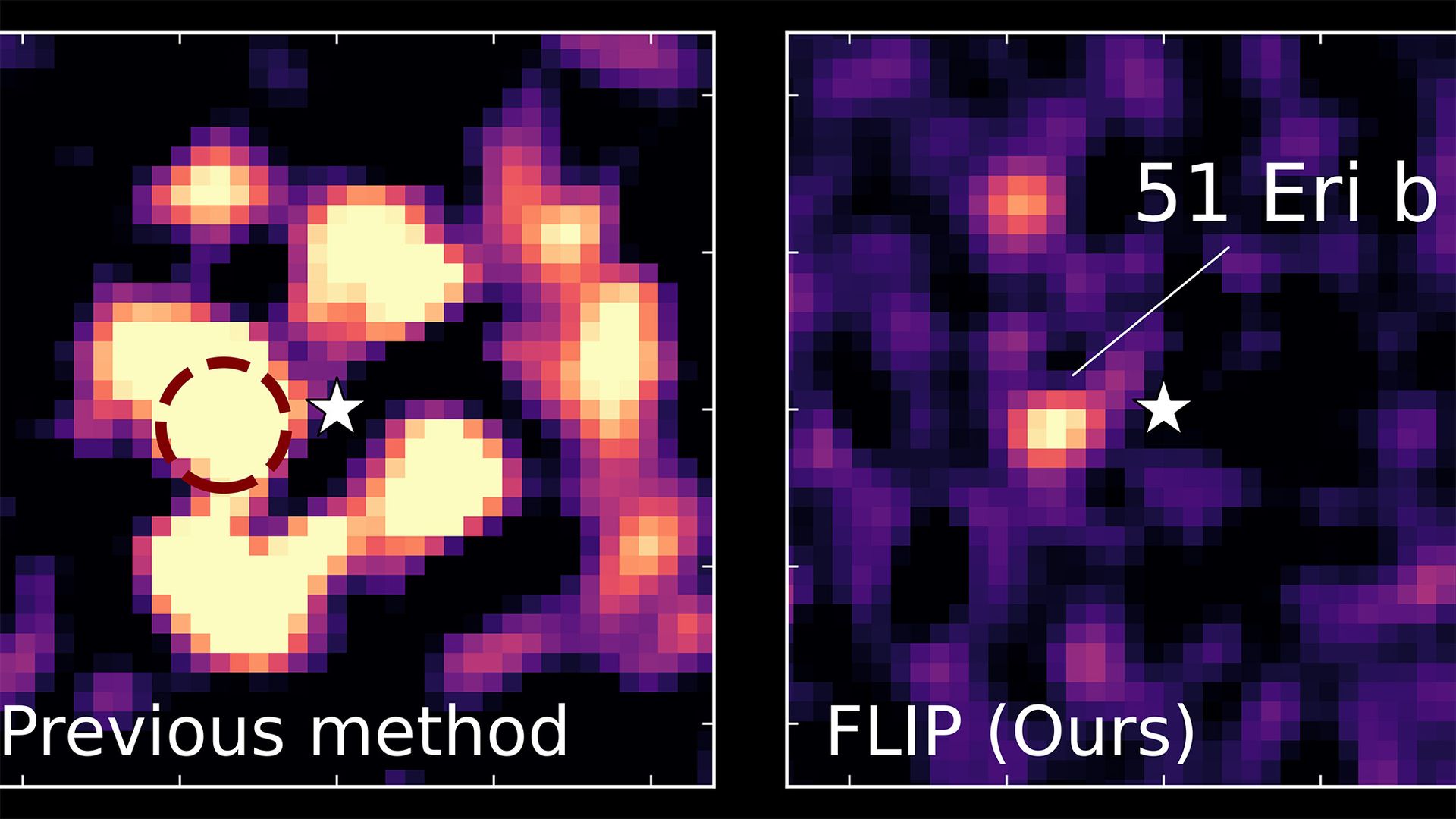
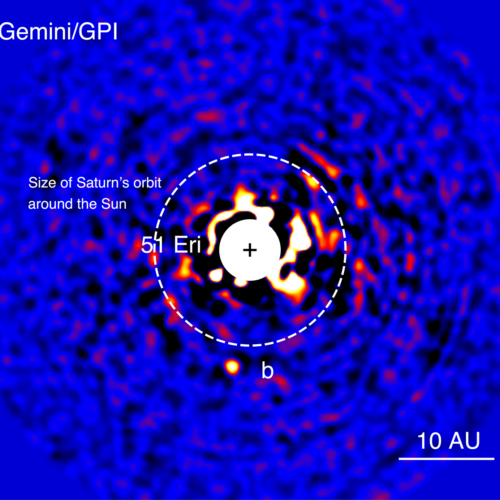
Scientists removed the glare from a James Webb telescope image — and unmasked a hidden planet

Using machine learning, astronomers developed a new way of looking at James Webb telescope data that allows far-off planets to emerge from their star's glare.

Lean: Center Fact-focusedFactuality: HighCountry: United StatesFunding: CorporateOwner: Future US
Full coverage
Coverage breakdown
Funding
Corporate100%
Countries
United States100%
Media ownership
Future US100%
Avg reliability75
Low-credibility share0%
Fact / opinion1/0
State media0%
More analysis
Truth score: 41 (Limited corroboration) Propaganda risk: 0 Trending: Low Sources: 1 Reliability: 75 Bias severity: 0 Risk: 0Sentiment: 0Sensationalism: 0 Amplification: 0

How we score

Like
Science
1 source

Who is covering this

LiveCenter
Truth score 41
Centre 100%100%
LiveCenter

Physicists sank a telescope 1.5 miles under the sea to put Einstein's relativity to the test

A half-built neutrino telescope on the floor of the Mediterranean Sea searched for cracks in one of physics' most basic invariances. It came up empty, but its limits rival those of detectors many times its size.

Lean: Center Fact-focusedFactuality: HighCountry: United StatesFunding: CorporateOwner: Future US
Full coverage
Coverage breakdown
Funding
Corporate100%
Countries
United States100%
Media ownership
Future US100%
Avg reliability75
Low-credibility share0%
Fact / opinion1/0
State media0%
More analysis
Truth score: 41 (Limited corroboration) Propaganda risk: 0 Trending: Low Sources: 1 Reliability: 75 Bias severity: 0 Risk: 0Sentiment: 0Sensationalism: 0 Amplification: 0

How we score

Like
Science
1 source

Who is covering this

LiveCenter
Truth score 41
Centre 100%100%
LiveCenter

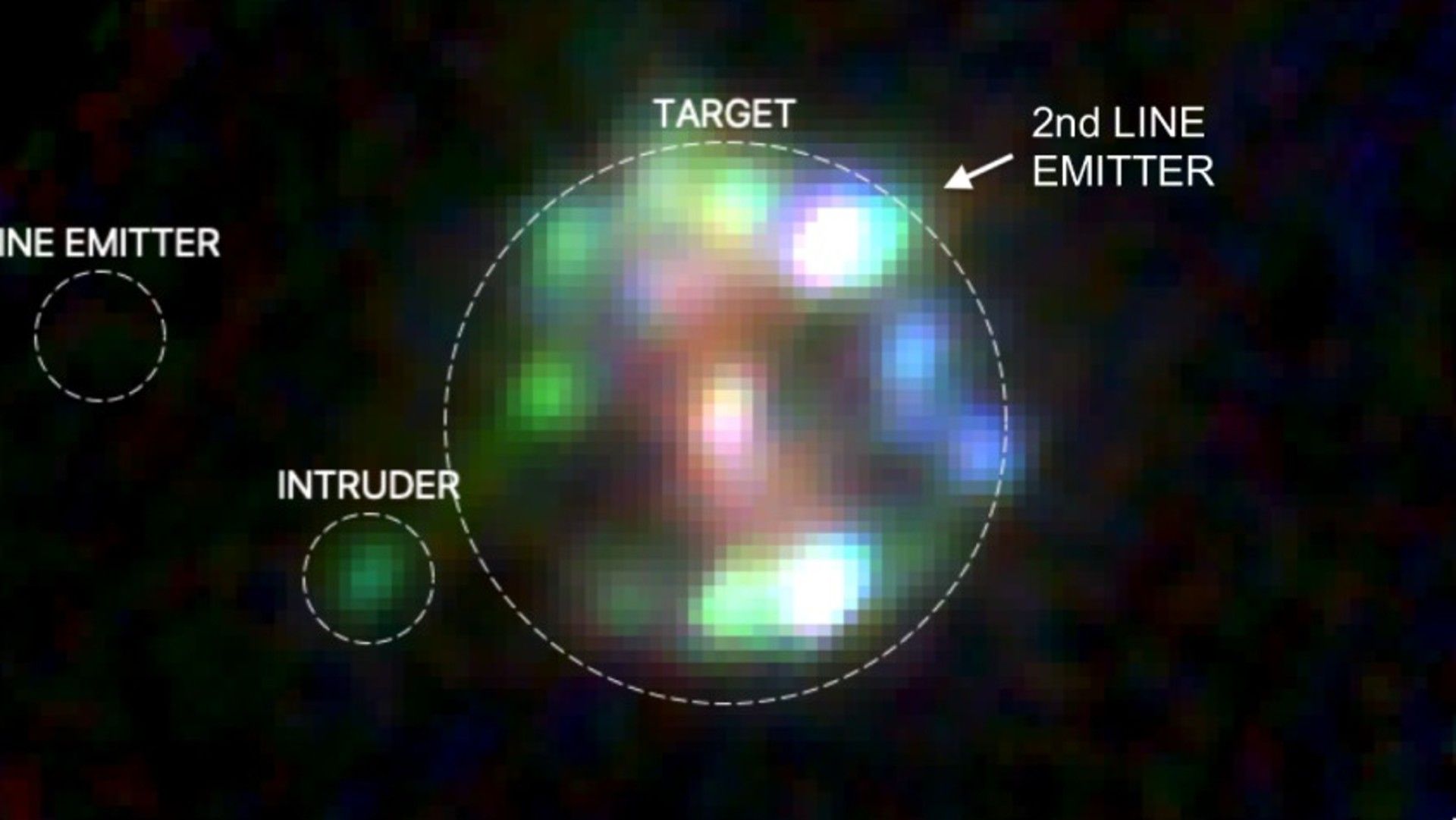
James Webb telescope discovers rare ring galaxy and 'intruder' 2 billion years after the Big Bang

Astronomers using the James Webb Space Telescope have observed a galaxy with a ring of newborn stars as it appeared 2.1 billion years after the Big Bang — hinting that the early universe may have been more chaotic than once thought.

Lean: Center Fact-focusedFactuality: HighCountry: United StatesFunding: CorporateOwner: Future US
Full coverage
Coverage breakdown
Funding
Corporate100%
Countries
United States100%
Media ownership
Future US100%
Avg reliability75
Low-credibility share0%
Fact / opinion1/0
State media0%
More analysis
Truth score: 41 (Limited corroboration) Propaganda risk: 0 Trending: Low Sources: 1 Reliability: 75 Bias severity: 0 Risk: 0Sentiment: 0Sensationalism: 0 Amplification: 0

How we score

Like
Science
1 source

Who is covering this

PhysCenter
Truth score 38
Centre 100%100%
PhysCenter

The ELT can probe ultra-diffuse galaxies and their dark matter mysteries

We've been waiting a long time for the Extremely Large Telescope's first light, scheduled for March 2029. Telescopes this large, powerful and costly always have multiple science goals, and that's true for the ELT. One of its science...

Lean: Center Fact-focusedFactuality: Mostly factualCountry: United StatesFunding: CorporateOwner: Independent
Full coverage
Coverage breakdown
Funding
Corporate100%
Countries
United States100%
Media ownership
Independent100%
Avg reliability65
Low-credibility share0%
Fact / opinion1/0
State media0%
More analysis
Truth score: 38 (Weakly supported) Propaganda risk: 0 Trending: Low Sources: 1 Reliability: 65 Bias severity: 0 Risk: 0Sentiment: 0Sensationalism: 0 Amplification: 0

How we score

Like
Science
1 source

Who is covering this

PhysCenter
Truth score 38
Centre 100%100%
PhysCenter

A cosmic magnifying glass could reveal the same supernova two more times in roughly 70 years

Thanks to the gravitational lensing caused by a massive galaxy cluster and high-resolution images from the James Webb Space Telescope (JWST), astronomers discovered an exploding star when the universe was 4.9 billion years old. The...

Lean: Center Fact-focusedFactuality: Mostly factualCountry: United StatesFunding: CorporateOwner: Independent
Full coverage
Coverage breakdown
Funding
Corporate100%
Countries
United States100%
Media ownership
Independent100%
Avg reliability65
Low-credibility share0%
Fact / opinion1/0
State media0%
More analysis
Truth score: 38 (Weakly supported) Propaganda risk: 0 Trending: Low Sources: 1 Reliability: 65 Bias severity: 0 Risk: 0Sentiment: 0Sensationalism: 0 Amplification: 0

How we score

Like
Science
1 source

Who is covering this

PhysCenter
Truth score 38
Centre 100%100%
PhysCenter

JWST tracks more than 100 magnified stellar events in the Dragon galaxy

Using the James Webb Space Telescope (JWST), a team of astronomers identified 104 magnified stellar events in a galaxy known as the Dragon, located around 6.5 billion light-years away. This discovery more than doubles the previous...

Lean: Center Fact-focusedFactuality: Mostly factualCountry: United StatesFunding: CorporateOwner: Independent
Full coverage
Coverage breakdown
Funding
Corporate100%
Countries
United States100%
Media ownership
Independent100%
Avg reliability65
Low-credibility share0%
Fact / opinion1/0
State media0%
More analysis
Truth score: 38 (Weakly supported) Propaganda risk: 0 Trending: Low Sources: 1 Reliability: 65 Bias severity: 0 Risk: 0Sentiment: 0Sensationalism: 8 Amplification: 0

How we score

Like
Science
1 source

Who is covering this

PhysCenter
Truth score 38
Centre 100%100%
PhysCenter

A likely supermassive neutron star might shed light on the mass gap between neutron stars and black holes

A team of astronomers recently identified a red giant star with an unseen binary companion after examining data from the Large Sky Area MultiObject Fiber Spectroscopic Telescope (LAMOST) and the Apache Point Observatory Galactic...

Lean: Center Fact-focusedFactuality: Mostly factualCountry: United StatesFunding: CorporateOwner: Independent
Full coverage
Coverage breakdown
Funding
Corporate100%
Countries
United States100%
Media ownership
Independent100%
Avg reliability65
Low-credibility share0%
Fact / opinion1/0
State media0%
More analysis
Truth score: 38 (Weakly supported) Propaganda risk: 0 Trending: Low Sources: 1 Reliability: 65 Bias severity: 0 Risk: 0Sentiment: 0Sensationalism: 0 Amplification: 0

How we score

Like
Science
1 source

Who is covering this

PhysCenter
Truth score 38
Centre 100%100%
PhysCenter

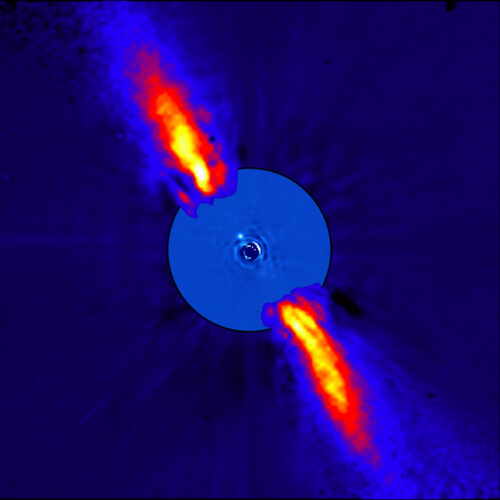
Dirty ice around young star Beta Pictoris suggests frequent collisions and sheds light on the system's formation

In a recent study of infrared light collected by the James Webb Space Telescope (JWST), a group of astronomers detected ice for the first time around the young star Beta Pictoris. Researchers had expected ice around Beta Pictoris, but...

Lean: Center Fact-focusedFactuality: Mostly factualCountry: United StatesFunding: CorporateOwner: Independent
Full coverage
Coverage breakdown
Funding
Corporate100%
Countries
United States100%
Media ownership
Independent100%
Avg reliability65
Low-credibility share0%
Fact / opinion1/0
State media0%
More analysis
Truth score: 38 (Weakly supported) Propaganda risk: 0 Trending: Low Sources: 1 Reliability: 65 Bias severity: 0 Risk: 0Sentiment: 0Sensationalism: 0 Amplification: 0

How we score

Like
Science
1 source

Who is covering this

Google NewsCenter
Truth score 41
Centre 100%100%
Google NewsCenter

What's that bright 'star' in the early morning sky? It's not a star at all!

What's that bright 'star' in the early morning sky? It's not a star at all! Space This Week's Sky at a Glance, November 6 – 15 Sky & Telescope Starwatch: Catch the striking trifecta of Venus, the moon and Spica at break of dawn The...

Lean: Center Fact-focusedFactuality: HighCountry: United StatesFunding: Corporate
Full coverage
Coverage breakdown
Funding
Corporate100%
Countries
United States100%
Media ownership
Google News100%
Avg reliability75
Low-credibility share0%
Fact / opinion1/0
State media0%
More analysis
Truth score: 41 (Limited corroboration) Propaganda risk: 0 Trending: Low Sources: 1 Reliability: 75 Bias severity: 0 Risk: 0Sentiment: 0Sensationalism: 10 Amplification: 0

How we score

Like
Left 29%29%Centre 56%56%Right 15%15%
PBS NewsHourLeans left

A NASA space telescope plunged back to Earth after a mission that lasted 11 times longer than planned

The Swift Observatory's demise came less than three months after a long-shot rescue mission failed. The Swift Observatory is barely clinging to space after a failed rescue effort left it tottering lower and lower. Covered by 41 outlets:...

Lean: Leans left Fact-focusedFactuality: Very highCountry: United StatesFunding: Public broadcasterOwner: PBS (Nonprofit)
+ 81 · Full coverage
Coverage breakdown
Funding
Corporate67%
Private16%
Public broadcaster7%
Not recorded7%
Nonprofit2%
Countries
United States64%
United Kingdom11%
India9%
Canada7%
Australia2%
Media ownership
Independent52%
BuzzFeed Inc.4%
Google News4%
Woodbridge Company4%
The Hindu Group4%
Avg reliability72
Low-credibility share2%
Fact / opinion86/0
State media0%
More analysis
Truth score: 90 (Strongly corroborated) Propaganda risk: 0 Trending: Low Sources: 45 Reliability: 72 Bias severity: 33 Risk: 2Sentiment: -30Sensationalism: 1 Amplification: 0

How we score

Like
Business
1 source

Who is covering this

NewsCenter
Truth score 38
Centre 100%100%
NewsCenter

From Devanahalli to Nasa: Bengaluru girl building telescope to study dust in space

From Devanahalli to Nasa: Bengaluru girl building telescope to study dust in space The Indian Express

Lean: Center Fact-focusedFactuality: Mostly factualCountry: IndiaFunding: CorporateOwner: Independent
Full coverage
Coverage breakdown
Funding
Corporate100%
Countries
India100%
Media ownership
Independent100%
Avg reliability65
Low-credibility share0%
Fact / opinion1/0
State media0%
More analysis
Truth score: 38 (Weakly supported) Propaganda risk: 0 Trending: Low Sources: 1 Reliability: 65 Bias severity: 0 Risk: 0Sentiment: 0Sensationalism: 0 Amplification: 0

How we score

Like
Centre 100%100%
LiveCenter

Hubble and Webb spot something ghostly happening in the Cat's Head Nebula

The Cat's Head Nebula shows its ghostly insides and sinister red eye in rival views from the Hubble and James Webb space telescopes. Like a spectral form rising out of a cold mist, NASA’s Hubble and James Webb Space Telescopes have...

Lean: Center Fact-focusedFactuality: HighCountry: United StatesFunding: CorporateOwner: Future US
+ 1 · Full coverage
Coverage breakdown
Funding
Corporate100%
Countries
United States60%
Canada20%
India20%
Media ownership
Independent60%
Future US20%
Corus Entertainment20%
Avg reliability69
Low-credibility share0%
Fact / opinion6/0
State media0%
More analysis
Truth score: 62 (Corroborated) Propaganda risk: 0 Trending: Low Sources: 5 Reliability: 69 Bias severity: 0 Risk: 0Sentiment: 0Sensationalism: 0 Amplification: 0

How we score

Like
Science
1 source

Who is covering this

The HillCenter
Truth score 42
Centre 100%100%
The HillCenter

NASA telescope reenters Earth’s atmosphere

Experts say a handful of pieces made of denser-than-lead tungsten and some mirror parts could survive reentry.

Lean: Center Fact-focusedFactuality: HighCountry: United StatesFunding: CorporateOwner: Nexstar Media Group
Full coverage
Coverage breakdown
Funding
Corporate100%
Countries
United States100%
Media ownership
Nexstar Media Group100%
Avg reliability78
Low-credibility share0%
Fact / opinion1/0
State media0%
More analysis
Truth score: 42 (Limited corroboration) Propaganda risk: 0 Trending: Low Sources: 1 Reliability: 78 Bias severity: 0 Risk: 0Sentiment: 0Sensationalism: 0 Amplification: 0

How we score

Like
Science
1 source

Who is covering this

PhysCenter
Truth score 38
Centre 100%100%
PhysCenter

Tiny photonic chip links telescopes together to view the universe in 'astonishing' detail

A tiny glass chip developed by researchers at Heriot-Watt University has linked two telescopes together to enable them to act as a single powerful instrument, marking an important step toward a new generation of astronomical technology.

Lean: Center Fact-focusedFactuality: Mostly factualCountry: United StatesFunding: CorporateOwner: Independent
Full coverage
Coverage breakdown
Funding
Corporate100%
Countries
United States100%
Media ownership
Independent100%
Avg reliability65
Low-credibility share0%
Fact / opinion1/0
State media0%
More analysis
Truth score: 38 (Weakly supported) Propaganda risk: 0 Trending: Low Sources: 1 Reliability: 65 Bias severity: 0 Risk: 0Sentiment: 0Sensationalism: 0 Amplification: 0

How we score

Like
Science
1 source

Who is covering this

Ars TechnicaLeans left
Truth score 43
Left 100%100%
Ars TechnicaLeans left

Software squeezes more data out of Webb Telescope for imaging exoplanets

Software optimizes a physical model of the telescope to reduce noise.

Lean: Leans left Fact-focusedFactuality: HighCountry: United StatesFunding: CorporateOwner: Condé Nast
Full coverage
Coverage breakdown
Funding
Corporate100%
Countries
United States100%
Media ownership
Condé Nast100%
Avg reliability80
Low-credibility share0%
Fact / opinion1/0
State media0%
More analysis
Truth score: 43 (Limited corroboration) Propaganda risk: 0 Trending: Low Sources: 1 Reliability: 80 Bias severity: 0 Risk: 0Sentiment: 0Sensationalism: 0 Amplification: 0

How we score

Like
Science
1 source

Who is covering this

NewscientistCenter
Truth score 38
Centre 100%100%
NewscientistCenter

Vast data dump from Euclid space telescope reveals stunning galaxies

In the latest release of images collected by the Euclid space telescope, there are close-ups of distant galaxies where stars are in the process of forming

Lean: Center Fact-focusedFactuality: Mostly factualCountry: United StatesFunding: CorporateOwner: Independent
Full coverage
Coverage breakdown
Funding
Corporate100%
Countries
United States100%
Media ownership
Independent100%
Avg reliability65
Low-credibility share0%
Fact / opinion1/0
State media0%
More analysis
Truth score: 38 (Weakly supported) Propaganda risk: 0 Trending: Low Sources: 1 Reliability: 65 Bias severity: 0 Risk: 0Sentiment: 0Sensationalism: 12 Amplification: 0

How we score

Like
Science
1 source

Who is covering this

PhysCenter
Truth score 38
Centre 100%100%
PhysCenter

NASA's new UV space telescope will launch in 2031

Most of us could spend our entire lives looking at the night sky and see very few changes. The moon becomes more or less illuminated, the planets drift placidly through the sky, satellites and the ISS intrude for a few moments at a...

Lean: Center Fact-focusedFactuality: Mostly factualCountry: United StatesFunding: CorporateOwner: Independent
Full coverage
Coverage breakdown
Funding
Corporate100%
Countries
United States100%
Media ownership
Independent100%
Avg reliability65
Low-credibility share0%
Fact / opinion1/0
State media0%
More analysis
Truth score: 38 (Weakly supported) Propaganda risk: 0 Trending: Low Sources: 1 Reliability: 65 Bias severity: 0 Risk: 0Sentiment: 0Sensationalism: 0 Amplification: 0

How we score

Like
Science
1 source

Who is covering this

NASACenter
Truth score 38
Centre 100%100%
NASACenter

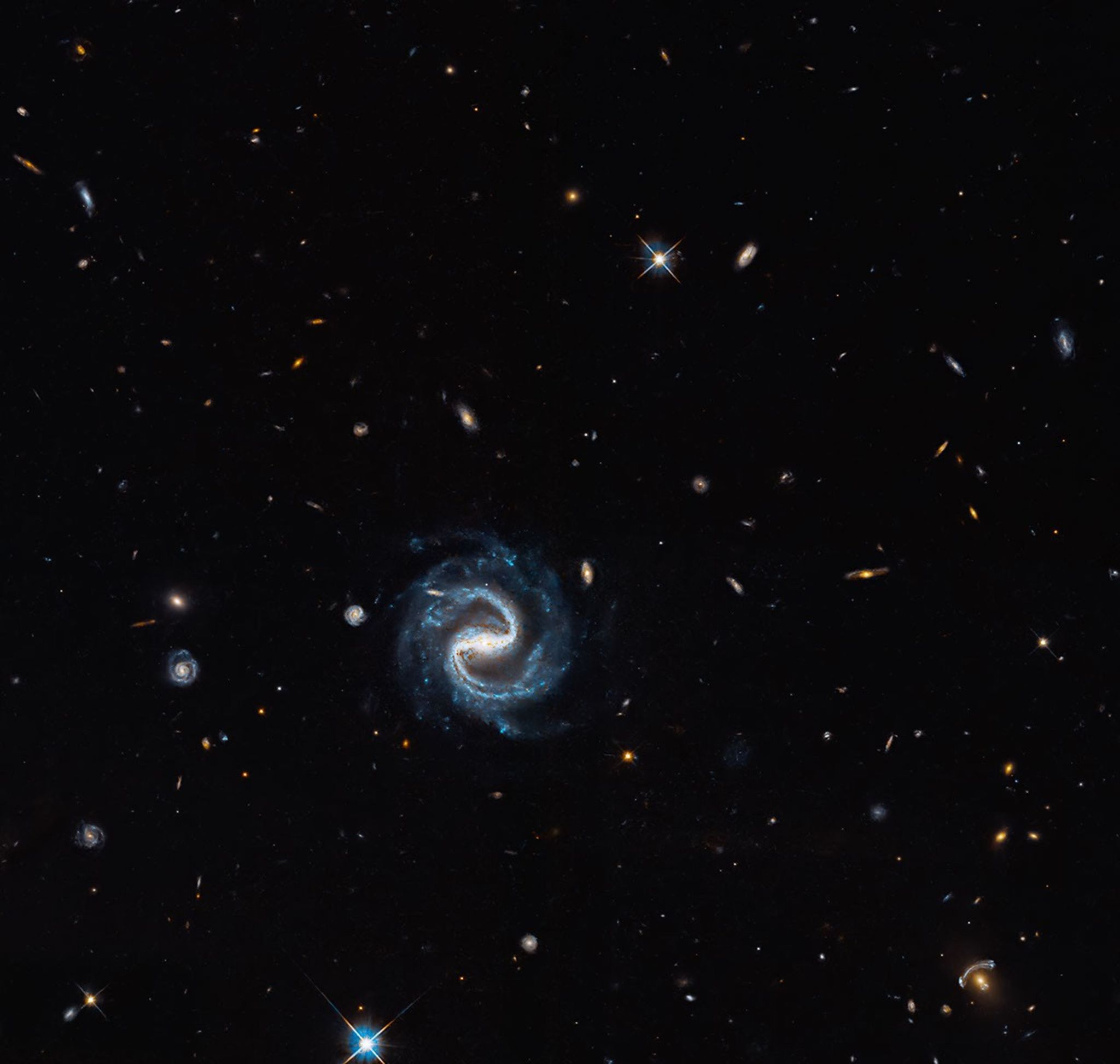
NASA’s Hubble Marks Way for Roman Space Telescope

A sweeping barred galaxy takes center stage in this Oct. 22, 2026, image, but the gravitational lensing at bottom right is the real target. This observation is one of many gravitational lensing images taken by NASA’s Hubble Space...

Lean: Center Fact-focusedFactuality: Mostly factualCountry: United StatesFunding: CorporateOwner: Independent
Full coverage
Coverage breakdown
Funding
Corporate100%
Countries
United States100%
Media ownership
Independent100%
Avg reliability65
Low-credibility share0%
Fact / opinion1/0
State media0%
More analysis
Truth score: 38 (Weakly supported) Propaganda risk: 0 Trending: Low Sources: 1 Reliability: 65 Bias severity: 0 Risk: 0Sentiment: 0Sensationalism: 0 Amplification: 0

How we score

Like
Science
1 source

Who is covering this

NASACenter
Truth score 38
Centre 100%100%
NASACenter

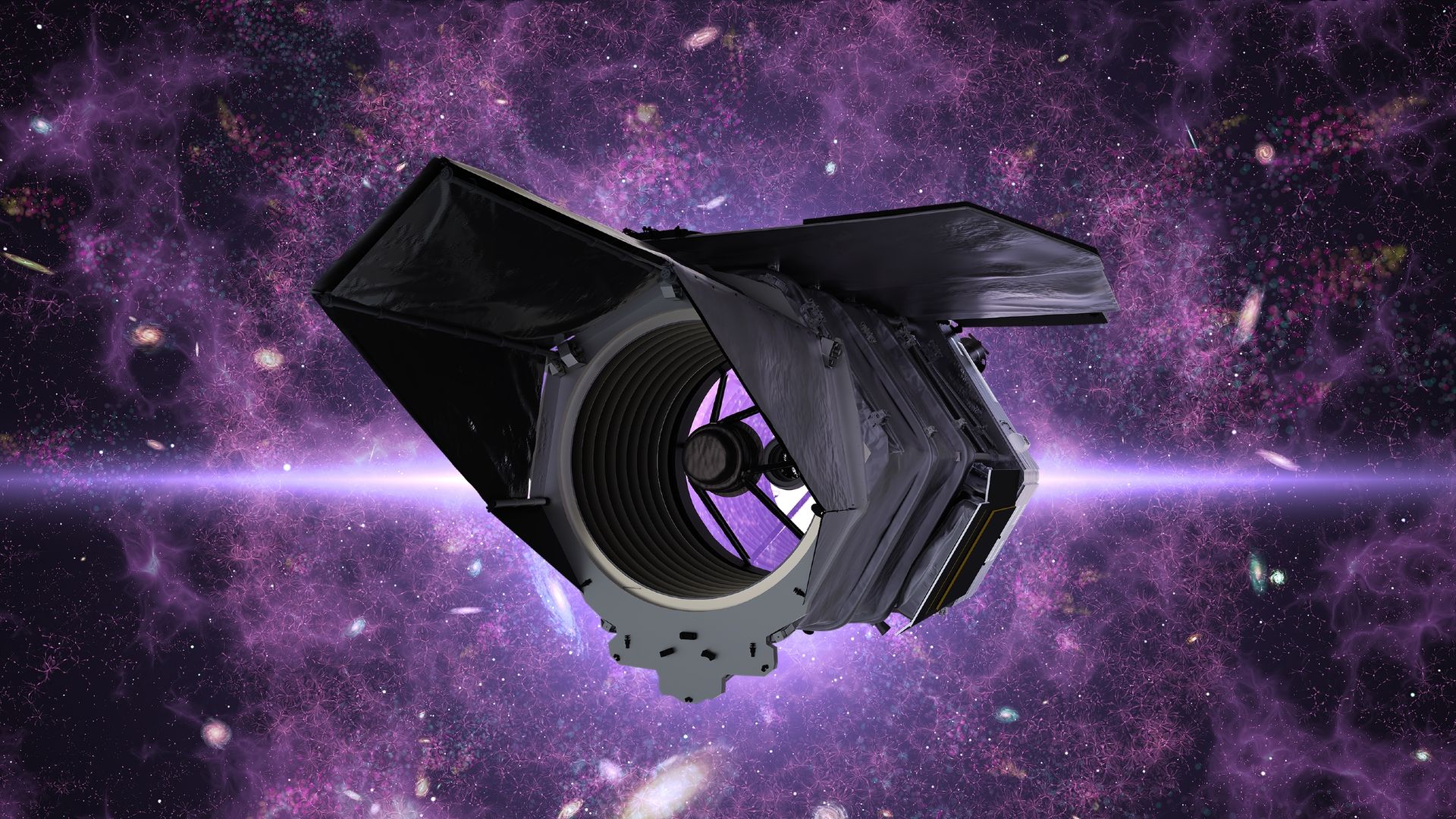
NASA Invites Media, Public to View Roman Telescope’s First Images

NASA will release the first images from its Nancy Grace Roman Space Telescope during a live stream from the American Geophysical Union (AGU) Annual Meeting in San Francisco at 3:30 p.m. EST (12:30 p.m. PST) Monday, Dec. 7. The images...

Lean: Center Fact-focusedFactuality: Mostly factualCountry: United StatesFunding: CorporateOwner: Independent
Full coverage
Coverage breakdown
Funding
Corporate100%
Countries
United States100%
Media ownership
Independent100%
Avg reliability65
Low-credibility share0%
Fact / opinion1/0
State media0%
More analysis
Truth score: 38 (Weakly supported) Propaganda risk: 0 Trending: Low Sources: 1 Reliability: 65 Bias severity: 0 Risk: 0Sentiment: 0Sensationalism: 0 Amplification: 0

How we score

Like
Science
2 sources

Who is covering this

Google NewsCenterPhysCenter
Truth score 50
Centre 100%100%
PhysCenter

Independent technique validates landmark M87* image
The 2019 Event Horizon Telescope (EHT) image was the work of hundreds of scientists and captured the first direct view of a black hole's shadow—becoming one of the most recognized scientific images of the modern era. A team of four from...

Lean: Center Fact-focusedFactuality: Mostly factualCountry: United StatesFunding: CorporateOwner: Independent
  • Google News Iconic first image of black hole holds up to scrutiny - Nature

    Iconic first image of black hole holds up to scrutiny Nature Independent interferometric observable confirms black hole shadow in M87* Nature Independent technique validates landmark M87* image Phys.org Independent...

    Lean: Center Fact-focusedFactuality: HighCountry: United StatesFunding: Corporate
Full coverage
Coverage breakdown
Funding
Corporate100%
Countries
United States100%
Media ownership
Google News50%
Independent50%
Avg reliability70
Low-credibility share0%
Fact / opinion2/0
State media0%
More analysis
Truth score: 50 (Limited corroboration) Propaganda risk: 0 Trending: Low Sources: 2 Reliability: 70 Bias severity: 0 Risk: 0Sentiment: 0Sensationalism: 0 Amplification: 0

How we score

Like
Science
1 source

Who is covering this

PhysCenter
Truth score 38
Centre 100%100%
PhysCenter

Is this iconic black hole image accurate? New study delivers an independent result

On April 10, 2019, the Event Horizon Telescope (EHT) Collaboration revealed the first picture of a black hole. The object is at the center of a galaxy known as M87, about 55 million light-years away.

Lean: Center Fact-focusedFactuality: Mostly factualCountry: United StatesFunding: CorporateOwner: Independent
Full coverage
Coverage breakdown
Funding
Corporate100%
Countries
United States100%
Media ownership
Independent100%
Avg reliability65
Low-credibility share0%
Fact / opinion1/0
State media0%
More analysis
Truth score: 38 (Weakly supported) Propaganda risk: 0 Trending: Low Sources: 1 Reliability: 65 Bias severity: 0 Risk: 0Sentiment: 0Sensationalism: 0 Amplification: 0

How we score

Like
Science
1 source

Who is covering this

NewscientistCenter
Truth score 38
Centre 100%100%
NewscientistCenter

Re-analysis of black hole data proves iconic ring shape really is there

The doughnut shape of the Event Horizon Telescope’s first image of a black hole has come under fire, but an independent check showed that it – and general relativity – still stands

Lean: Center Fact-focusedFactuality: Mostly factualCountry: United StatesFunding: CorporateOwner: Independent
Full coverage
Coverage breakdown
Funding
Corporate100%
Countries
United States100%
Media ownership
Independent100%
Avg reliability65
Low-credibility share0%
Fact / opinion1/0
State media0%
More analysis
Truth score: 38 (Weakly supported) Propaganda risk: 0 Trending: Low Sources: 1 Reliability: 65 Bias severity: 0 Risk: 0Sentiment: -100Sensationalism: 0 Amplification: 0

How we score

Like