INDBInternet News Database 2.5 Updated 2 min ago · 292 sources Show or hide images Light or dark

Results for “Scientists Stumped”

Business
2 sources

Who is covering this

NewsCenterPhysCenter
Truth score 48
Centre 100%100%
PhysCenter

Simulations cast doubt on unusual asteroid's 'dark comet' status

In 2031, Japan's Hayabusa2 spacecraft will arrive at the near-Earth asteroid 1998 KY26: a tiny body that is accelerating in a way that astronomers have struggled to explain. Some studies have suggested that the asteroid is pushed along...

Lean: Center Fact-focusedFactuality: Mostly factualCountry: United StatesFunding: CorporateOwner: Independent
Full coverage
Coverage breakdown
Funding
Corporate100%
Countries
India50%
United States50%
Media ownership
Independent100%
Avg reliability65
Low-credibility share0%
Fact / opinion2/0
State media0%
More analysis
Truth score: 48 (Limited corroboration) Propaganda risk: 0 Trending: Low Sources: 2 Reliability: 65 Bias severity: 0 Risk: 0Sentiment: 0Sensationalism: 4 Amplification: 0

How we score

Like
Left 31%31%Centre 55%55%Right 14%14%
BBC NewsCenter

Scientists predict 2026 hottest year on record as climate talks begin

Scientists are predictng this could be the hottest year on record as the COP31 climate summit opens. Increased heat will supercharge extreme weather events, warns UN agency as Cop31 climate summit begins Heat is accumulating in Earth’s...

Lean: Center Fact-focusedFactuality: Very highCountry: United KingdomFunding: Public broadcasterOwner: BBC (UK Government)
+ 107 · Full coverage
Coverage breakdown
Funding
Corporate55%
Public broadcaster14%
Private14%
Nonprofit7%
State-funded5%
Countries
United States39%
India14%
United Kingdom11%
Canada11%
Australia7%
Media ownership
Independent45%
Scott Trust5%
FRANCE 24 English5%
Axel Springer5%
AP (Cooperative)5%
Avg reliability74
Low-credibility share2%
Fact / opinion112/0
State media4%
More analysis
Truth score: 90 (Strongly corroborated) Propaganda risk: 0 Trending: Low Sources: 44 Reliability: 74 Bias severity: 37 Risk: 2Sentiment: -23Sensationalism: 2 Amplification: 0

How we score

Like
Climate
3 sources
Truth score 631
Left 33%33%Centre 67%67%
Associated PressCenter

Scientists reverse coral bleaching in a lab, offering hope for dying coral reefs

As extreme heat destroys more coral reefs, scientists are racing to find new — and sometimes unexpected — ways to keep them alive. Covered by 3 outlets: 1 lean left, 2 are centre.

Lean: Center VideoFactuality: Very highCountry: United StatesFunding: NonprofitOwner: AP (Cooperative)
  • Phys Baby corals go house-hunting, gaining swimming skills as they grow

    Coral reefs are beautiful and important, both for humans and for marine biodiversity. Corals are living creatures, although they appear to remain fixed in one place, catching small crustaceans and other tasty morsels...

    Lean: Center Fact-focusedFactuality: Mostly factualCountry: United StatesFunding: CorporateOwner: Independent
  • Vox Could this bacteria save coral reefs from the heat?

    As extreme heat destroys more coral reefs, scientists are racing to find new — and sometimes unexpected — ways to keep them alive. Some are trying to encourage corals to reproduce more, while others are testing for...

    Lean: Left Fact-focusedFactuality: HighCountry: United StatesFunding: CorporateOwner: Vox Media
Full coverage
Coverage breakdown
Funding
Corporate67%
Nonprofit33%
Countries
United States100%
Media ownership
Vox Media33%
AP (Cooperative)33%
Independent33%
Avg reliability76
Low-credibility share0%
Fact / opinion3/0
State media0%
More analysis
Truth score: 63 (Corroborated) Propaganda risk: 0 Trending: Low Sources: 3 Reliability: 76 Bias severity: 0 Risk: 0Sentiment: 0Sensationalism: 2 Amplification: 0

How we score

Like
Centre 100%100%
euronews (English)Center

‘Zeptoverse’: CERN scientists uncover evidence of extraordinarily rare particle decay

Scientists at CERN have found evidence of an extraordinarily rare particle decay using the Large Hadron Collider. Physicists with the LHCb Collaboration at CERN’s Large Hadron Collider announced today evidence for an extremely rare...

Lean: Center Fact-focusedFactuality: HighCountry: FranceFunding: CorporateOwner: Alpac Capital
Full coverage
Coverage breakdown
Funding
Corporate100%
Countries
United States67%
France33%
Media ownership
Independent67%
Alpac Capital33%
Avg reliability72
Low-credibility share0%
Fact / opinion3/0
State media0%
More analysis
Truth score: 56 (Limited corroboration) Propaganda risk: 0 Trending: Low Sources: 3 Reliability: 72 Bias severity: 0 Risk: 0Sentiment: 0Sensationalism: 5 Amplification: 0

How we score

Like
World
2 sources
Truth score 57
Left 50%50%Centre 50%50%
Ars TechnicaLeans left

Scientists warn 1.5°C climate change threshold could arrive by 2029

Climate action has stalled for five years as fossil fuel development keeps growing.

Lean: Leans left Fact-focusedFactuality: HighCountry: United StatesFunding: CorporateOwner: Condé Nast
Full coverage
Coverage breakdown
Funding
Corporate100%
Countries
India50%
United States50%
Media ownership
Living Media50%
Condé Nast50%
Avg reliability76
Low-credibility share0%
Fact / opinion2/0
State media0%
More analysis
Truth score: 57 (Limited corroboration) Propaganda risk: 0 Trending: Low Sources: 2 Reliability: 76 Bias severity: 0 Risk: 0Sentiment: 0Sensationalism: 0 Amplification: 0

How we score

Like
Science
2 sources

Who is covering this

IbtimesCenterNew York PostRight
Truth score 52
Centre 50%50%Right 50%50%
New York PostRight

Scientists question what is pushing strange, speeding object through space as new theory grows

Harvard astrophysicist Avi Loeb says the near-earth asteroid's movements closely match a model of Phobos 1, lost in 1988

Lean: Right Fact-focusedFactuality: Mostly factualCountry: United StatesFunding: CorporateOwner: News Corp
Full coverage
Coverage breakdown
Funding
Corporate100%
Countries
United States50%
United Kingdom50%
Media ownership
News Corp50%
Independent50%
Avg reliability62
Low-credibility share0%
Fact / opinion2/0
State media0%
More analysis
Truth score: 52 (Limited corroboration) Propaganda risk: 0 Trending: Low Sources: 2 Reliability: 62 Bias severity: 0 Risk: 0Sentiment: 0Sensationalism: 0 Amplification: 0

How we score

Like
Science
2 sources

Who is covering this

PhysCenterDaily MailCenter
Truth score 47
Centre 100%100%
PhysCenter

Scientists find some of the 'very last wild and healthy ecosystems' in the world's oceans untouched by humans

Humans have left their mark on virtually every place on the planet, from the deep sea to the peaks of the highest mountains. But a few very remote atolls in the Pacific Ocean may be exceptions. A new Frontiers in Marine Science study...

Lean: Center Fact-focusedFactuality: Mostly factualCountry: United StatesFunding: CorporateOwner: Independent
Full coverage
Coverage breakdown
Funding
Corporate100%
Countries
United Kingdom50%
United States50%
Media ownership
DMGT50%
Independent50%
Avg reliability64
Low-credibility share0%
Fact / opinion2/0
State media0%
More analysis
Truth score: 47 (Limited corroboration) Propaganda risk: 0 Trending: Low Sources: 2 Reliability: 64 Bias severity: 0 Risk: 0Sentiment: 0Sensationalism: 0 Amplification: 0

How we score

Like
Science
2 sources

Who is covering this

Bangor DailyLeans leftPhysCenter
Truth score 54
Left 50%50%Centre 50%50%
Bangor DailyLeans left

Scientists discovered an unknown baby right whale off Canada. They say it’s a cause for joy

PORTLAND, Maine (AP) — It would seem difficult to miss a 15,000-pound (6,804-kilogram) baby, but for months scientists who study rare whales did just that, and now they couldn’t be happier. Researchers in Canada captured images of an...

Lean: Leans left Fact-focusedFactuality: HighCountry: United StatesFunding: PrivateOwner: Bangor Publishing Co.
+ 1 · Full coverage
Coverage breakdown
Funding
Private50%
Corporate50%
Countries
United States100%
Media ownership
Bangor Publishing Co.50%
Independent50%
Avg reliability68
Low-credibility share0%
Fact / opinion3/0
State media0%
More analysis
Truth score: 54 (Limited corroboration) Propaganda risk: 0 Trending: Low Sources: 2 Reliability: 68 Bias severity: 0 Risk: 0Sentiment: 0Sensationalism: 0 Amplification: 0

How we score

Like
Science
2 sources

Who is covering this

GizmodoLeans leftPopsciCenter
Truth score 54
Left 50%50%Centre 50%50%
GizmodoLeans left

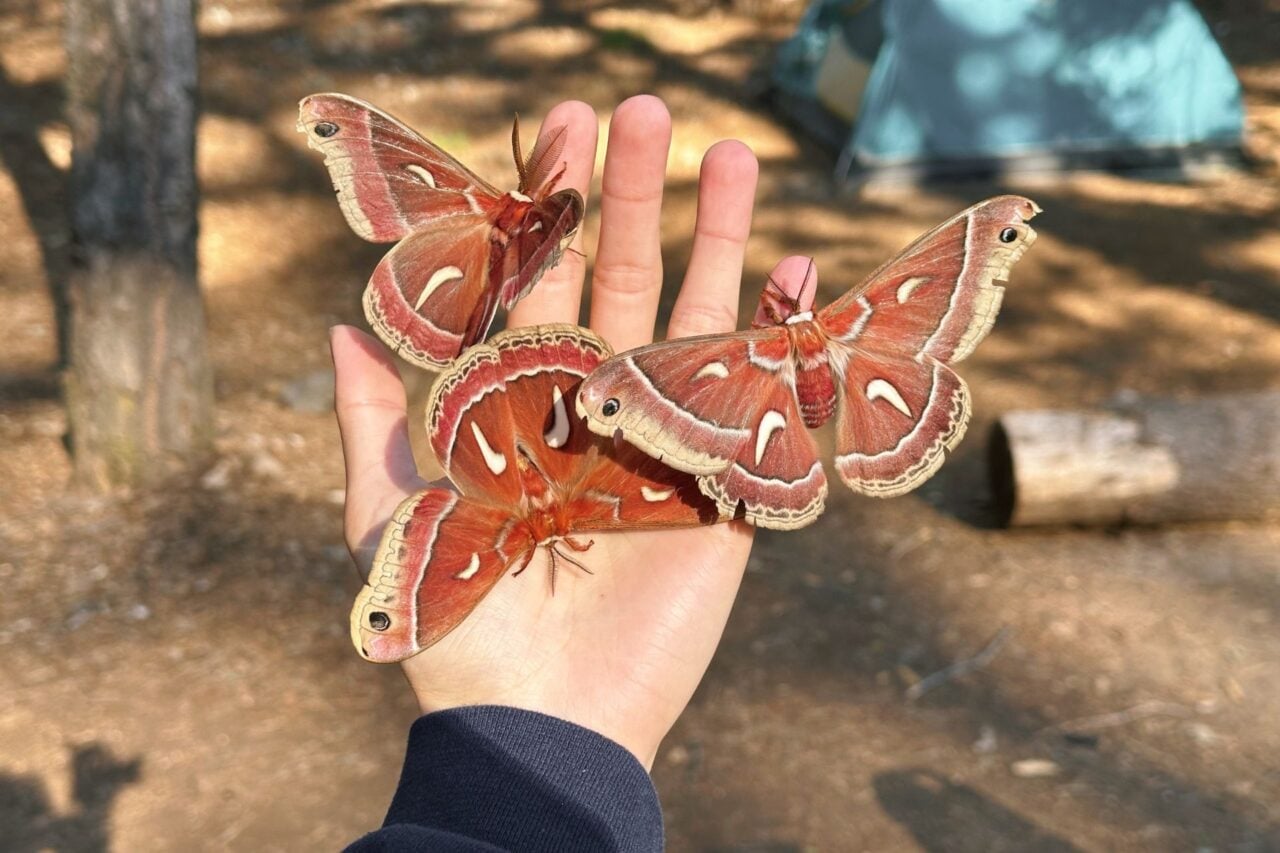
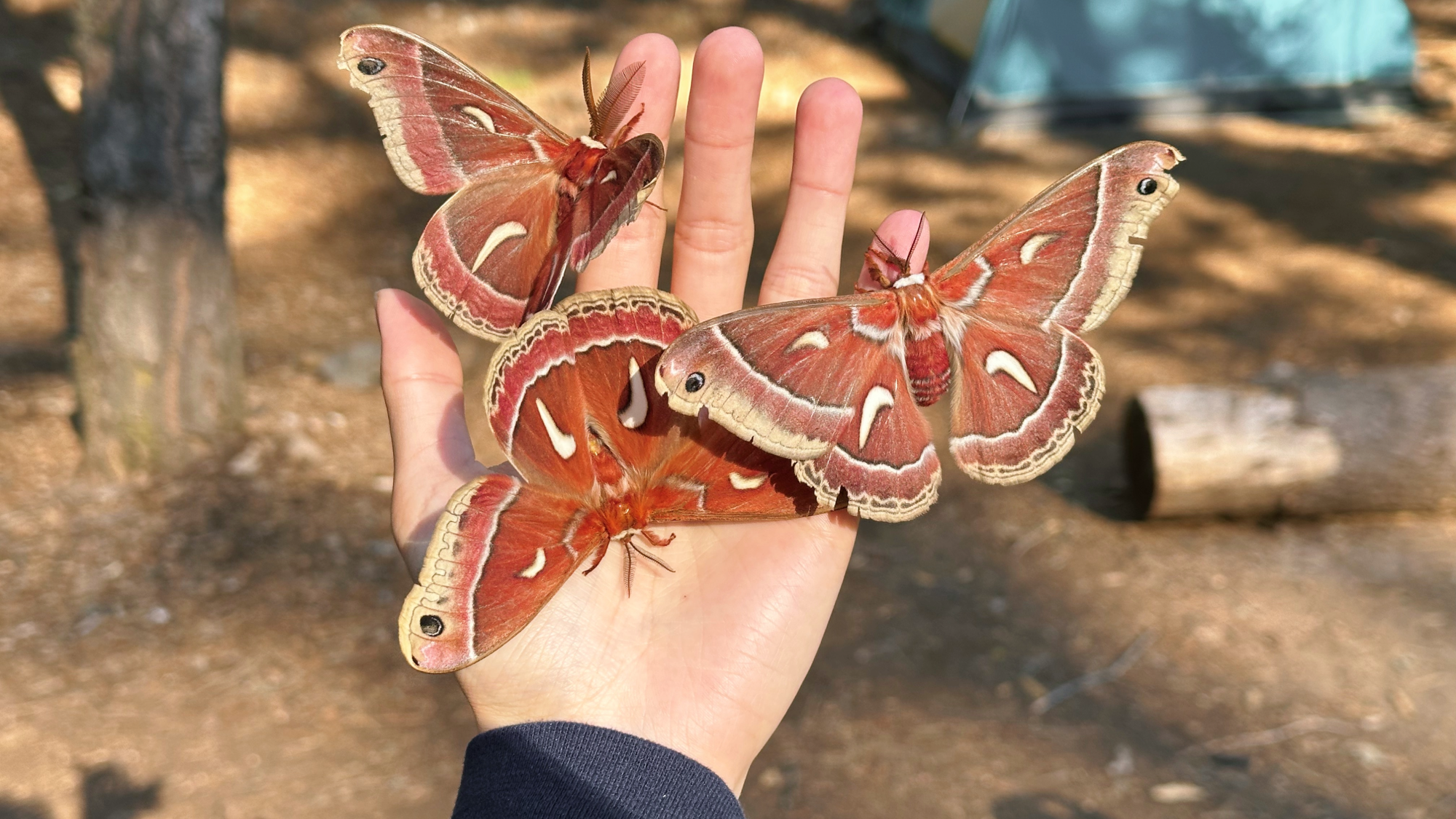
Scientists Thought California Had as Few as 26,000 Insect Species. They Were Way Off

A statewide survey has revealed the true scale of California's insect biodiversity.

Lean: Leans left Fact-focusedFactuality: Mostly factualCountry: United StatesFunding: CorporateOwner: G/O Media
Full coverage
Coverage breakdown
Funding
Corporate100%
Countries
United States100%
Media ownership
Independent50%
G/O Media50%
Avg reliability68
Low-credibility share0%
Fact / opinion2/0
State media0%
More analysis
Truth score: 54 (Limited corroboration) Propaganda risk: 0 Trending: Low Sources: 2 Reliability: 68 Bias severity: 0 Risk: 0Sentiment: 0Sensationalism: 0 Amplification: 0

How we score

Like
Business
2 sources

Who is covering this

The HinduLeans leftNewsCenter
Truth score 55
Left 50%50%Centre 50%50%
The HinduLeans left

Scientists identify how a gut bacterium may trigger colon cancer

A study has uncovered a molecular mechanism through which a common gut bacterium’s toxin attacks colon cells, opening a possible path to protection

Lean: Leans left Fact-focusedFactuality: HighCountry: IndiaFunding: PrivateOwner: The Hindu Group
Full coverage
Coverage breakdown
Funding
Private50%
Corporate50%
Countries
India100%
Media ownership
Independent50%
The Hindu Group50%
Avg reliability72
Low-credibility share0%
Fact / opinion2/0
State media0%
More analysis
Truth score: 55 (Limited corroboration) Propaganda risk: 0 Trending: Low Sources: 2 Reliability: 72 Bias severity: 0 Risk: 0Sentiment: -50Sensationalism: 0 Amplification: 0

How we score

Like
Health
1 source

Who is covering this

GizmodoLeans left
Truth score 40
Left 100%100%
GizmodoLeans left

Scientists Bought 480 Legal Weed Products. Most Labels Were Missing Something

Many cannabis products sold at dispensaries don't even contain expiration dates, researchers in Colorado have found.

Lean: Leans left Fact-focusedFactuality: Mostly factualCountry: United StatesFunding: CorporateOwner: G/O Media
Full coverage
Coverage breakdown
Funding
Corporate100%
Countries
United States100%
Media ownership
G/O Media100%
Avg reliability70
Low-credibility share0%
Fact / opinion1/0
State media0%
More analysis
Truth score: 40 (Limited corroboration) Propaganda risk: 0 Trending: Low Sources: 1 Reliability: 70 Bias severity: 0 Risk: 0Sentiment: 0Sensationalism: 0 Amplification: 0

How we score

Like
Science
1 source

Who is covering this

LiveCenter
Truth score 41
Centre 100%100%
LiveCenter

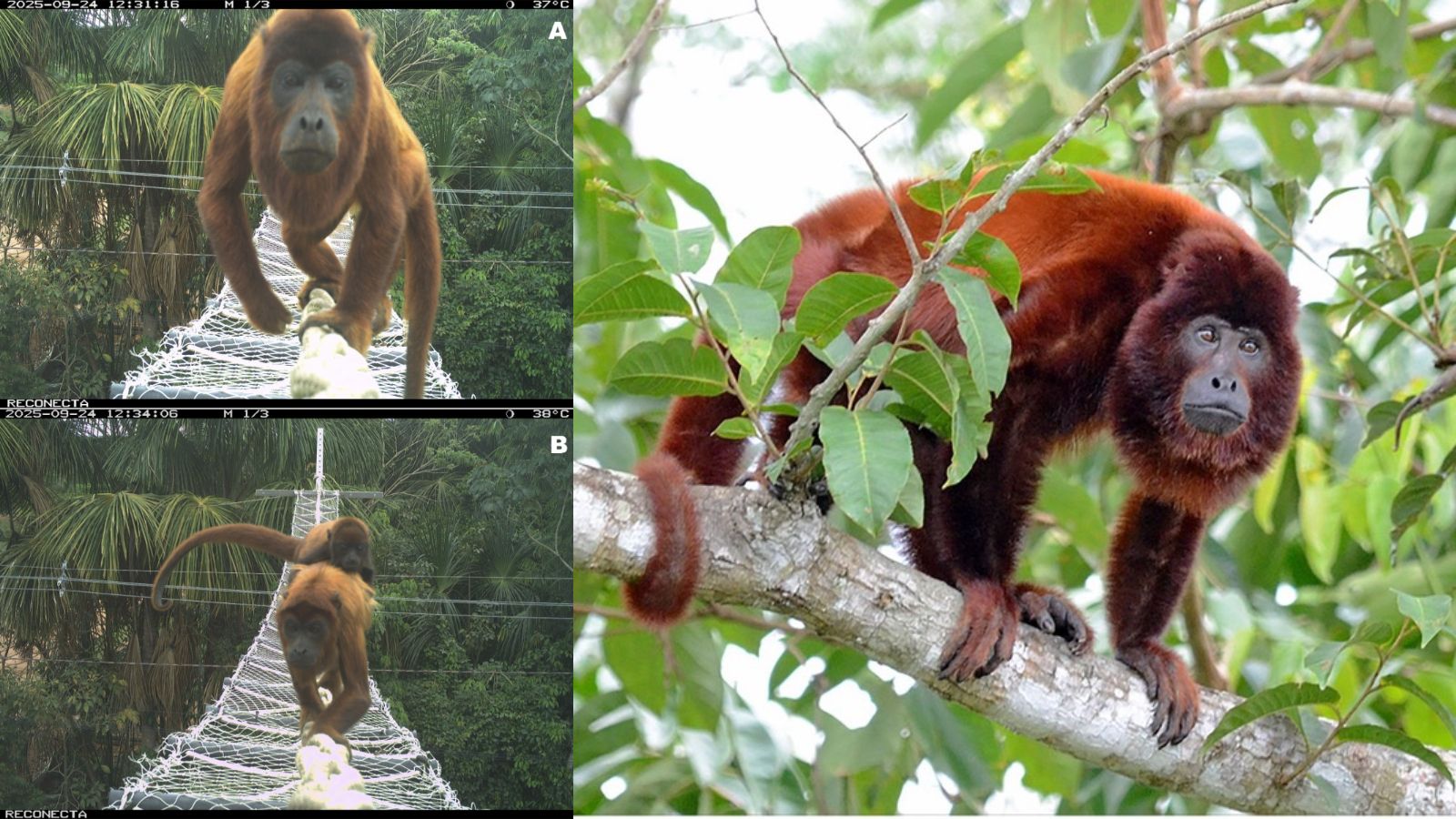
Scientists discover two adorable species of howler monkey in the Amazon — and they're already endangered

A genetic analysis has identified two previously unrecognized species of howler monkey that change these primates' evolutionary tree.

Lean: Center Fact-focusedFactuality: HighCountry: United StatesFunding: CorporateOwner: Future US
Full coverage
Coverage breakdown
Funding
Corporate100%
Countries
United States100%
Media ownership
Future US100%
Avg reliability75
Low-credibility share0%
Fact / opinion1/0
State media0%
More analysis
Truth score: 41 (Limited corroboration) Propaganda risk: 0 Trending: Low Sources: 1 Reliability: 75 Bias severity: 0 Risk: 0Sentiment: 0Sensationalism: 0 Amplification: 0

How we score

Like
Health
1 source

Who is covering this

GizmodoLeans left
Truth score 40
Left 100%100%
GizmodoLeans left

Scientists Figured Out Why We Feel Colder as We Age—and It’s Not What You Think

Our built-in furnace loses some punch over time.

Lean: Leans left Fact-focusedFactuality: Mostly factualCountry: United StatesFunding: CorporateOwner: G/O Media
Full coverage
Coverage breakdown
Funding
Corporate100%
Countries
United States100%
Media ownership
G/O Media100%
Avg reliability70
Low-credibility share0%
Fact / opinion1/0
State media0%
More analysis
Truth score: 40 (Limited corroboration) Propaganda risk: 0 Trending: Low Sources: 1 Reliability: 70 Bias severity: 0 Risk: 0Sentiment: 0Sensationalism: 0 Amplification: 0

How we score

Like
Science
1 source

Who is covering this

PhysCenter
Truth score 38
Centre 100%100%
PhysCenter

Scientists successfully swap all fish products in aquafeed to boost sustainable fish farming

Global fish production and consumption have hit new heights, according to the United Nations. People worldwide are consuming much more fish per capita, and more than 23 million people now work in the aquaculture industry. That booming...

Lean: Center Fact-focusedFactuality: Mostly factualCountry: United StatesFunding: CorporateOwner: Independent
Full coverage
Coverage breakdown
Funding
Corporate100%
Countries
United States100%
Media ownership
Independent100%
Avg reliability65
Low-credibility share0%
Fact / opinion1/0
State media0%
More analysis
Truth score: 38 (Weakly supported) Propaganda risk: 0 Trending: Low Sources: 1 Reliability: 65 Bias severity: 0 Risk: 0Sentiment: 100Sensationalism: 0 Amplification: 0

How we score

Like
Health
1 source

Who is covering this

GizmodoLeans left
Truth score 40
Left 100%100%
GizmodoLeans left

Scientists Have a New Explanation for Why Coffee Makes You Poop

Nutrition researchers in Copenhagen have discovered biochemical changes in the colons of habitual coffee drinkers that may help explain why a morning brew sends many people to the loo.

Lean: Leans left Fact-focusedFactuality: Mostly factualCountry: United StatesFunding: CorporateOwner: G/O Media
Full coverage
Coverage breakdown
Funding
Corporate100%
Countries
United States100%
Media ownership
G/O Media100%
Avg reliability70
Low-credibility share0%
Fact / opinion1/0
State media0%
More analysis
Truth score: 40 (Limited corroboration) Propaganda risk: 0 Trending: Low Sources: 1 Reliability: 70 Bias severity: 0 Risk: 0Sentiment: 0Sensationalism: 0 Amplification: 0

How we score

Like
Science
1 source

Who is covering this

NewsweekCenter
Truth score 40
Centre 100%100%
NewsweekCenter

Scientists Develop Device To Reduce Stress—But Doctors Warn There's a Catch

The "groundbreaking" device aims to reduce stress and help improve your sleep by retraining your nervous system.

Lean: Center Fact-focusedFactuality: Mostly factualCountry: United StatesFunding: PrivateOwner: Newsweek Media Group
Full coverage
Coverage breakdown
Funding
Private100%
Countries
United States100%
Media ownership
Newsweek Media Group100%
Avg reliability70
Low-credibility share0%
Fact / opinion1/0
State media0%
More analysis
Truth score: 40 (Limited corroboration) Propaganda risk: 0 Trending: Low Sources: 1 Reliability: 70 Bias severity: 0 Risk: 0Sentiment: 100Sensationalism: 0 Amplification: 0

How we score

Like
Politics
1 source

Who is covering this

Drudge Report FeedLeans right
Truth score 34
Right 100%100%
Drudge Report FeedLeans right

Scientists want to send 'swarms' of robots to search for life on Mars...

Scientists want to send 'swarms' of robots to search for life on Mars... (Third column, 3rd story, link ) Related stories: SPACEX set to make audacious grab for 'holy grail' of rocketry... Drudge Report Feed needs your support! Become a Patron

Lean: Leans right Fact-focusedCountry: United StatesFunding: CorporateOwner: Independent
+ 1 · Full coverage
Coverage breakdown
Funding
Corporate100%
Countries
United States100%
Media ownership
Independent100%
Avg reliability-
Low-credibility share0%
Fact / opinion2/0
State media0%
More analysis
Truth score: 34 (Weakly supported) Propaganda risk: 0 Trending: Low Sources: 1 Reliability: Not rated Bias severity: 0 Risk: 0Sentiment: 0Sensationalism: 4 Amplification: 0

How we score

Like
Science
1 source

Who is covering this

PhysCenter
Truth score 38
Centre 100%100%
PhysCenter

Scientists uncover how limestone-eating shipworms breed in turbulent water

Researchers from Northeastern University's Ocean Genome Legacy Center (OGL) have taken the next step toward deciphering the life cycle and unusual reproductive strategies of a limestone-eating species of shipworm. The results could...

Lean: Center Fact-focusedFactuality: Mostly factualCountry: United StatesFunding: CorporateOwner: Independent
Full coverage
Coverage breakdown
Funding
Corporate100%
Countries
United States100%
Media ownership
Independent100%
Avg reliability65
Low-credibility share0%
Fact / opinion1/0
State media0%
More analysis
Truth score: 38 (Weakly supported) Propaganda risk: 0 Trending: Low Sources: 1 Reliability: 65 Bias severity: 0 Risk: 0Sentiment: 0Sensationalism: 0 Amplification: 0

How we score

Like
Science
1 source

Who is covering this

NewsweekCenter
Truth score 40
Centre 100%100%
NewsweekCenter

Scientists Recreate 2 Billion Years of the Early Universe

A vast simulation recreates the early universe, allowing scientists to compare its predictions with actual telescope observations.

Lean: Center Fact-focusedFactuality: Mostly factualCountry: United StatesFunding: PrivateOwner: Newsweek Media Group
Full coverage
Coverage breakdown
Funding
Private100%
Countries
United States100%
Media ownership
Newsweek Media Group100%
Avg reliability70
Low-credibility share0%
Fact / opinion1/0
State media0%
More analysis
Truth score: 40 (Limited corroboration) Propaganda risk: 0 Trending: Low Sources: 1 Reliability: 70 Bias severity: 0 Risk: 0Sentiment: 0Sensationalism: 0 Amplification: 0

How we score

Like
Climate
1 source

Who is covering this

VoxLeft
Truth score 40
Left 100%100%
VoxLeft

Scientists were racing to save this rare bird from extinction. Then came the super typhoon.

When the Mariana crow calls, it’s taken as a warning. To the Indigenous CHamoru people of the Mariana Islands, the bird is known as the Åga, an ancestral messenger who alerts the community of impending illness or weather disaster. In...

Lean: Left Fact-focusedFactuality: HighCountry: United StatesFunding: CorporateOwner: Vox Media
Full coverage
Coverage breakdown
Funding
Corporate100%
Countries
United States100%
Media ownership
Vox Media100%
Avg reliability72
Low-credibility share0%
Fact / opinion1/0
State media0%
More analysis
Truth score: 40 (Limited corroboration) Propaganda risk: 0 Trending: Low Sources: 1 Reliability: 72 Bias severity: 0 Risk: 0Sentiment: -100Sensationalism: 0 Amplification: 0

How we score

Like
Science
1 source

Who is covering this

PhysCenter
Truth score 38
Centre 100%100%
PhysCenter

Scientists challenge the dream of bringing extinct species back to life

Could extinction itself become a thing of the past? Advances in biotechnology, including ancient DNA sequencing, genome analysis and gene editing, have led some to believe that it may be possible to bring extinct species back to life.

Lean: Center Fact-focusedFactuality: Mostly factualCountry: United StatesFunding: CorporateOwner: Independent
Full coverage
Coverage breakdown
Funding
Corporate100%
Countries
United States100%
Media ownership
Independent100%
Avg reliability65
Low-credibility share0%
Fact / opinion1/0
State media0%
More analysis
Truth score: 38 (Weakly supported) Propaganda risk: 0 Trending: Low Sources: 1 Reliability: 65 Bias severity: 0 Risk: 0Sentiment: 0Sensationalism: 0 Amplification: 0

How we score

Like
Science
1 source

Who is covering this

GizmodoLeans left
Truth score 40
Left 100%100%
GizmodoLeans left

Scientists Found a Bizarre Glitch in Carbon Dating Human Bones—and It Involves Fish

The findings are a “word of warning” about radiocarbon dating, the team says.

Lean: Leans left Fact-focusedFactuality: Mostly factualCountry: United StatesFunding: CorporateOwner: G/O Media
Full coverage
Coverage breakdown
Funding
Corporate100%
Countries
United States100%
Media ownership
G/O Media100%
Avg reliability70
Low-credibility share0%
Fact / opinion1/0
State media0%
More analysis
Truth score: 40 (Limited corroboration) Propaganda risk: 0 Trending: Low Sources: 1 Reliability: 70 Bias severity: 0 Risk: 0Sentiment: -100Sensationalism: 0 Amplification: 0

How we score

Like
Science
1 source

Who is covering this

TheregisterCenter
Truth score 38
Centre 100%100%
TheregisterCenter

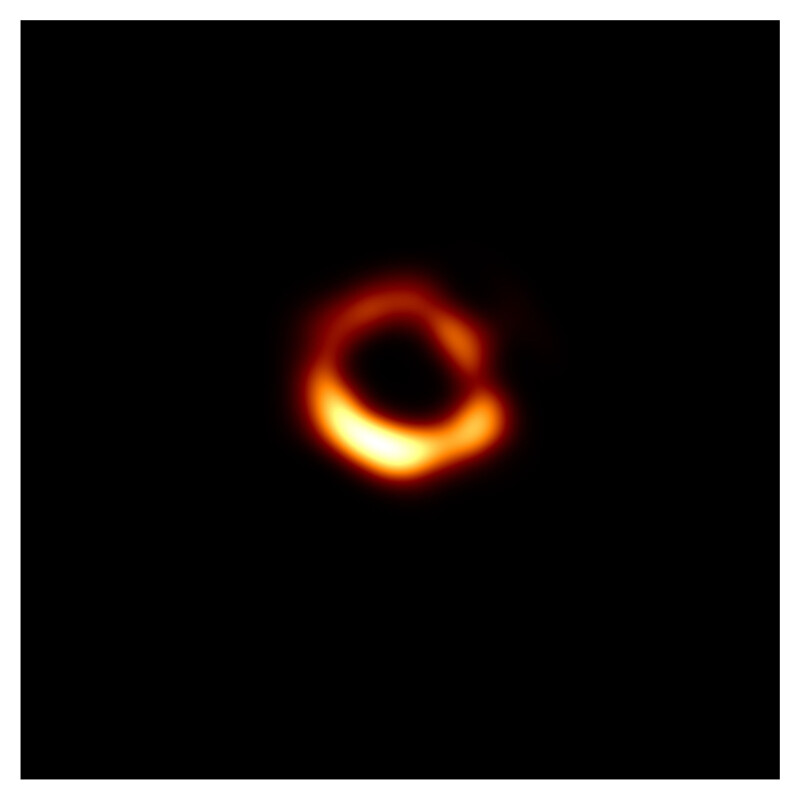
Scientists check their work and confirm it with update on iconic black hole image

And find they were right all along

Lean: Center Fact-focusedFactuality: Mostly factualCountry: United KingdomFunding: CorporateOwner: Independent
Full coverage
Coverage breakdown
Funding
Corporate100%
Countries
United Kingdom100%
Media ownership
Independent100%
Avg reliability65
Low-credibility share0%
Fact / opinion1/0
State media0%
More analysis
Truth score: 38 (Weakly supported) Propaganda risk: 0 Trending: Low Sources: 1 Reliability: 65 Bias severity: 0 Risk: 0Sentiment: 0Sensationalism: 0 Amplification: 0

How we score

Like
Science
1 source

Who is covering this

The Daily BeastLeft
Truth score 38
Left 100%100%
The Daily BeastLeft

Scientists Make Jaw-Dropping Discovery in Remote Pacific

NASA Scientists have discovered two “wild and untouched” coral atolls near the Marshall Islands. The Daily Mail reports that the remote, ring-shaped Pacific reefs—named Bikar and Bokak—could be some of the most pristine ecosystems left...

Lean: Left Fact-focusedFactuality: Mostly factualCountry: United StatesFunding: CorporateOwner: IAC
Full coverage
Coverage breakdown
Funding
Corporate100%
Countries
United States100%
Media ownership
IAC100%
Avg reliability65
Low-credibility share0%
Fact / opinion1/0
State media0%
More analysis
Truth score: 38 (Weakly supported) Propaganda risk: 0 Trending: Low Sources: 1 Reliability: 65 Bias severity: 0 Risk: 0Sentiment: 0Sensationalism: 12 Amplification: 0

How we score

Like
Science
1 source

Who is covering this

PhysCenter
Truth score 38
Centre 100%100%
PhysCenter

Scientists anchor first scientific animal name to a modern-day spider

Scientists led by the Smithsonian's National Museum of Natural History have restored the physical reference of one of the most historically significant names in biology. In a paper published in Taxonomy, researchers designated a new...

Lean: Center Fact-focusedFactuality: Mostly factualCountry: United StatesFunding: CorporateOwner: Independent
Full coverage
Coverage breakdown
Funding
Corporate100%
Countries
United States100%
Media ownership
Independent100%
Avg reliability65
Low-credibility share0%
Fact / opinion1/0
State media0%
More analysis
Truth score: 38 (Weakly supported) Propaganda risk: 0 Trending: Low Sources: 1 Reliability: 65 Bias severity: 0 Risk: 0Sentiment: 0Sensationalism: 0 Amplification: 0

How we score

Like
Science
1 source

Who is covering this

PhysCenter
Truth score 38
Centre 100%100%
PhysCenter

Scientists discover new way to control magnetic waves for future quantum technologies

Researchers at the U.S. Department of Energy's (DOE) Ames National Laboratory have discovered a way to control the handedness of magnons, tiny magnetic waves that can carry information through materials. By changing the material's...

Lean: Center Fact-focusedFactuality: Mostly factualCountry: United StatesFunding: CorporateOwner: Independent
Full coverage
Coverage breakdown
Funding
Corporate100%
Countries
United States100%
Media ownership
Independent100%
Avg reliability65
Low-credibility share0%
Fact / opinion1/0
State media0%
More analysis
Truth score: 38 (Weakly supported) Propaganda risk: 0 Trending: Low Sources: 1 Reliability: 65 Bias severity: 0 Risk: 0Sentiment: 0Sensationalism: 0 Amplification: 0

How we score

Like
Science
1 source

Who is covering this

GizmodoLeans left
Truth score 40
Left 100%100%
GizmodoLeans left

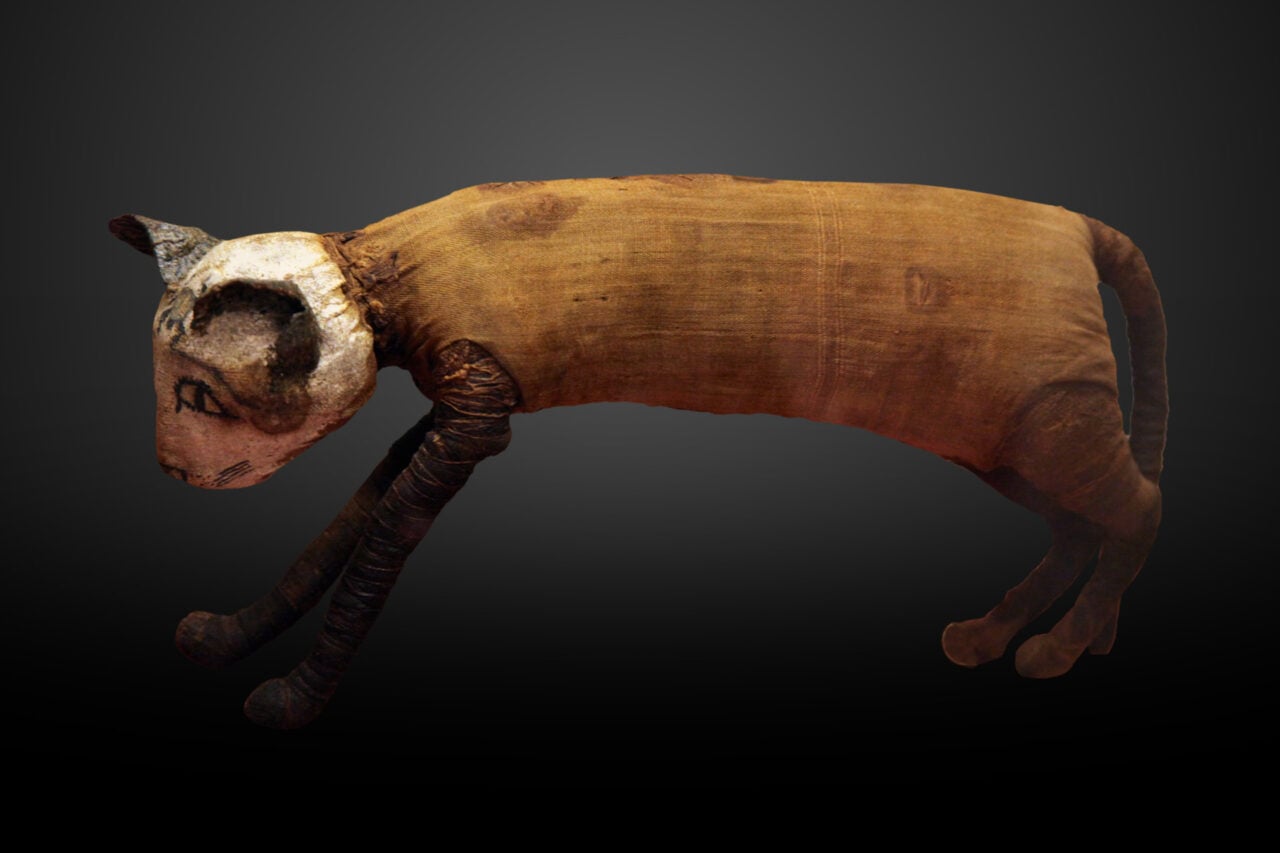
Scientists Expected Egypt’s Sacred Cats to Have Lived Pampered Lives. Their Skulls Say Otherwise

The cats turned up with missing teeth, signs of gum disease, and various injuries.

Lean: Leans left Fact-focusedFactuality: Mostly factualCountry: United StatesFunding: CorporateOwner: G/O Media
Full coverage
Coverage breakdown
Funding
Corporate100%
Countries
United States100%
Media ownership
G/O Media100%
Avg reliability70
Low-credibility share0%
Fact / opinion1/0
State media0%
More analysis
Truth score: 40 (Limited corroboration) Propaganda risk: 0 Trending: Low Sources: 1 Reliability: 70 Bias severity: 0 Risk: 0Sentiment: 0Sensationalism: 0 Amplification: 0

How we score

Like
Science
1 source

Who is covering this

GizmodoLeans left
Truth score 40
Left 100%100%
GizmodoLeans left

Scientists Found 8,000 Frog Bones at a Roman-Era Site in Britain—and They Finally Know Why

Sorry, no ancient frog cults.

Lean: Leans left Fact-focusedFactuality: Mostly factualCountry: United StatesFunding: CorporateOwner: G/O Media
Full coverage
Coverage breakdown
Funding
Corporate100%
Countries
United States100%
Media ownership
G/O Media100%
Avg reliability70
Low-credibility share0%
Fact / opinion1/0
State media0%
More analysis
Truth score: 40 (Limited corroboration) Propaganda risk: 0 Trending: Low Sources: 1 Reliability: 70 Bias severity: 0 Risk: 0Sentiment: 0Sensationalism: 0 Amplification: 0

How we score

Like
Science
1 source

Who is covering this

PhysCenter
Truth score 38
Centre 100%100%
PhysCenter

Scientists release large-scale in situ cryo-ET resource for mouse sperm ultrastructure

The scale, quality and regional coverage of public cryo-electron tomography (cryo-ET) data resources have been insufficient, severely limiting data reuse, cross-regional comparisons and the development of automated analysis methods. A...

Lean: Center Fact-focusedFactuality: Mostly factualCountry: United StatesFunding: CorporateOwner: Independent
Full coverage
Coverage breakdown
Funding
Corporate100%
Countries
United States100%
Media ownership
Independent100%
Avg reliability65
Low-credibility share0%
Fact / opinion1/0
State media0%
More analysis
Truth score: 38 (Weakly supported) Propaganda risk: 0 Trending: Low Sources: 1 Reliability: 65 Bias severity: 0 Risk: 0Sentiment: 0Sensationalism: 0 Amplification: 0

How we score

Like
Politics
1 source

Who is covering this

The New York TimesLeft
Truth score 46
Left 100%100%
The New York TimesLeft

Scientists Sue to Block Trump Administration Changes at National Science Foundation

Researchers say the administration’s actions would “devastate” social science.

Lean: Left Fact-focusedFactuality: Very highCountry: United StatesFunding: PrivateOwner: NY Times Company
Full coverage
Coverage breakdown
Funding
Private100%
Countries
United States100%
Media ownership
NY Times Company100%
Avg reliability88
Low-credibility share0%
Fact / opinion1/0
State media0%
More analysis
Truth score: 46 (Limited corroboration) Propaganda risk: 0 Trending: Low Sources: 1 Reliability: 88 Bias severity: 0 Risk: 0Sentiment: 0Sensationalism: 0 Amplification: 0

How we score

Like