INDBInternet News Database 2.5 Updated 1 min ago · 282 sources Show or hide images Light or dark

Results for “Scientists Expected Yahoo Health”

Science
1 source

Who is covering this

Google NewsCenter
Truth score 41
Centre 100%100%
Google NewsCenter

The flu strain driving this season's unusually early spread

The flu strain driving this season's unusually early spread USA Today Aggressive H1N1 flu strain drives rising respiratory cases across Ohio WHIO TV Flu cases spike early in Bay Area; doctors urge vaccination The Mercury News Flu Season...

Lean: Center Fact-focusedFactuality: HighCountry: United StatesFunding: Corporate
+ 1 · Full coverage
Coverage breakdown
Funding
Corporate100%
Countries
United States100%
Media ownership
Google News100%
Avg reliability75
Low-credibility share0%
Fact / opinion2/0
State media0%
More analysis
Truth score: 41 (Limited corroboration) Propaganda risk: 0 Trending: Low Sources: 1 Reliability: 75 Bias severity: 0 Risk: 0Sentiment: 0Sensationalism: 4 Amplification: 0

How we score

Like
Business
3 sources
Truth score 55
Centre 100%100%
PhysCenter

Physicists step closer to the 'Zeptoverse' after 42-year particle search

Physicists have found evidence of a particle decay so rare that it is expected to occur only around once in every 10 billion "beauty" particles. Covered by 3 outlets: 3 are centre.

Lean: Center Fact-focusedFactuality: Mostly factualCountry: United StatesFunding: CorporateOwner: Independent
+ 5 · Full coverage
Coverage breakdown
Funding
Corporate100%
Countries
United States67%
India33%
Media ownership
Independent67%
Google News33%
Avg reliability68
Low-credibility share0%
Fact / opinion8/0
State media0%
More analysis
Truth score: 55 (Limited corroboration) Propaganda risk: 0 Trending: Low Sources: 3 Reliability: 68 Bias severity: 0 Risk: 0Sentiment: 12Sensationalism: 3 Amplification: 0

How we score

Like
Centre 100%100%
euronews (English)Center

‘Zeptoverse’: CERN scientists uncover evidence of extraordinarily rare particle decay

Scientists at CERN have found evidence of an extraordinarily rare particle decay using the Large Hadron Collider. Physicists with the LHCb Collaboration at CERN’s Large Hadron Collider announced today evidence for an extremely rare...

Lean: Center Fact-focusedFactuality: HighCountry: FranceFunding: CorporateOwner: Alpac Capital
Full coverage
Coverage breakdown
Funding
Corporate100%
Countries
United States67%
France33%
Media ownership
Independent67%
Alpac Capital33%
Avg reliability72
Low-credibility share0%
Fact / opinion3/0
State media0%
More analysis
Truth score: 56 (Limited corroboration) Propaganda risk: 0 Trending: Low Sources: 3 Reliability: 72 Bias severity: 0 Risk: 0Sentiment: 0Sensationalism: 5 Amplification: 0
How we score

Like
Science
2 sources

Who is covering this

Bangor DailyLeans leftPhysCenter
Truth score 54
Left 50%50%Centre 50%50%
Bangor DailyLeans left

Scientists discovered an unknown baby right whale off Canada. They say it’s a cause for joy

PORTLAND, Maine (AP) — It would seem difficult to miss a 15,000-pound (6,804-kilogram) baby, but for months scientists who study rare whales did just that, and now they couldn’t be happier. Researchers in Canada captured images of an...

Lean: Leans left Fact-focusedFactuality: HighCountry: United StatesFunding: PrivateOwner: Bangor Publishing Co.
+ 1 · Full coverage
Coverage breakdown
Funding
Private50%
Corporate50%
Countries
United States100%
Media ownership
Bangor Publishing Co.50%
Independent50%
Avg reliability68
Low-credibility share0%
Fact / opinion3/0
State media0%
More analysis
Truth score: 54 (Limited corroboration) Propaganda risk: 0 Trending: Low Sources: 2 Reliability: 68 Bias severity: 0 Risk: 0Sentiment: 0Sensationalism: 0 Amplification: 0

How we score

Like
Science
2 sources

Who is covering this

GizmodoLeans leftPopsciCenter
Truth score 54
Left 50%50%Centre 50%50%
GizmodoLeans left

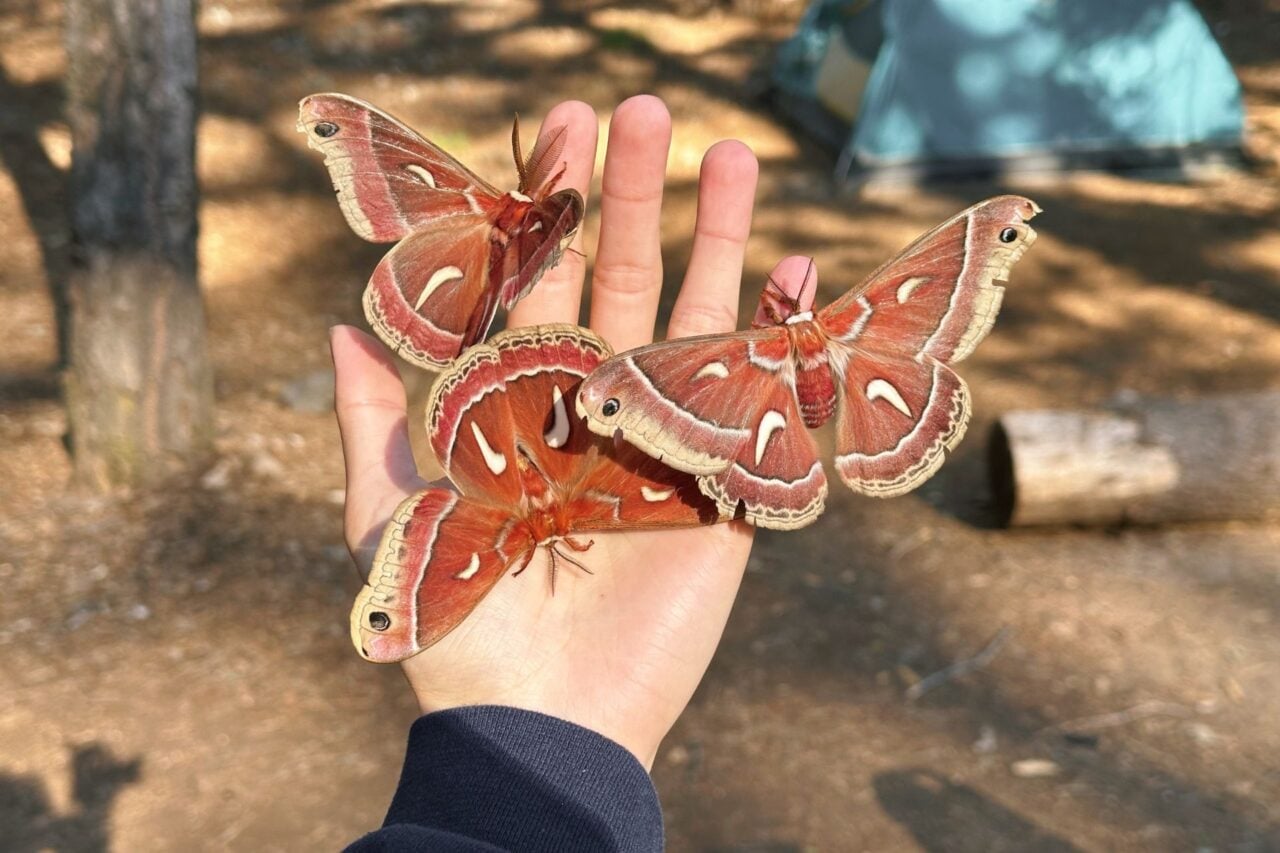
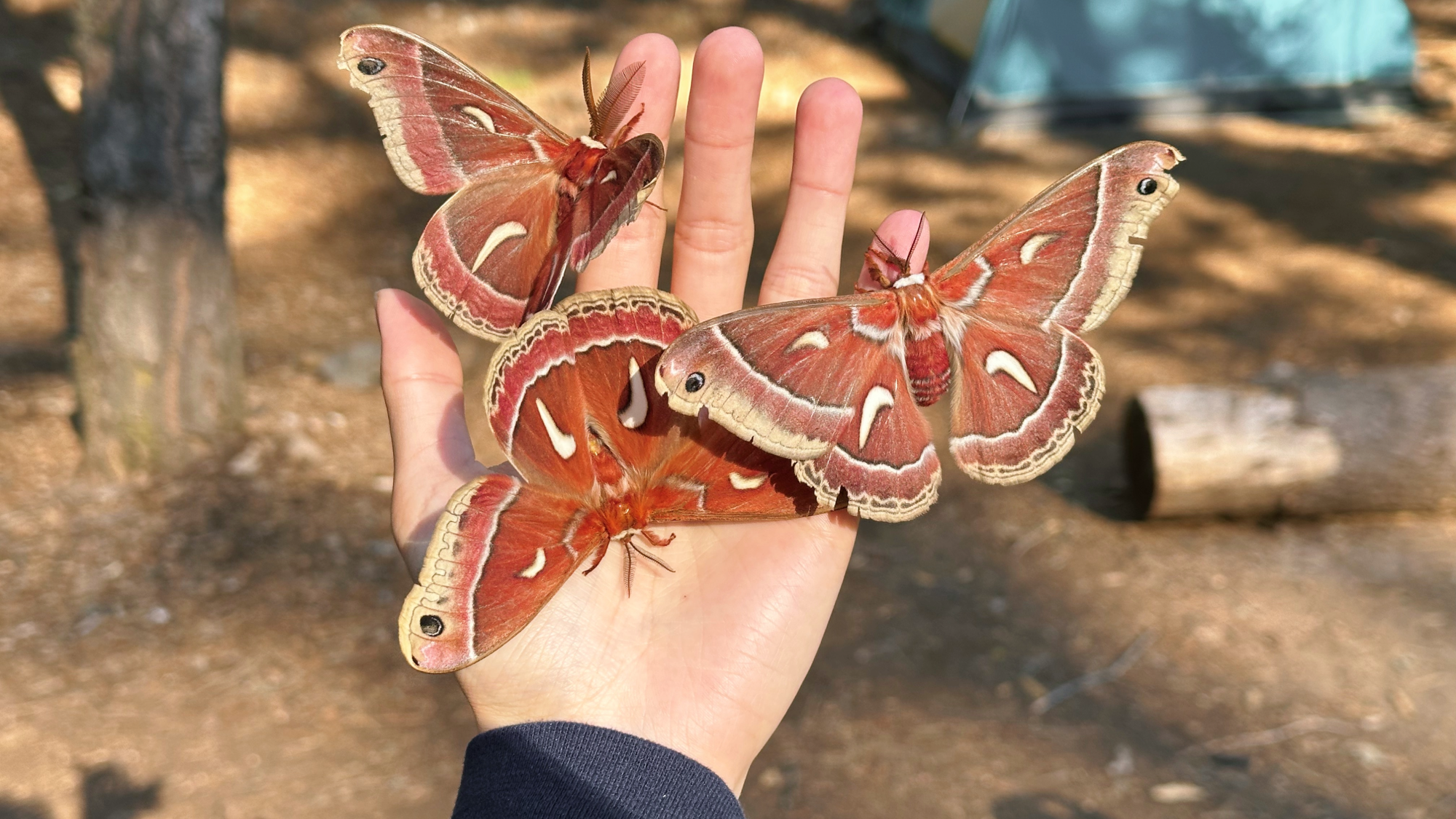
Scientists Thought California Had as Few as 26,000 Insect Species. They Were Way Off

A statewide survey has revealed the true scale of California's insect biodiversity.

Lean: Leans left Fact-focusedFactuality: Mostly factualCountry: United StatesFunding: CorporateOwner: G/O Media
Full coverage
Coverage breakdown
Funding
Corporate100%
Countries
United States100%
Media ownership
Independent50%
G/O Media50%
Avg reliability68
Low-credibility share0%
Fact / opinion2/0
State media0%
More analysis
Truth score: 54 (Limited corroboration) Propaganda risk: 0 Trending: Low Sources: 2 Reliability: 68 Bias severity: 0 Risk: 0Sentiment: 0Sensationalism: 0 Amplification: 0

How we score

Like
Business
2 sources

Who is covering this

The HinduLeans leftNewsCenter
Truth score 55
Left 50%50%Centre 50%50%
The HinduLeans left

Scientists identify how a gut bacterium may trigger colon cancer

A study has uncovered a molecular mechanism through which a common gut bacterium’s toxin attacks colon cells, opening a possible path to protection

Lean: Leans left Fact-focusedFactuality: HighCountry: IndiaFunding: PrivateOwner: The Hindu Group
Full coverage
Coverage breakdown
Funding
Private50%
Corporate50%
Countries
India100%
Media ownership
Independent50%
The Hindu Group50%
Avg reliability72
Low-credibility share0%
Fact / opinion2/0
State media0%
More analysis
Truth score: 55 (Limited corroboration) Propaganda risk: 0 Trending: Low Sources: 2 Reliability: 72 Bias severity: 0 Risk: 0Sentiment: -50Sensationalism: 0 Amplification: 0

How we score

Like
Business
1 source

Who is covering this

NewsCenter
Truth score 38
Centre 100%100%
NewsCenter

Scientists identify a completely new type of rock in a Martian meteorite and find garnet on Mars for the

Scientists identify a completely new type of rock in a Martian meteorite and find garnet on Mars for the The Times of India

Lean: Center Fact-focusedFactuality: Mostly factualCountry: IndiaFunding: CorporateOwner: Independent
Full coverage
Coverage breakdown
Funding
Corporate100%
Countries
India100%
Media ownership
Independent100%
Avg reliability65
Low-credibility share0%
Fact / opinion1/0
State media0%
More analysis
Truth score: 38 (Weakly supported) Propaganda risk: 0 Trending: Low Sources: 1 Reliability: 65 Bias severity: 0 Risk: 0Sentiment: 0Sensationalism: 0 Amplification: 0

How we score

Like
Science
1 source

Who is covering this

PhysCenter
Truth score 38
Centre 100%100%
PhysCenter

Scientists discover new jellyfish species in waters off Alicante in Spain

The Mediterranean Sea still holds species unknown to science. One of them is Copula lucentia, a tiny jellyfish measuring just a few millimeters. Discovered off El Campello, in Alicante, it was formally described in 2024 by a research...

Lean: Center Fact-focusedFactuality: Mostly factualCountry: United StatesFunding: CorporateOwner: Independent
Full coverage
Coverage breakdown
Funding
Corporate100%
Countries
United States100%
Media ownership
Independent100%
Avg reliability65
Low-credibility share0%
Fact / opinion1/0
State media0%
More analysis
Truth score: 38 (Weakly supported) Propaganda risk: 0 Trending: Low Sources: 1 Reliability: 65 Bias severity: 0 Risk: 0Sentiment: 0Sensationalism: 0 Amplification: 0

How we score

Like
Science
1 source

Who is covering this

NewsweekCenter
Truth score 40
Centre 100%100%
NewsweekCenter

Scientists Asked People to Fake Smiles. Something Unexpected Happened

Professor Nicholas Coles wanted to investigate the impact of being forced to smile because of his experience in customer service.

Lean: Center Fact-focusedFactuality: Mostly factualCountry: United StatesFunding: PrivateOwner: Newsweek Media Group
Full coverage
Coverage breakdown
Funding
Private100%
Countries
United States100%
Media ownership
Newsweek Media Group100%
Avg reliability70
Low-credibility share0%
Fact / opinion1/0
State media0%
More analysis
Truth score: 40 (Limited corroboration) Propaganda risk: 0 Trending: Low Sources: 1 Reliability: 70 Bias severity: 0 Risk: 0Sentiment: 0Sensationalism: 0 Amplification: 0

How we score

Like
Business
1 source

Who is covering this

NewsCenter
Truth score 38
Centre 100%100%
NewsCenter

Scientists find rare rock formed by carbon-rich asteroid impact in Moon dust that may explain how water r

Scientists find rare rock formed by carbon-rich asteroid impact in Moon dust that may explain how water r The Times of India

Lean: Center Fact-focusedFactuality: Mostly factualCountry: IndiaFunding: CorporateOwner: Independent
Full coverage
Coverage breakdown
Funding
Corporate100%
Countries
India100%
Media ownership
Independent100%
Avg reliability65
Low-credibility share0%
Fact / opinion1/0
State media0%
More analysis
Truth score: 38 (Weakly supported) Propaganda risk: 0 Trending: Low Sources: 1 Reliability: 65 Bias severity: 0 Risk: 0Sentiment: 0Sensationalism: 0 Amplification: 0

How we score

Like
Science
1 source

Who is covering this

PopsciCenter
Truth score 38
Centre 100%100%
PopsciCenter

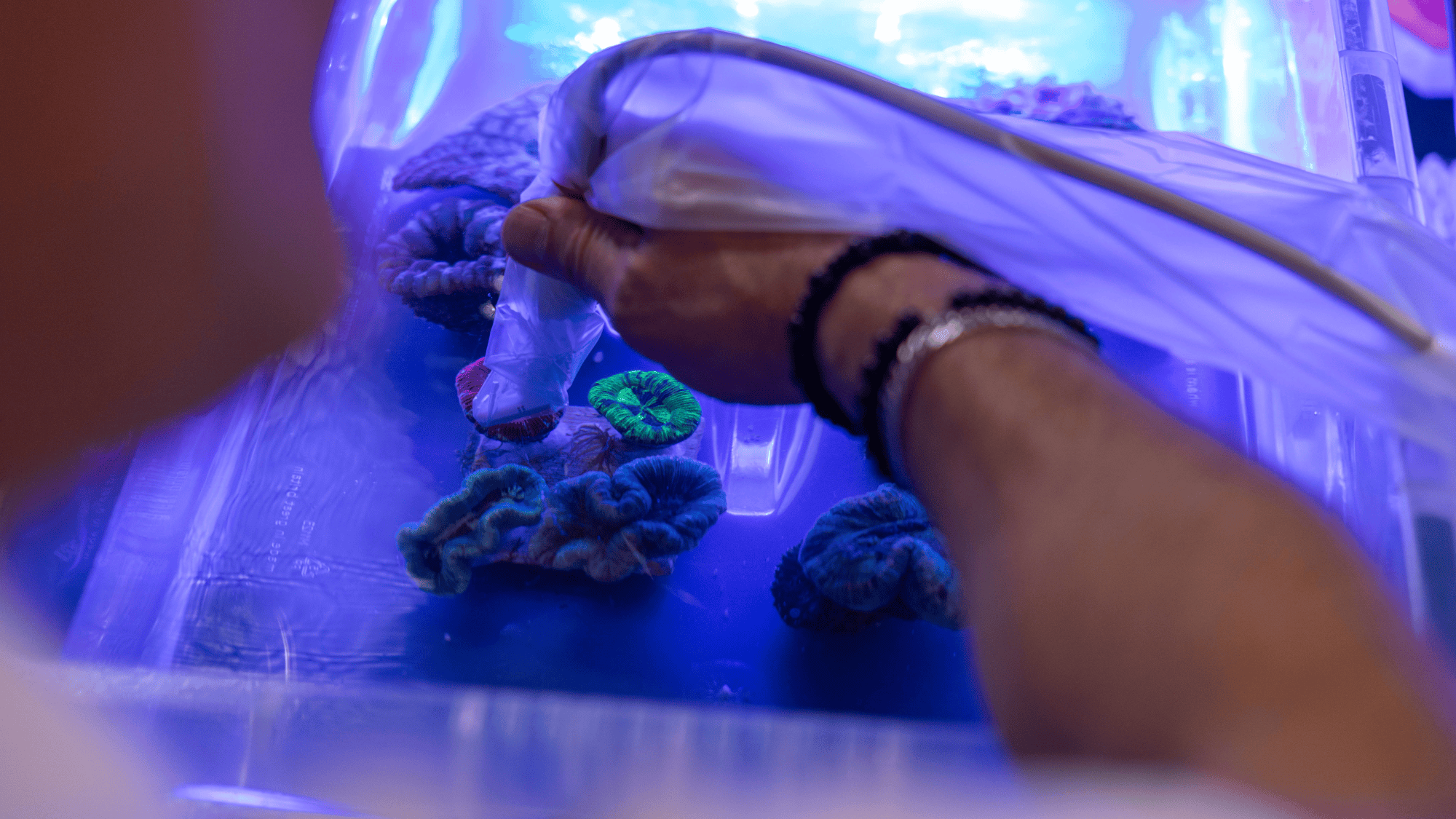
Scientists detect ‘pregnant’ coral using ultrasound device

The high-tech method offers a non-invasive way to monitor endangered coral populations.

Lean: Center Fact-focusedFactuality: Mostly factualCountry: United StatesFunding: CorporateOwner: Independent
Full coverage
Coverage breakdown
Funding
Corporate100%
Countries
United States100%
Media ownership
Independent100%
Avg reliability65
Low-credibility share0%
Fact / opinion1/0
State media0%
More analysis
Truth score: 38 (Weakly supported) Propaganda risk: 0 Trending: Low Sources: 1 Reliability: 65 Bias severity: 0 Risk: 0Sentiment: 0Sensationalism: 0 Amplification: 0

How we score

Like
Science
1 source

Who is covering this

PhysCenter
Truth score 38
Centre 100%100%
PhysCenter

Scientists achieve record-breaking low temperature on China's space station, paving the way for new physics experiments

Matter starts to behave differently at extremely low temperatures, creating conditions ideal for studying quantum physics and new states of matter. Now, researchers from China have achieved a new low-temperature record aboard their...

Lean: Center Fact-focusedFactuality: Mostly factualCountry: United StatesFunding: CorporateOwner: Independent
Full coverage
Coverage breakdown
Funding
Corporate100%
Countries
United States100%
Media ownership
Independent100%
Avg reliability65
Low-credibility share0%
Fact / opinion1/0
State media0%
More analysis
Truth score: 38 (Weakly supported) Propaganda risk: 0 Trending: Low Sources: 1 Reliability: 65 Bias severity: 0 Risk: 0Sentiment: 0Sensationalism: 0 Amplification: 0

How we score

Like
Science
1 source

Who is covering this

NewsweekCenter
Truth score 40
Centre 100%100%
NewsweekCenter

Scientists Identify Daily Step Count Linked to Better Cognitive Performance

Experts found that those who walked a higher number of steps each day had improved cognition by the end of a 14-year study.

Lean: Center Fact-focusedFactuality: Mostly factualCountry: United StatesFunding: PrivateOwner: Newsweek Media Group
Full coverage
Coverage breakdown
Funding
Private100%
Countries
United States100%
Media ownership
Newsweek Media Group100%
Avg reliability70
Low-credibility share0%
Fact / opinion1/0
State media0%
More analysis
Truth score: 40 (Limited corroboration) Propaganda risk: 0 Trending: Low Sources: 1 Reliability: 70 Bias severity: 0 Risk: 0Sentiment: 0Sensationalism: 0 Amplification: 0

How we score

Like
Energy
1 source

Who is covering this

GizmodoLeans left
Truth score 40
Left 100%100%
GizmodoLeans left

Scientists Found a Clever Second Life for Dead Wind Turbine Blades

Blasting pulverized turbine blades with bursts of energy allowed researchers to extract materials that could enhance new blades.

Lean: Leans left Fact-focusedFactuality: Mostly factualCountry: United StatesFunding: CorporateOwner: G/O Media
Full coverage
Coverage breakdown
Funding
Corporate100%
Countries
United States100%
Media ownership
G/O Media100%
Avg reliability70
Low-credibility share0%
Fact / opinion1/0
State media0%
More analysis
Truth score: 40 (Limited corroboration) Propaganda risk: 0 Trending: Low Sources: 1 Reliability: 70 Bias severity: 0 Risk: 0Sentiment: -100Sensationalism: 0 Amplification: 0

How we score

Like
Science
1 source

Who is covering this

LiveCenter
Truth score 41
Centre 100%100%
LiveCenter

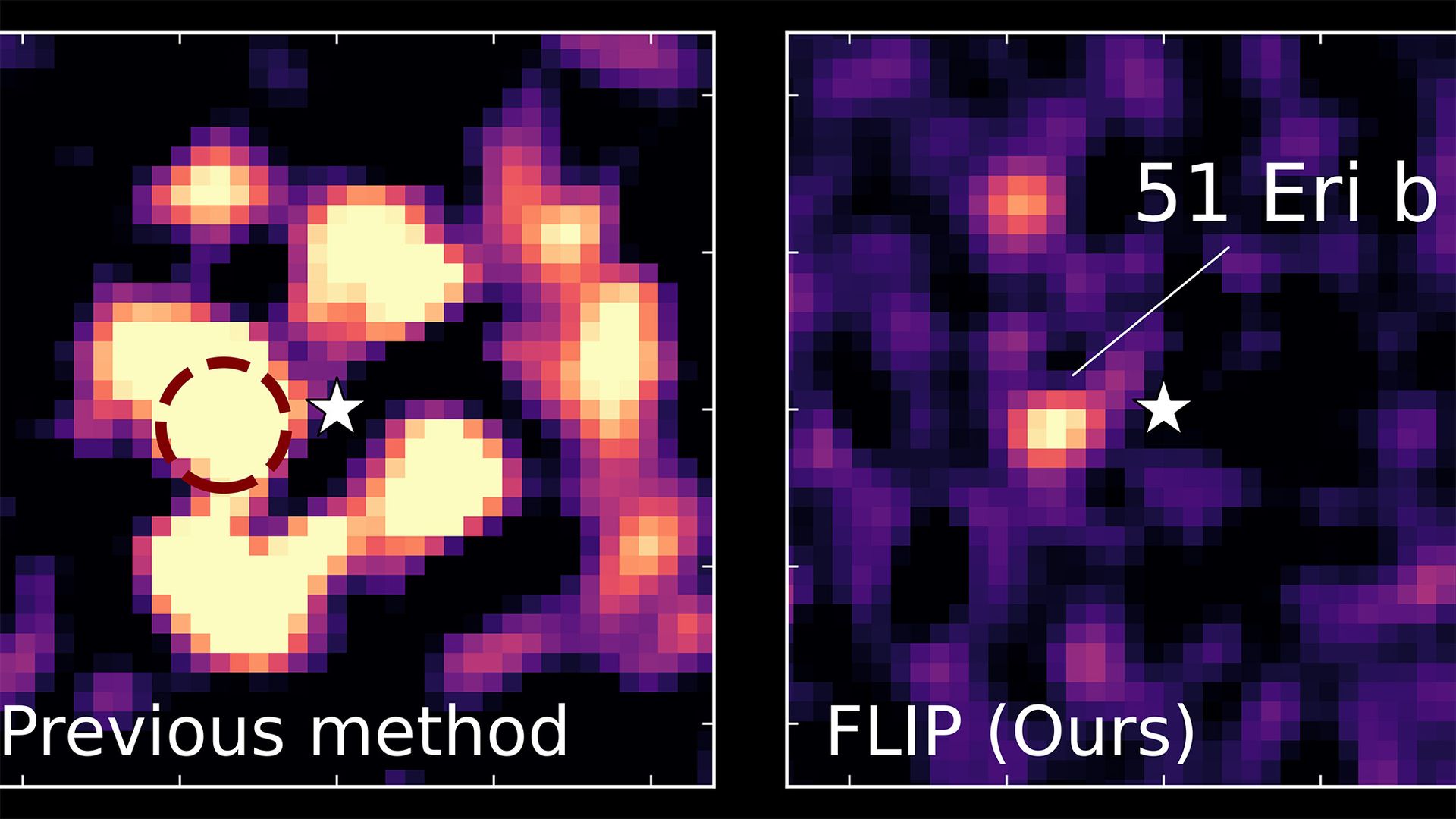
Scientists removed the glare from a James Webb telescope image — and unmasked a hidden planet

Using machine learning, astronomers developed a new way of looking at James Webb telescope data that allows far-off planets to emerge from their star's glare.

Lean: Center Fact-focusedFactuality: HighCountry: United StatesFunding: CorporateOwner: Future US
Full coverage
Coverage breakdown
Funding
Corporate100%
Countries
United States100%
Media ownership
Future US100%
Avg reliability75
Low-credibility share0%
Fact / opinion1/0
State media0%
More analysis
Truth score: 41 (Limited corroboration) Propaganda risk: 0 Trending: Low Sources: 1 Reliability: 75 Bias severity: 0 Risk: 0Sentiment: 0Sensationalism: 0 Amplification: 0

How we score

Like
Science
1 source

Who is covering this

NewsweekCenter
Truth score 40
Centre 100%100%
NewsweekCenter

Scientists May Be Closer to Explaining a Long-Standing Autism Mystery

The author of a new study told Newsweek that disrupting one autism-linked gene can have "rippling effects" on many others.

Lean: Center Fact-focusedFactuality: Mostly factualCountry: United StatesFunding: PrivateOwner: Newsweek Media Group
Full coverage
Coverage breakdown
Funding
Private100%
Countries
United States100%
Media ownership
Newsweek Media Group100%
Avg reliability70
Low-credibility share0%
Fact / opinion1/0
State media0%
More analysis
Truth score: 40 (Limited corroboration) Propaganda risk: 0 Trending: Low Sources: 1 Reliability: 70 Bias severity: 0 Risk: 0Sentiment: 0Sensationalism: 0 Amplification: 0

How we score

Like
Health
1 source

Who is covering this

NewsweekCenter
Truth score 40
Centre 100%100%
NewsweekCenter

Scientists Find Clue to Why Alzheimer's Can Progress Faster

The lead author told Newsweek delays could be especially consequential for younger Alzheimer's patients.

Lean: Center Fact-focusedFactuality: Mostly factualCountry: United StatesFunding: PrivateOwner: Newsweek Media Group
Full coverage
Coverage breakdown
Funding
Private100%
Countries
United States100%
Media ownership
Newsweek Media Group100%
Avg reliability70
Low-credibility share0%
Fact / opinion1/0
State media0%
More analysis
Truth score: 40 (Limited corroboration) Propaganda risk: 0 Trending: Low Sources: 1 Reliability: 70 Bias severity: 0 Risk: 0Sentiment: 0Sensationalism: 0 Amplification: 0

How we score

Like
Science
1 source

Who is covering this

NewsweekCenter
Truth score 40
Centre 100%100%
NewsweekCenter

Scientists Just Studied People Who Can't Stop Thinking About Food

New research has uncovered surprising patterns about who experiences the phenomenon, though some findings remain unexplained.

Lean: Center Fact-focusedFactuality: Mostly factualCountry: United StatesFunding: PrivateOwner: Newsweek Media Group
Full coverage
Coverage breakdown
Funding
Private100%
Countries
United States100%
Media ownership
Newsweek Media Group100%
Avg reliability70
Low-credibility share0%
Fact / opinion1/0
State media0%
More analysis
Truth score: 40 (Limited corroboration) Propaganda risk: 0 Trending: Low Sources: 1 Reliability: 70 Bias severity: 0 Risk: 0Sentiment: 0Sensationalism: 0 Amplification: 0

How we score

Like
Politics
1 source

Who is covering this

Drudge Report FeedLeans right
Truth score 34
Right 100%100%
Drudge Report FeedLeans right

Scientists grow 'human lens' that could help treat eye diseases...

Scientists grow 'human lens' that could help treat eye diseases... (First column, 15th story, link )

Lean: Leans right Fact-focusedCountry: United StatesFunding: CorporateOwner: Independent
Full coverage
Coverage breakdown
Funding
Corporate100%
Countries
United States100%
Media ownership
Independent100%
Avg reliability-
Low-credibility share0%
Fact / opinion1/0
State media0%
More analysis
Truth score: 34 (Weakly supported) Propaganda risk: 0 Trending: Low Sources: 1 Reliability: Not rated Bias severity: 0 Risk: 0Sentiment: 0Sensationalism: 0 Amplification: 0

How we score

Like
Science
1 source

Who is covering this

NewsweekCenter
Truth score 40
Centre 100%100%
NewsweekCenter

Scientists Test Brain Implant That Could Help Blind People See

Surgeons have implanted a brain device in a third blind patient, bringing artificial vision one step closer to reality.

Lean: Center Fact-focusedFactuality: Mostly factualCountry: United StatesFunding: PrivateOwner: Newsweek Media Group
Full coverage
Coverage breakdown
Funding
Private100%
Countries
United States100%
Media ownership
Newsweek Media Group100%
Avg reliability70
Low-credibility share0%
Fact / opinion1/0
State media0%
More analysis
Truth score: 40 (Limited corroboration) Propaganda risk: 0 Trending: Low Sources: 1 Reliability: 70 Bias severity: 0 Risk: 0Sentiment: 0Sensationalism: 0 Amplification: 0

How we score

Like
Business
1 source

Who is covering this

TIMELeans left
Truth score 44
Left 100%100%
TIMELeans left

Scientists Are Finding New Ways to Control AI's Behavior

A new study, shared exclusively with TIME ahead of publication, reveals a promising technique for discouraging AI models from cheating by changing how they're trained.

Lean: Leans left Fact-focusedFactuality: HighCountry: United StatesFunding: CorporateOwner: Marc Benioff
Full coverage
Coverage breakdown
Funding
Corporate100%
Countries
United States100%
Media ownership
Marc Benioff100%
Avg reliability82
Low-credibility share0%
Fact / opinion1/0
State media0%
More analysis
Truth score: 44 (Limited corroboration) Propaganda risk: 0 Trending: Low Sources: 1 Reliability: 82 Bias severity: 0 Risk: 0Sentiment: 0Sensationalism: 0 Amplification: 0

How we score

Like
Science
1 source

Who is covering this

Associated PressCenter
Truth score 471
Centre 100%100%
Associated PressCenter

Scientists reverse coral bleaching in a lab, offering hope for dying coral reefs

Stanford University researchers have discovered that dying coral can be revived through contact with healthy coral in a lab. The finding could help scientists find new ways to restore coral reefs threatened by warming ocean waters. (AP...

Lean: Center VideoFactuality: Very highCountry: United StatesFunding: NonprofitOwner: AP (Cooperative)
Full coverage
Coverage breakdown
Funding
Nonprofit100%
Countries
United States100%
Media ownership
AP (Cooperative)100%
Avg reliability92
Low-credibility share0%
Fact / opinion1/0
State media0%
More analysis
Truth score: 47 (Limited corroboration) Propaganda risk: 0 Trending: Low Sources: 1 Reliability: 92 Bias severity: 0 Risk: 0Sentiment: 100Sensationalism: 0 Amplification: 0

How we score

Like
Science
1 source

Who is covering this

PhysCenter
Truth score 38
Centre 100%100%
PhysCenter

Scientists reveal how cosignaling receptors dually regulate T cell activation via phase separation

Previous studies have shown that upon antigen stimulation, the T cell receptor (TCR) undergoes phase separation with the kinase Lck to mediate rapid T cell activation. However, the manner in which costimulating receptors regulate this...

Lean: Center Fact-focusedFactuality: Mostly factualCountry: United StatesFunding: CorporateOwner: Independent
Full coverage
Coverage breakdown
Funding
Corporate100%
Countries
United States100%
Media ownership
Independent100%
Avg reliability65
Low-credibility share0%
Fact / opinion1/0
State media0%
More analysis
Truth score: 38 (Weakly supported) Propaganda risk: 0 Trending: Low Sources: 1 Reliability: 65 Bias severity: 0 Risk: 0Sentiment: 0Sensationalism: 0 Amplification: 0

How we score

Like
Technology
1 source

Who is covering this

CNETCenter
Truth score 41
Centre 100%100%
CNETCenter

Scientists Build Biocomputer That Runs on Bacteria to Solve Hard Problems

The study relied on the bacterium E. coli and V. natriegens to run the calculations.

Lean: Center Fact-focusedFactuality: HighCountry: United StatesFunding: CorporateOwner: Red Ventures
Full coverage
Coverage breakdown
Funding
Corporate100%
Countries
United States100%
Media ownership
Red Ventures100%
Avg reliability75
Low-credibility share0%
Fact / opinion1/0
State media0%
More analysis
Truth score: 41 (Limited corroboration) Propaganda risk: 0 Trending: Low Sources: 1 Reliability: 75 Bias severity: 0 Risk: 0Sentiment: 0Sensationalism: 0 Amplification: 0

How we score

Like
Science
1 source

Who is covering this

LiveCenter
Truth score 41
Centre 100%100%
LiveCenter

Scientists find the best evidence yet of potentially habitable volcanic vents on Mars

Magma and a possible environment for ancient life might be present on Mars in the region of a large volcano on the Red Planet.

Lean: Center Fact-focusedFactuality: HighCountry: United StatesFunding: CorporateOwner: Future US
Full coverage
Coverage breakdown
Funding
Corporate100%
Countries
United States100%
Media ownership
Future US100%
Avg reliability75
Low-credibility share0%
Fact / opinion1/0
State media0%
More analysis
Truth score: 41 (Limited corroboration) Propaganda risk: 0 Trending: Low Sources: 1 Reliability: 75 Bias severity: 0 Risk: 0Sentiment: 0Sensationalism: 0 Amplification: 0

How we score

Like
Science
1 source

Who is covering this

PhysCenter
Truth score 38
Centre 100%100%
PhysCenter

Scientists discover there are way more bugs in California than you thought

A new study published in the journal Ecography finds that there are more than 60,000 different species of insects in California—and scientists have only described about two-thirds of them.

Lean: Center Fact-focusedFactuality: Mostly factualCountry: United StatesFunding: CorporateOwner: Independent
Full coverage
Coverage breakdown
Funding
Corporate100%
Countries
United States100%
Media ownership
Independent100%
Avg reliability65
Low-credibility share0%
Fact / opinion1/0
State media0%
More analysis
Truth score: 38 (Weakly supported) Propaganda risk: 0 Trending: Low Sources: 1 Reliability: 65 Bias severity: 0 Risk: 0Sentiment: 0Sensationalism: 0 Amplification: 0

How we score

Like
Science
1 source

Who is covering this

PhysCenter
Truth score 38
Centre 100%100%
PhysCenter

Scientists develop novel model to forecast internal solitary waves from multiple sources in the Sulu Sea

A research team led by Professor Li Xiaofeng from the Institute of Oceanology of the Chinese Academy of Sciences (IOCAS) has developed a model to forecast internal solitary waves originating from multiple sources in the Sulu Sea. The...

Lean: Center Fact-focusedFactuality: Mostly factualCountry: United StatesFunding: CorporateOwner: Independent
Full coverage
Coverage breakdown
Funding
Corporate100%
Countries
United States100%
Media ownership
Independent100%
Avg reliability65
Low-credibility share0%
Fact / opinion1/0
State media0%
More analysis
Truth score: 38 (Weakly supported) Propaganda risk: 0 Trending: Low Sources: 1 Reliability: 65 Bias severity: 0 Risk: 0Sentiment: 0Sensationalism: 0 Amplification: 0

How we score

Like
Science
1 source

Who is covering this

CBC NewsLeans left
Truth score 451
Left 100%100%
CBC NewsLeans left

Scientists ‘blown away’ seeing bleached corals fully recover

Scientists at Stanford University in California stumbled on a promising discovery when two coral fragments in the lab — one bleached and one healthy — tipped over in a tank and touched. Weeks later, the bleached coral was completely...

Lean: Leans left VideoFactuality: Very highCountry: CanadaFunding: Public broadcasterOwner: Canadian Government
Full coverage
Coverage breakdown
Funding
Public broadcaster100%
Countries
Canada100%
Media ownership
Canadian Government100%
Avg reliability85
Low-credibility share0%
Fact / opinion1/0
State media0%
More analysis
Truth score: 45 (Limited corroboration) Propaganda risk: 0 Trending: Low Sources: 1 Reliability: 85 Bias severity: 0 Risk: 0Sentiment: 0Sensationalism: 0 Amplification: 0

How we score

Like
Science
1 source

Who is covering this

PhysCenter
Truth score 38
Centre 100%100%
PhysCenter

Scientists revive decades-old approach to target cancer-linked genes using synthetic DNA

Researchers have developed a new approach that uses synthetic DNA molecules to target cancer-linked genes directly, opening new possibilities for future treatments, diagnostics and biological research.

Lean: Center Fact-focusedFactuality: Mostly factualCountry: United StatesFunding: CorporateOwner: Independent
Full coverage
Coverage breakdown
Funding
Corporate100%
Countries
United States100%
Media ownership
Independent100%
Avg reliability65
Low-credibility share0%
Fact / opinion1/0
State media0%
More analysis
Truth score: 38 (Weakly supported) Propaganda risk: 0 Trending: Low Sources: 1 Reliability: 65 Bias severity: 0 Risk: 0Sentiment: 0Sensationalism: 0 Amplification: 0

How we score

Like
Health
1 source

Who is covering this

NewsweekCenter
Truth score 40
Centre 100%100%
NewsweekCenter

Scientists Uncover Dozens of Previously Unknown Alzheimer’s Risk Factors

Researchers identified 48 regions in human DNA associated with disease risk that had previously not been mapped.

Lean: Center Fact-focusedFactuality: Mostly factualCountry: United StatesFunding: PrivateOwner: Newsweek Media Group
Full coverage
Coverage breakdown
Funding
Private100%
Countries
United States100%
Media ownership
Newsweek Media Group100%
Avg reliability70
Low-credibility share0%
Fact / opinion1/0
State media0%
More analysis
Truth score: 40 (Limited corroboration) Propaganda risk: 0 Trending: Low Sources: 1 Reliability: 70 Bias severity: 0 Risk: 0Sentiment: 0Sensationalism: 0 Amplification: 0

How we score

Like