Earth Tongue Plot 2027 North American Tour

Supporting their latest album 'Dungeon Vision,' New Zealand heavy psych rock duo Earth Tongue have announced a sprawling 2027 North American
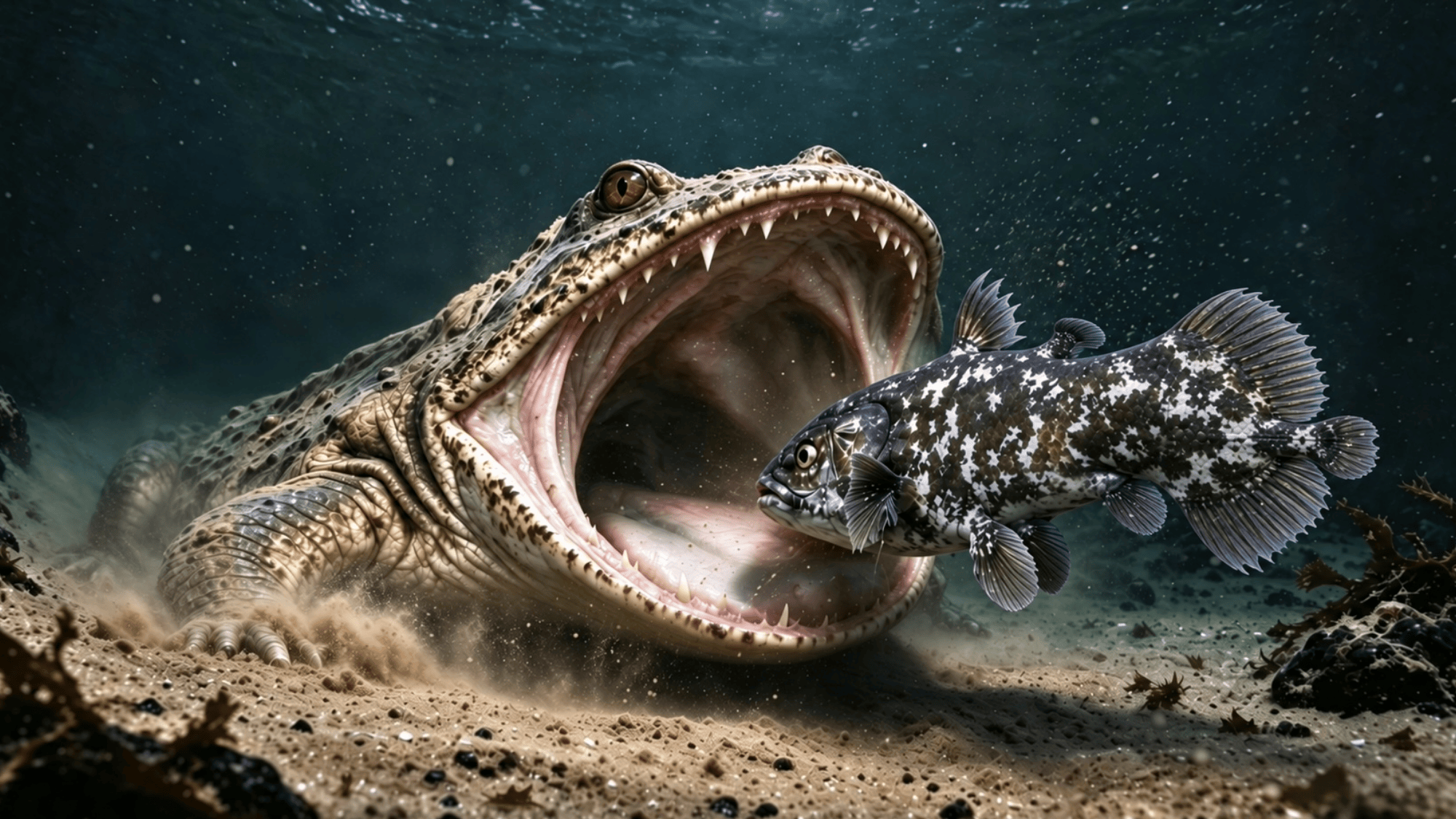
‘Gerrothorax maritimus’ lived about 237 million years ago, when parts of China were covered by an ocean. Learn more about Gerrothorax maritimus, an ancient amphibian that may have lived in a fully marine ecosystem. Covered by 3 outlets:...
Paleontologists have described what they say is the first fully marine species of a stem amphibian, Gerrothorax maritimus, based on two nearly complete skeletons from the Late Triassic epoch of China.
Learn more about Gerrothorax maritimus, an ancient amphibian that may have lived in a fully marine ecosystem.
Every few years, an unusual warming of surface waters across the central and eastern tropical Pacific—known as El Niño—reorganizes atmospheric circulation worldwide, bringing severe droughts to some continents and torrential rainfall to...
Who is covering this
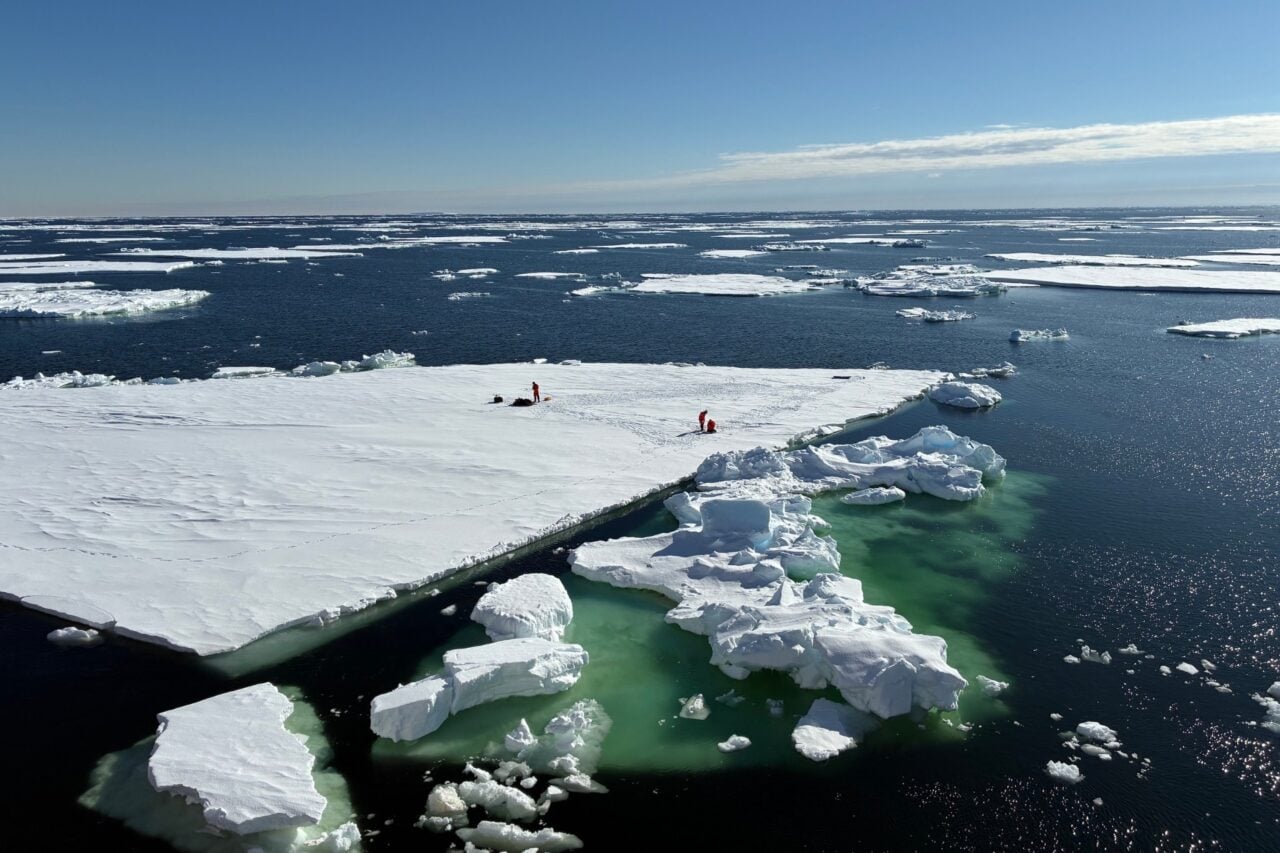
The cryosphere is integral to the climate system, but it's breaking down in a warming world.
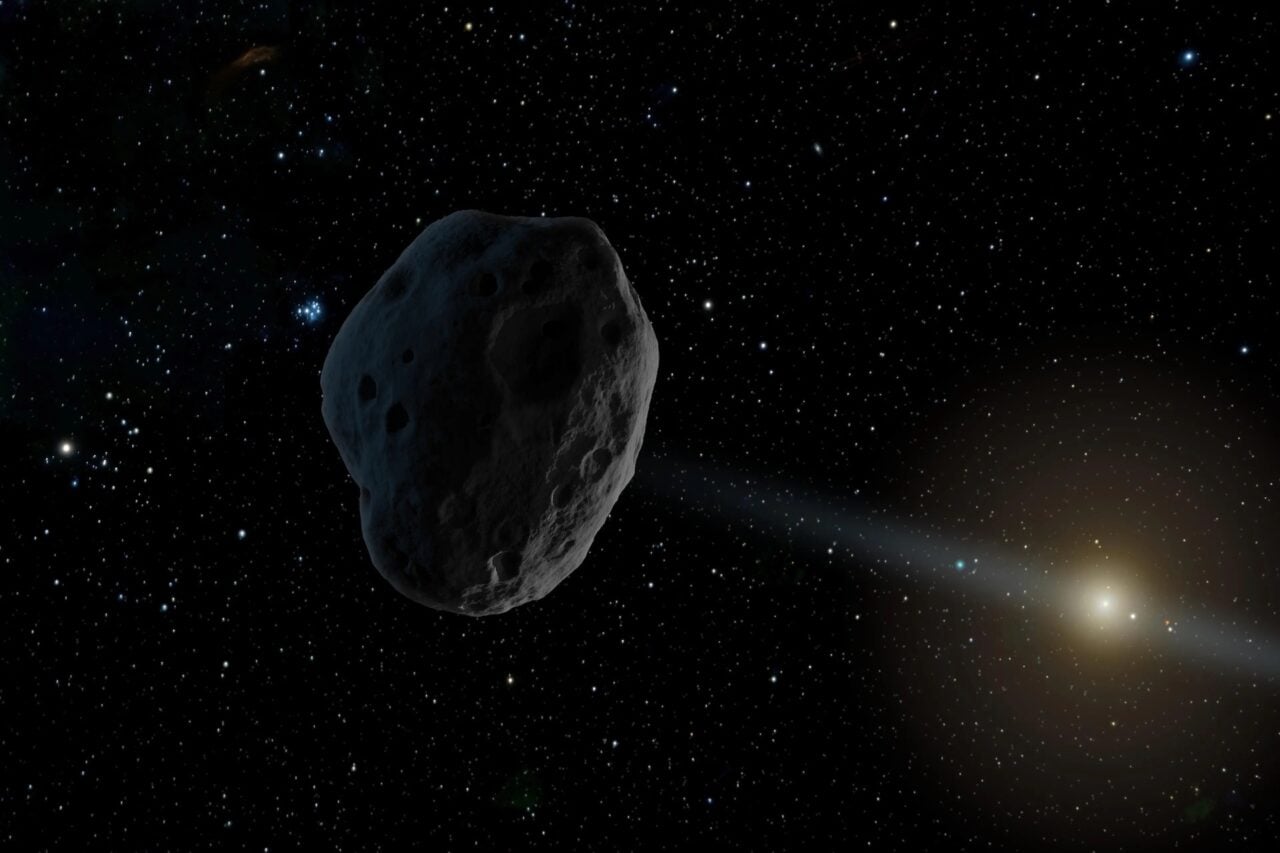
Asteroid 2026 QQ8 became a temporary mini-moon in April, astronomers say, but orbital calculations suggest it will leave Earth's gravitational hold in December or January.
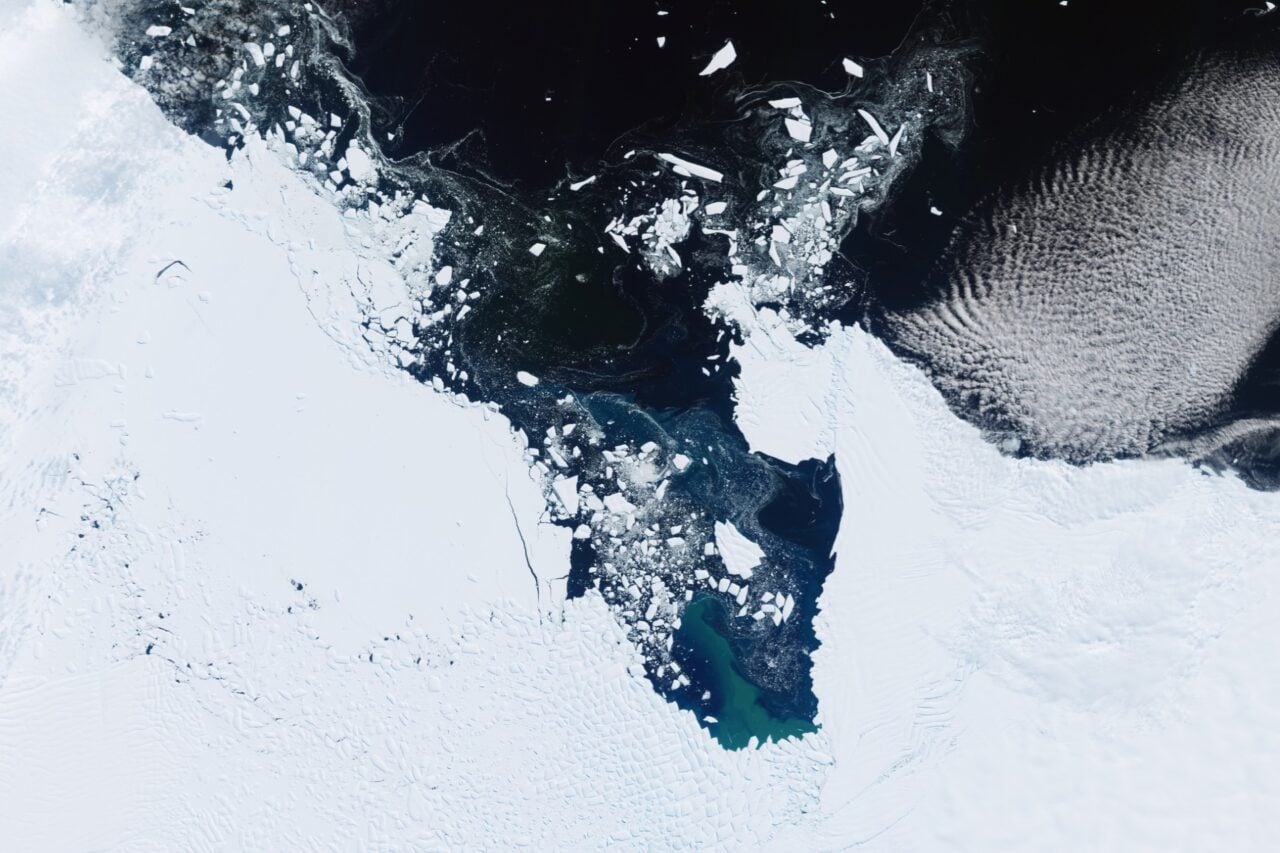
A critical section of the West Antarctic Ice Sheet—including Thwaites glacier—rapidly retreated during milder periods of global warming.
Earth collecting more heat than its letting out intensifying climate imbalance
A new study suggests that most of Earth's carbon originated in the outer solar system and didn't arrive here until the late stages of planetary development. The study, led by researchers at Yale and Columbia, is based upon an analysis...
Who is covering this
Earth is surrounded by millions of pieces of space junk and the problem is getting worse WRAL How space trash could affect weather, ozone and your forecast The Weather Channel Our increasingly cluttered skies Astronomy.com The cost of...
We typically think of the moon as a static, floating object that has remained the same for basically its entire lifetime, with an occasional asteroid impact serving as an exception. That understanding is grounded in physics—the moon...
Explaining the Great Unconformity, where Cambrian deposits sit on top of older rocks.
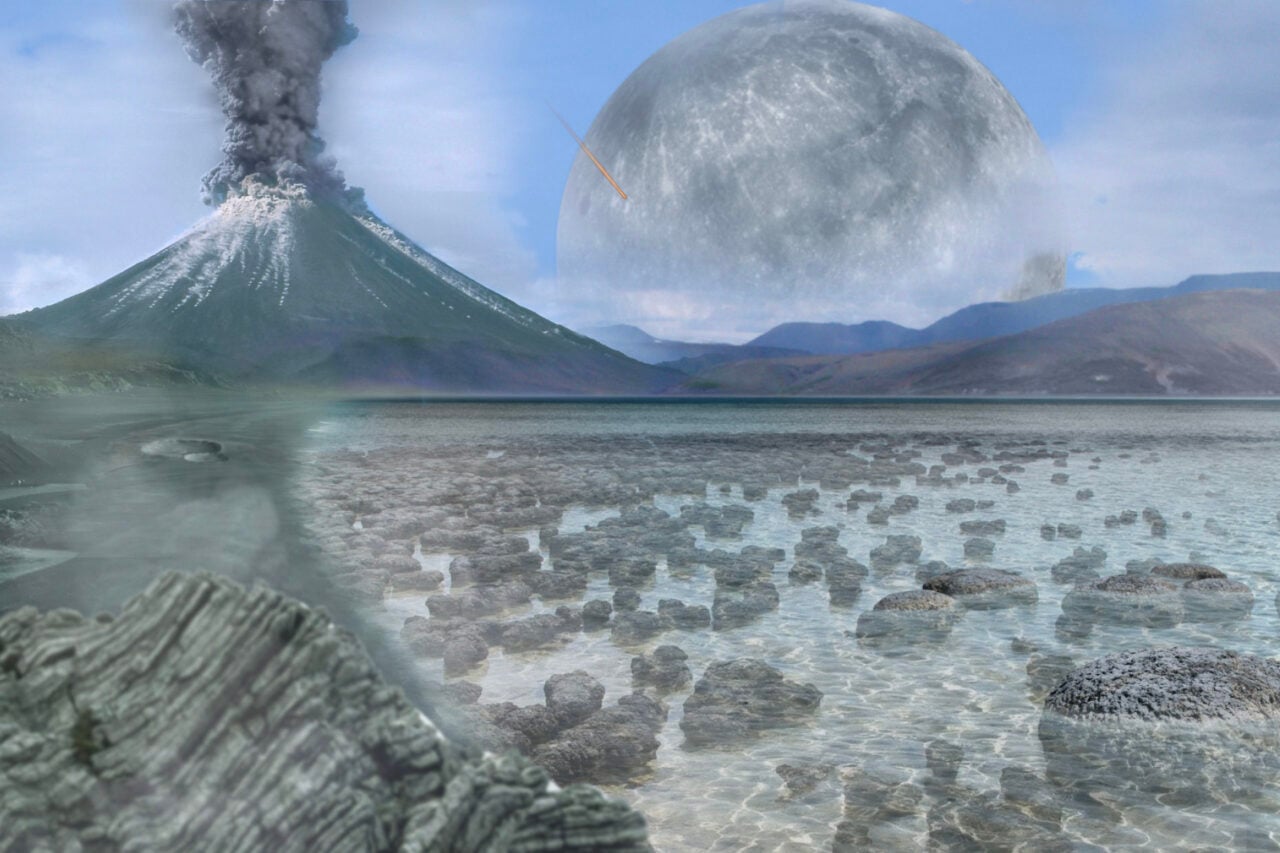
Around 4.5 billion years ago, a planet-sized object collided with the newly formed Earth, throwing out the debris that would later form the moon. The collision left Earth spinning extremely fast, with days lasting just two to five...
If you partitioned the entire Earth, from just below the surface to the top of the atmosphere, into 1-kilometer-square chunks, there would be billions of them. Now run each of those cells through a series of complex physics equations,...
Earth Now | What does it take to tackle air pollution? From emissions at busy ports to pollution from industry, traffic, heating and dust, improving air quality means tackling a complex mix of sources. In Turkey and Uzbekistan,...
Scientists found a major solar storm sent high-energy electrons into a region around Earth that they thought was protected.
The spectacular depiction of Ravana-Jatayu war in Ramayana: Part 1 has sparked global interest, turning Chadayamangalam’s Jatayu Earth Center into a viral trending destination across social media and travel vlogs
BBC Studios (BBCS) has named Sreya Biswas as Head of its Natural History Unit (NHU), maker of Planet Earth III and Blue Planet III. Biswas will take over from Jonny Keeling early next year, taking on the lead for the editorial,...
Who is covering this
First mistaken for space junk, 2026 QQ8 has turned out to be a temporary companion to Earth.
The ocean covers around 70% of the Earth's surface, but large parts of the seafloor remain largely unexplored.
Who is covering this
Killing Mother Earth PM declares war on farm chemicals bats for natural farming
Who is covering this
Earth's geological puberty came when it was about 2 billion years old. It may be why our planet evolved to be so different from the rest of the solar system.
An alleged space rock traveling towards Earth has baffled scientists who cannot explain why it is speeding up.
Scientists have identified a major turning point in Earth's geological history, when the processes shaping the planet's crust changed dramatically and began to resemble the plate tectonics we see today—about 2.5 billion years ago.
What would Earth without life be like? US scientists create a simulation to find out ThePrint Scientists Simulated What Earth Would Be Like if Life Never Existed ScienceAlert A Virtual Lifeless Earth Will Help Scientists Find Life on...
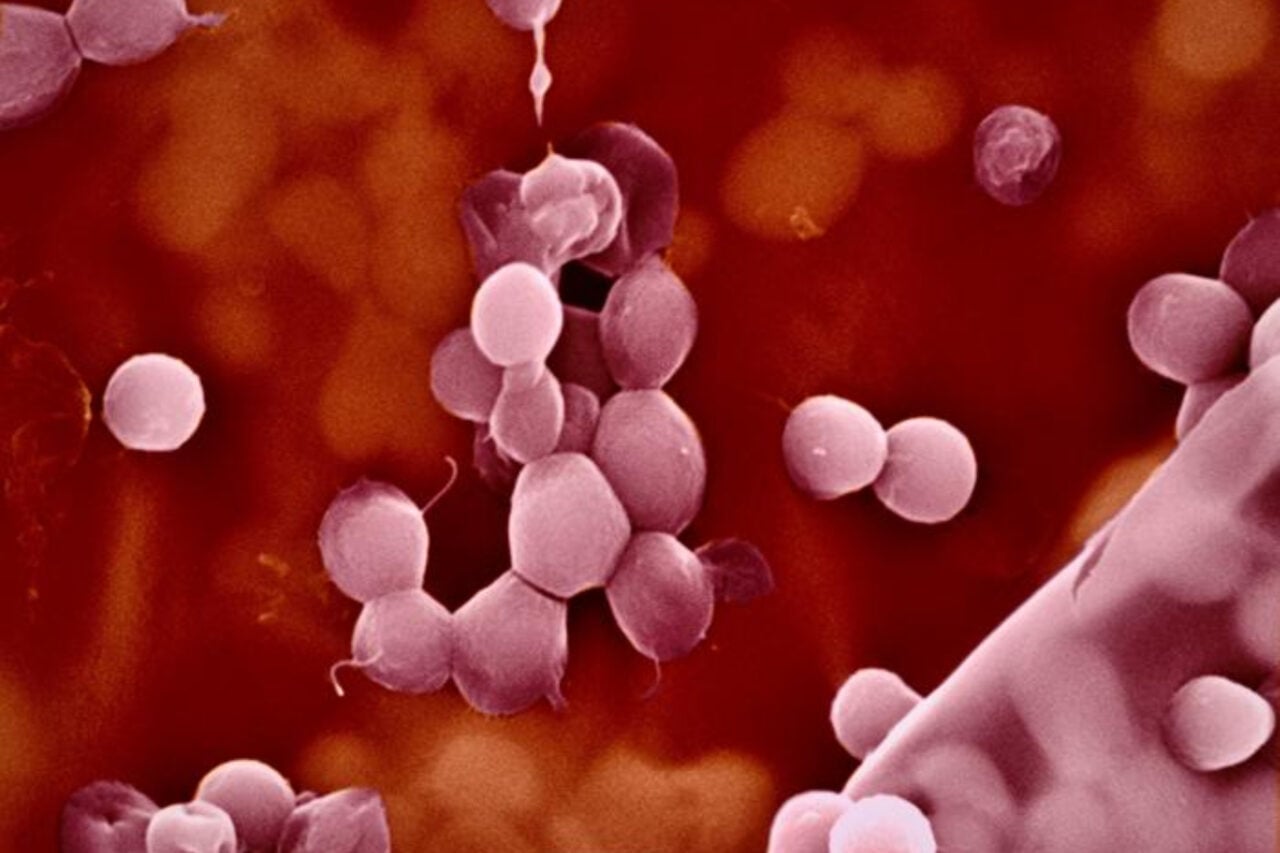
The microorganism grew despite being stuck in oxygen-free, carbon-rich, low-pressure, and extremely salty environments.
Guitarist Richard Lloyd reveals the full story
Voyager I’s forty-nine-year journey into the void
Experts say a handful of pieces made of denser-than-lead tungsten and some mirror parts could survive reentry.
Animals like sea turtles, salmon, pigeons, and sharks can use Earth's magnetic field to cross entire oceans. How can they tap into this sense and will humans ever be able to do it, too?
From the Amazon to the Chocó-Darien, the world's 10 largest rainforests ranked by how much primary forest each held in 2020.