INDBInternet News Database 2.5 Updated just now · 293 sources Show or hide images Light or dark

Results for “Earth Sciences”

Science
1 source
Truth score 34
No rated outlets yet
Breaking Science NewsNo political lean

Paleontologists Identify New Species of Tapejarid Pterosaur
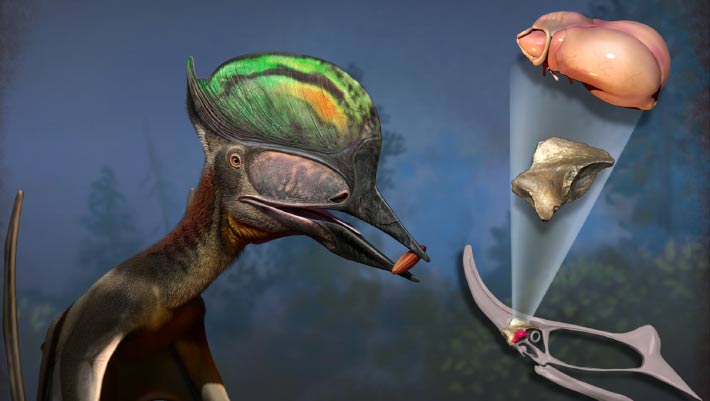
A new genus and species of tapejarid pterosaur has been identified from a specimen in the collections of the Sedgwick Museum of Earth Sciences in Cambridge, England, first described in 1870.

Lean: No political lean Fact-focusedCountry: United StatesFunding: CorporateOwner: Independent
Full coverage
Coverage breakdown
Funding
Corporate100%
Countries
United States100%
Media ownership
Independent100%
Avg reliability-
Low-credibility share0%
Fact / opinion1/0
State media0%
More analysis
Truth score: 34 (Weakly supported) Propaganda risk: 0 Trending: Low Sources: 1 Reliability: Not rated Bias severity: 0 Risk: 0Sentiment: 0Sensationalism: 0 Amplification: 0

How we score

Like
Left 25%25%Centre 62%62%Right 12%12%
TIMELeans left

Fossil Fuel Emissions Are Expected to Decrease in 2026

Global carbon emissions are expected to fall slightly in 2026, but not because of major progress on climate action. In the run-up to the COP31 U.N. Covered by 8 outlets: 2 lean left, 5 are centre, 1 lean right.

Lean: Leans left Fact-focusedFactuality: HighCountry: United StatesFunding: CorporateOwner: Marc Benioff
+ 3 · Full coverage
Coverage breakdown
Funding
Corporate50%
Private25%
Public broadcaster12%
State-funded12%
Countries
United States38%
India25%
Germany12%
France12%
Israel12%
Media ownership
Marc Benioff12%
Independent12%
Future US12%
German Government12%
FRANCE 24 English12%
Avg reliability76
Low-credibility share0%
Fact / opinion8/0
State media12%
More analysis
Truth score: 80 (Strongly corroborated) Propaganda risk: 0 Trending: Low Sources: 8 Reliability: 76 Bias severity: 33 Risk: 0Sentiment: -38Sensationalism: 0 Amplification: 0

How we score

Like
Science
1 source

Who is covering this

PhysCenter
Truth score 38
Centre 100%100%
PhysCenter

Record-breaking 2025 Iberian fire season was three times larger due to climate change

The latest global State of Wildfires report, co-led by the University of East Anglia, shows that the extreme fire-prone weather experienced across Spain and Portugal in 2025 was three times more likely due to human-caused climate...

Lean: Center Fact-focusedFactuality: Mostly factualCountry: United StatesFunding: CorporateOwner: Independent
Full coverage
Coverage breakdown
Funding
Corporate100%
Countries
United States100%
Media ownership
Independent100%
Avg reliability65
Low-credibility share0%
Fact / opinion1/0
State media0%
More analysis
Truth score: 38 (Weakly supported) Propaganda risk: 0 Trending: Low Sources: 1 Reliability: 65 Bias severity: 0 Risk: 0Sentiment: -100Sensationalism: 0 Amplification: 0

How we score

Like
Science
1 source

Who is covering this

NASACenter
Truth score 38
Centre 100%100%
NASACenter

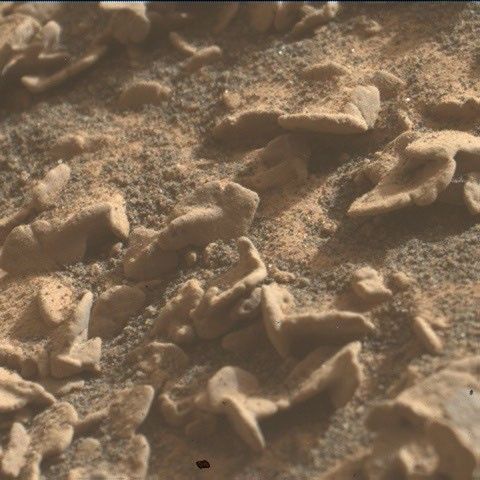
Curiosity Blog, Sols 5063-5069 Rocks and Chips

Written by William Farrand, Senior Research Scientist, Space Science Institute Earth planning date: Friday, Nov. 6, 2026 This week Curiosity has been completing its drill campaign at the “Nazca” drill hole. This is an area characterized...

Lean: Center Fact-focusedFactuality: Mostly factualCountry: United StatesFunding: CorporateOwner: Independent
Full coverage
Coverage breakdown
Funding
Corporate100%
Countries
United States100%
Media ownership
Independent100%
Avg reliability65
Low-credibility share0%
Fact / opinion1/0
State media0%
More analysis
Truth score: 38 (Weakly supported) Propaganda risk: 0 Trending: Low Sources: 1 Reliability: 65 Bias severity: 0 Risk: 0Sentiment: 0Sensationalism: 0 Amplification: 0

How we score

Like
Science
1 source

Who is covering this

Google NewsCenter
Truth score 41
Centre 100%100%
Google NewsCenter

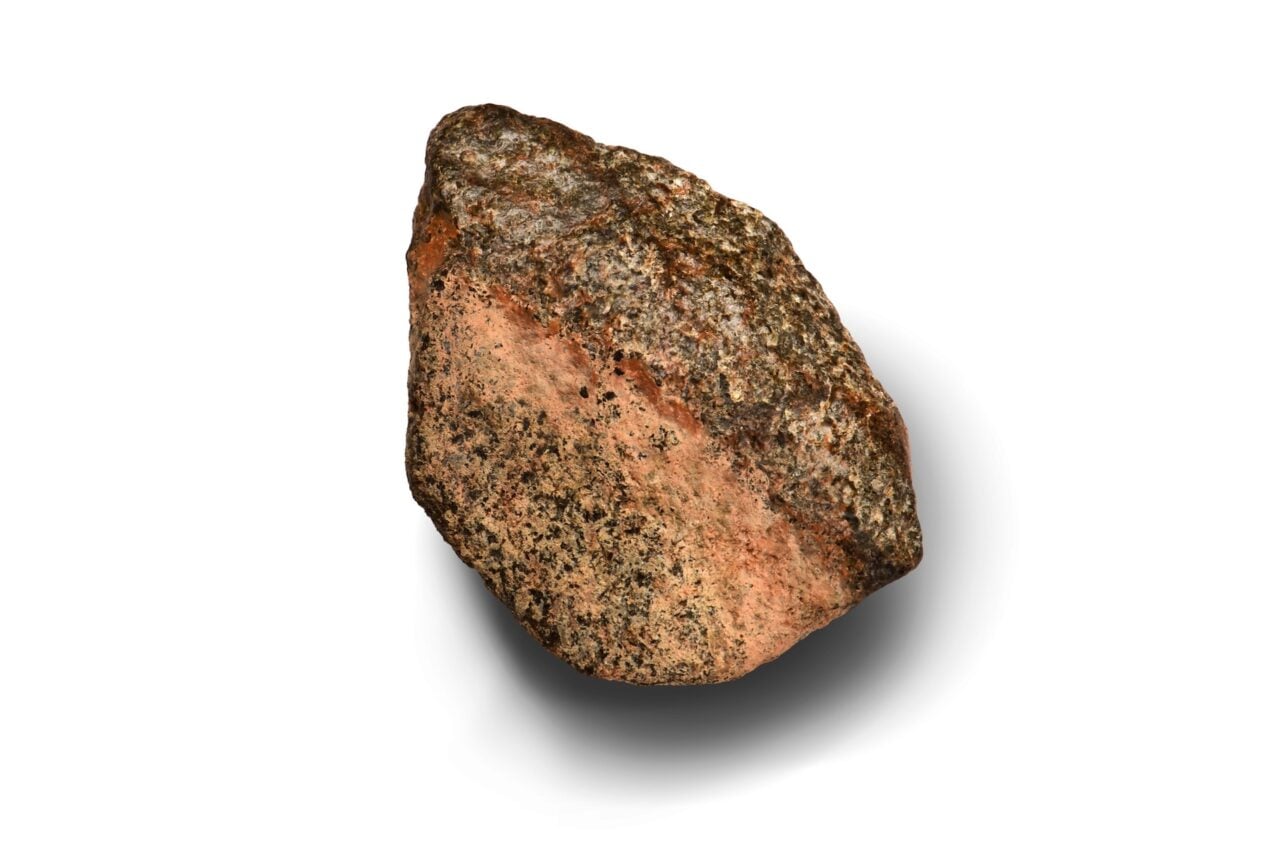
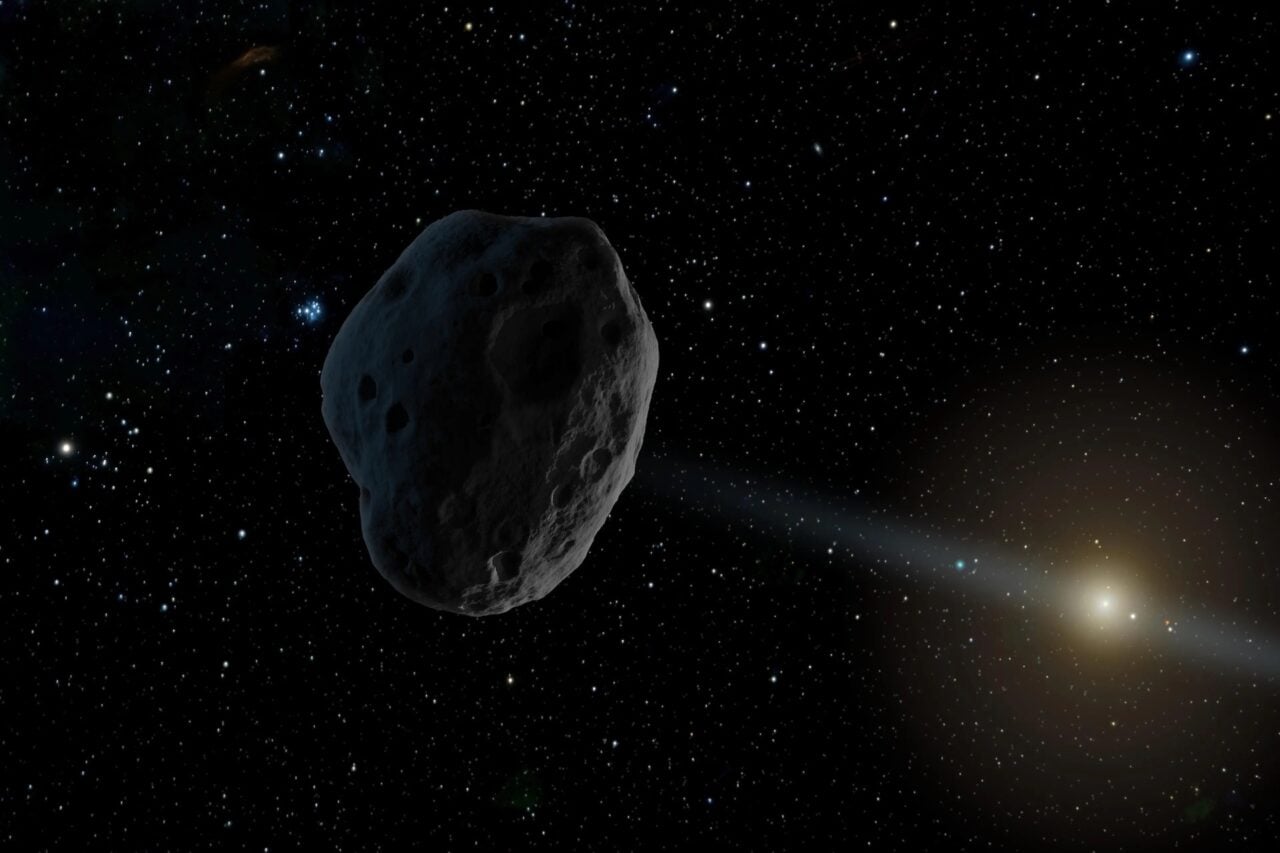
Mysterious space rock near the Earth sparks research about its identity following unusual movement

Mysterious space rock near the Earth sparks research about its identity following unusual movement FOX Weather A Dark Comet Mystery Just Got Stranger After Astronomers Found Its Acceleration May Have Nothing to Do With Ice ZME Science...

Lean: Center Fact-focusedFactuality: HighCountry: United StatesFunding: Corporate
Full coverage
Coverage breakdown
Funding
Corporate100%
Countries
United States100%
Media ownership
Google News100%
Avg reliability75
Low-credibility share0%
Fact / opinion1/0
State media0%
More analysis
Truth score: 41 (Limited corroboration) Propaganda risk: 0 Trending: Low Sources: 1 Reliability: 75 Bias severity: 0 Risk: 0Sentiment: 0Sensationalism: 0 Amplification: 0

How we score

Like
Science
1 source

Who is covering this

PhysCenter
Truth score 38
Centre 100%100%
PhysCenter

Mountain growth spurts may have sparked complex life on Earth

Mountain ranges grew higher throughout Earth's history in two distinct "spurts" that correlated with the flourishing of biological diversity on our planet, according to new research published in the journal Science Advances. The study...

Lean: Center Fact-focusedFactuality: Mostly factualCountry: United StatesFunding: CorporateOwner: Independent
Full coverage
Coverage breakdown
Funding
Corporate100%
Countries
United States100%
Media ownership
Independent100%
Avg reliability65
Low-credibility share0%
Fact / opinion1/0
State media0%
More analysis
Truth score: 38 (Weakly supported) Propaganda risk: 0 Trending: Low Sources: 1 Reliability: 65 Bias severity: 0 Risk: 0Sentiment: 100Sensationalism: 0 Amplification: 0

How we score

Like
Left 33%33%Centre 67%67%
Hindustan TimesCenter

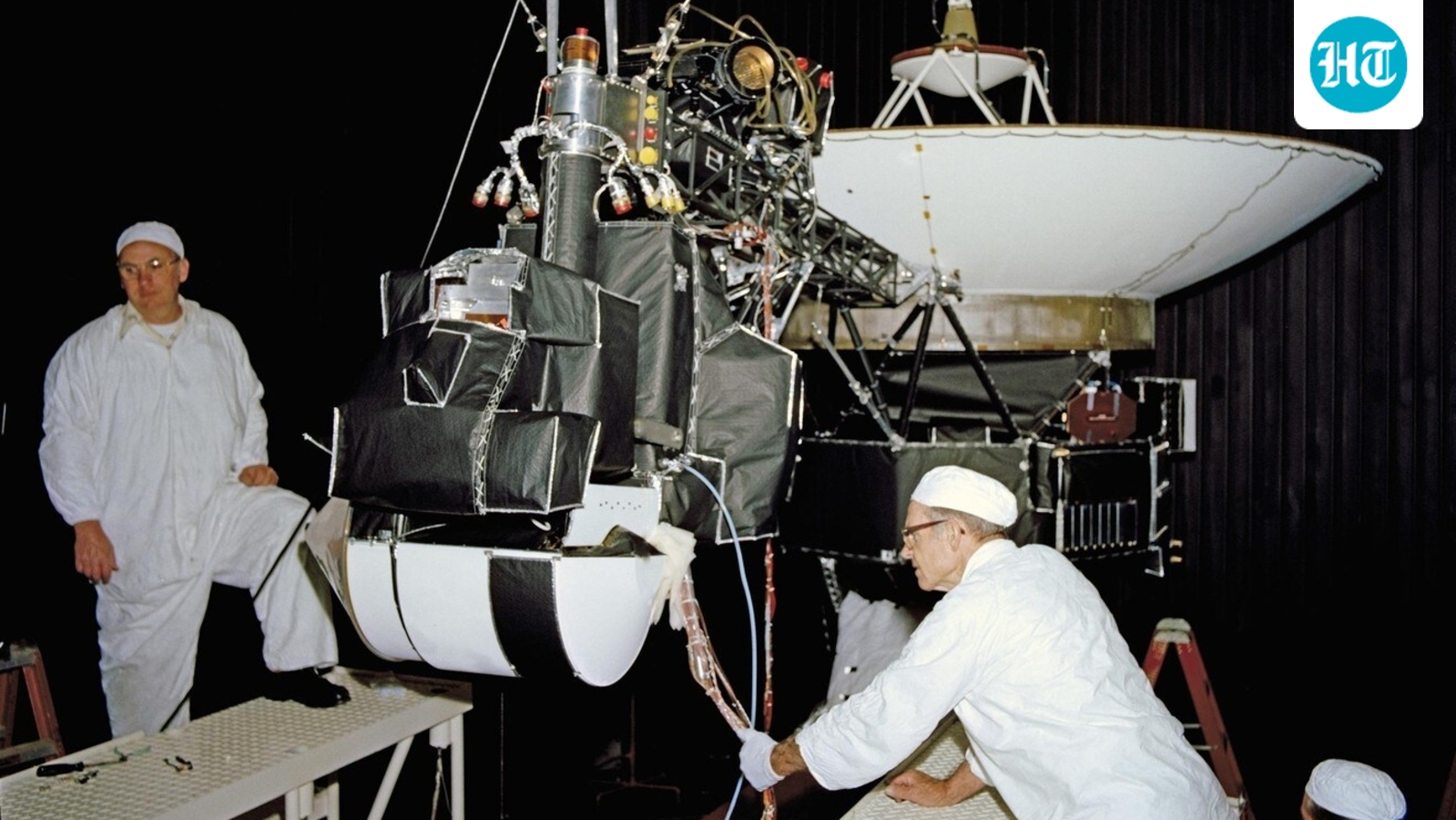
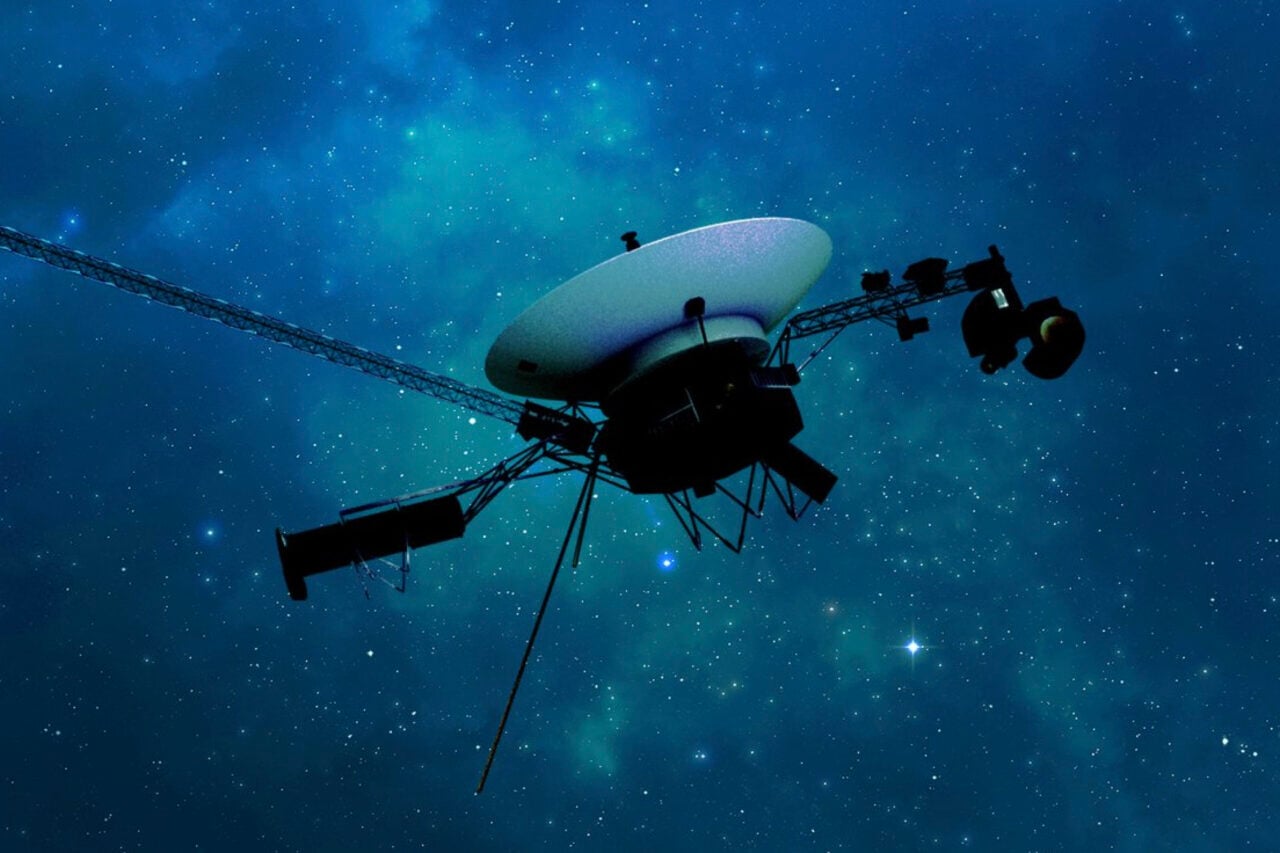
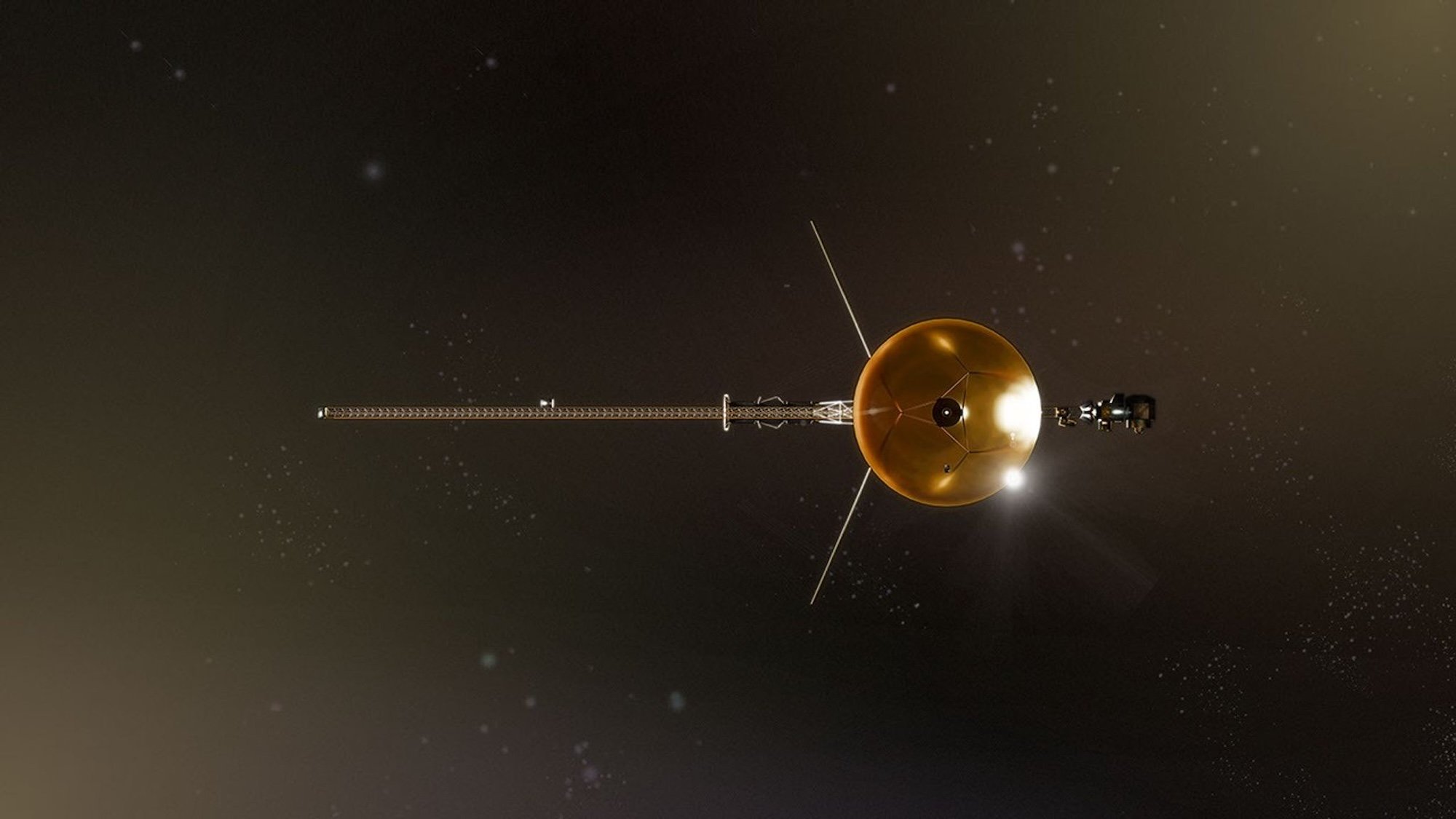
NASA's Voyager 1 set to script history: Farthest human-made object to reach one light-day from Earth

Launched in 1977, the probe was the first human-made object to enter interstellar space and is known for capturing the “Pale Blue Dot” image. Covered by 3 outlets: 1 lean left, 2 are centre.

Lean: Center Fact-focusedFactuality: HighCountry: IndiaFunding: CorporateOwner: HT Media
Full coverage
Coverage breakdown
Funding
Corporate100%
Countries
India67%
United States33%
Media ownership
G/O Media33%
HT Media33%
Independent33%
Avg reliability69
Low-credibility share0%
Fact / opinion3/0
State media0%
More analysis
Truth score: 60 (Corroborated) Propaganda risk: 0 Trending: Low Sources: 3 Reliability: 69 Bias severity: 0 Risk: 0Sentiment: 33Sensationalism: 3 Amplification: 0

How we score

Like
Left 29%29%Centre 56%56%Right 15%15%
PBS NewsHourLeans left

A NASA space telescope plunged back to Earth after a mission that lasted 11 times longer than planned

The Swift Observatory's demise came less than three months after a long-shot rescue mission failed. The Swift Observatory is barely clinging to space after a failed rescue effort left it tottering lower and lower. Covered by 41 outlets:...

Lean: Leans left Fact-focusedFactuality: Very highCountry: United StatesFunding: Public broadcasterOwner: PBS (Nonprofit)
+ 81 · Full coverage
Coverage breakdown
Funding
Corporate67%
Private16%
Public broadcaster7%
Not recorded7%
Nonprofit2%
Countries
United States64%
United Kingdom11%
India9%
Canada7%
Australia2%
Media ownership
Independent52%
BuzzFeed Inc.4%
Google News4%
Woodbridge Company4%
The Hindu Group4%
Avg reliability72
Low-credibility share2%
Fact / opinion86/0
State media0%
More analysis
Truth score: 90 (Strongly corroborated) Propaganda risk: 0 Trending: Low Sources: 45 Reliability: 72 Bias severity: 33 Risk: 2Sentiment: -30Sensationalism: 1 Amplification: 0

How we score

Like
Science
2 sources

Who is covering this

PopsciCenterNewsCenter
Truth score 48
Centre 100%100%
PopsciCenter

Join NASA’s worldwide Voyager 1 celebration on Tuesday, November 17

All you need is a little Morse code.

Lean: Center Fact-focusedFactuality: Mostly factualCountry: United StatesFunding: CorporateOwner: Independent
  • News Two ways to celebrate Voyager 1's one light-day milestone - Mashable

    Two ways to celebrate Voyager 1's one light-day milestone Mashable Join NASA’s worldwide Voyager 1 celebration on Tuesday, November 17 Popular Science Voyager 1 Is the Farthest Human-Made Object in the Universe—and...

    Lean: Center Fact-focusedFactuality: Mostly factualCountry: IndiaFunding: CorporateOwner: Independent
Full coverage
Coverage breakdown
Funding
Corporate100%
Countries
United States50%
India50%
Media ownership
Independent100%
Avg reliability65
Low-credibility share0%
Fact / opinion2/0
State media0%
More analysis
Truth score: 48 (Limited corroboration) Propaganda risk: 0 Trending: Low Sources: 2 Reliability: 65 Bias severity: 0 Risk: 0Sentiment: 50Sensationalism: 0 Amplification: 0

How we score

Like
Centre 100%100%
PopsciCenter

Earth’s first fully-marine amphibian stalked the seafloor with a chunky, bony body

‘Gerrothorax maritimus’ lived about 237 million years ago, when parts of China were covered by an ocean. Learn more about Gerrothorax maritimus, an ancient amphibian that may have lived in a fully marine ecosystem. Covered by 3 outlets:...

Lean: Center Fact-focusedFactuality: Mostly factualCountry: United StatesFunding: CorporateOwner: Independent
Full coverage
Coverage breakdown
Funding
Corporate100%
Countries
United States100%
Media ownership
Independent100%
Avg reliability65
Low-credibility share0%
Fact / opinion3/0
State media0%
More analysis
Truth score: 54 (Limited corroboration) Propaganda risk: 0 Trending: Low Sources: 3 Reliability: 65 Bias severity: 0 Risk: 0Sentiment: 0Sensationalism: 0 Amplification: 0

How we score

Like
Science
1 source
Truth score 34
No rated outlets yet
Breaking Science NewsNo political lean

Study: Comets May Have Been Unlikely to Deliver Life’s Ingredients to Early Earth

A new study led by the University of Cambridge challenges the long-standing idea that comets helped kick-start life on our home planet, suggesting that the icy bodies were largely unable to deliver the concentrated chemical ingredients...

Lean: No political lean Fact-focusedCountry: United StatesFunding: CorporateOwner: Independent
Full coverage
Coverage breakdown
Funding
Corporate100%
Countries
United States100%
Media ownership
Independent100%
Avg reliability-
Low-credibility share0%
Fact / opinion1/0
State media0%
More analysis
Truth score: 34 (Weakly supported) Propaganda risk: 0 Trending: Low Sources: 1 Reliability: Not rated Bias severity: 0 Risk: 0Sentiment: 0Sensationalism: 0 Amplification: 0

How we score

Like
Left 62%62%Centre 38%38%
Ars TechnicaLeans left

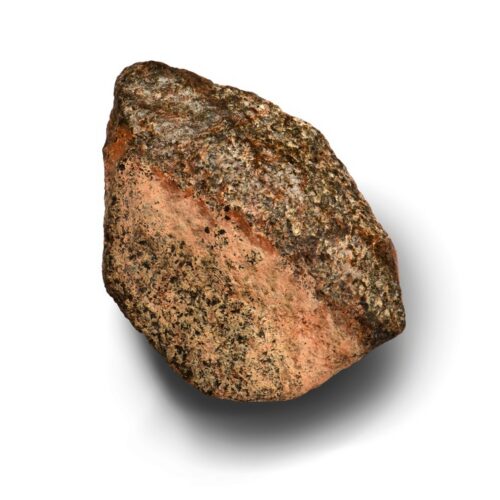
Rare meteorite from Mars gives us a view into its ancient crust

Minerals in the space rock provide hints about the early history of the red planet, when water was flowing on the surface. Covered by 9 outlets: 5 lean left, 3 are centre, 1 are not rated.

Lean: Leans left Fact-focusedFactuality: HighCountry: United StatesFunding: CorporateOwner: Condé Nast
+ 13 · Full coverage
Coverage breakdown
Funding
Corporate89%
Private11%
Countries
United States89%
India11%
Media ownership
Independent33%
Condé Nast22%
Paramount Global11%
Google News11%
NY Times Company11%
Avg reliability75
Low-credibility share0%
Fact / opinion18/0
State media0%
More analysis
Truth score: 78 (Corroborated) Propaganda risk: 0 Trending: Low Sources: 9 Reliability: 75 Bias severity: 100 Risk: 0Sentiment: 0Sensationalism: 1 Amplification: 0

How we score

Like
Science
1 source

Who is covering this

PhysCenter
Truth score 38
Centre 100%100%
PhysCenter

Earth's orbital asymmetries share recurring rhythms with El Niño, study finds

Every few years, an unusual warming of surface waters across the central and eastern tropical Pacific—known as El Niño—reorganizes atmospheric circulation worldwide, bringing severe droughts to some continents and torrential rainfall to...

Lean: Center Fact-focusedFactuality: Mostly factualCountry: United StatesFunding: CorporateOwner: Independent
Full coverage
Coverage breakdown
Funding
Corporate100%
Countries
United States100%
Media ownership
Independent100%
Avg reliability65
Low-credibility share0%
Fact / opinion1/0
State media0%
More analysis
Truth score: 38 (Weakly supported) Propaganda risk: 0 Trending: Low Sources: 1 Reliability: 65 Bias severity: 0 Risk: 0Sentiment: 0Sensationalism: 0 Amplification: 0

How we score

Like
1 source

Who is covering this

GizmodoLeans left
Truth score 40
Left 100%100%
GizmodoLeans left

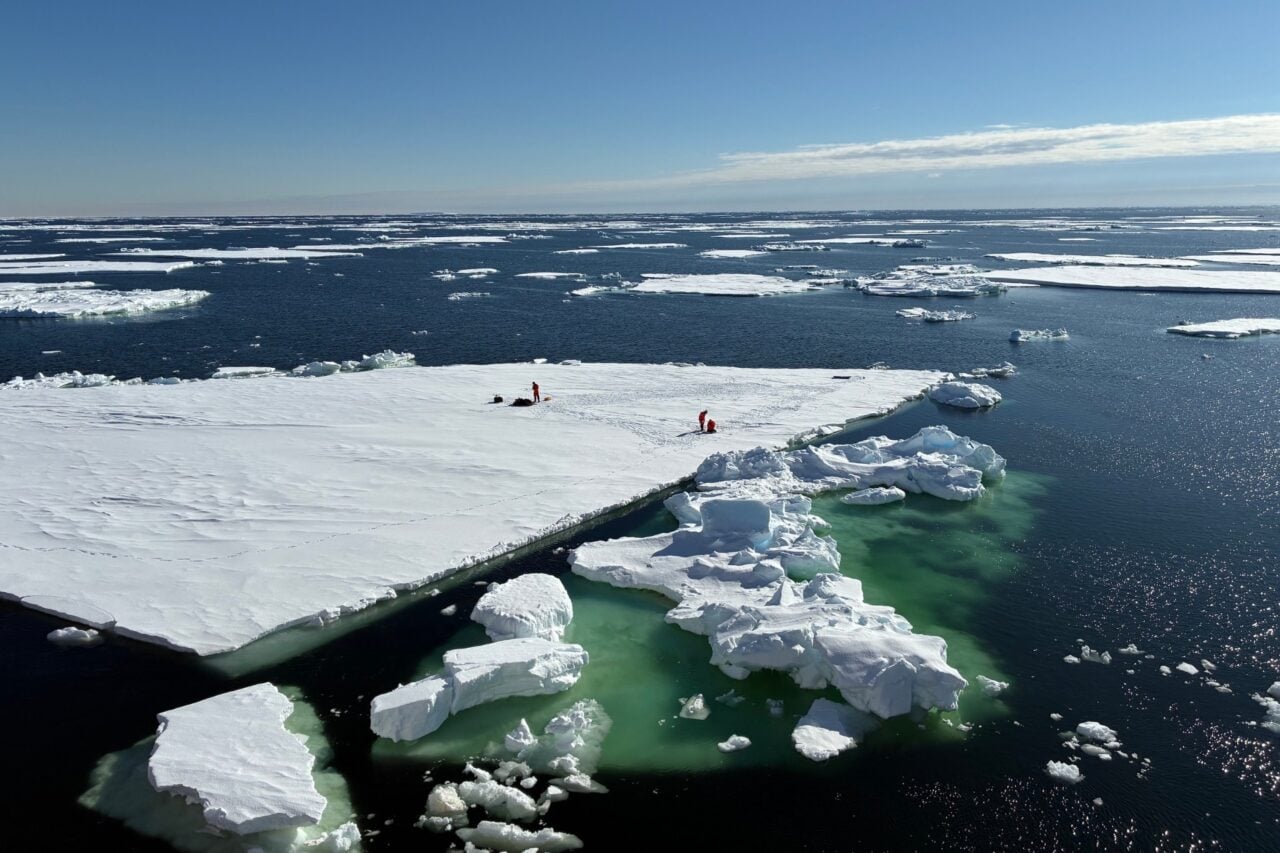
Earth’s Ice Has Crossed an Alarming Threshold—and There May Be No Going Back

The cryosphere is integral to the climate system, but it's breaking down in a warming world.

Lean: Leans left Fact-focusedFactuality: Mostly factualCountry: United StatesFunding: CorporateOwner: G/O Media
Full coverage
Coverage breakdown
Funding
Corporate100%
Countries
United States100%
Media ownership
G/O Media100%
Avg reliability70
Low-credibility share0%
Fact / opinion1/0
State media0%
More analysis
Truth score: 40 (Limited corroboration) Propaganda risk: 0 Trending: Low Sources: 1 Reliability: 70 Bias severity: 0 Risk: 0Sentiment: 0Sensationalism: 0 Amplification: 0

How we score

Like
Science
1 source

Who is covering this

IbtimesCenter
Truth score 38
Centre 100%100%
IbtimesCenter

Earth Has Captured a Tiny New Mini-Moon, but 2026 QQ8 May Leave Its Temporary Orbit by Early 2027

Asteroid 2026 QQ8 became a temporary mini-moon in April, astronomers say, but orbital calculations suggest it will leave Earth's gravitational hold in December or January.

Lean: Center Fact-focusedFactuality: Mostly factualCountry: United KingdomFunding: CorporateOwner: Independent
Full coverage
Coverage breakdown
Funding
Corporate100%
Countries
United Kingdom100%
Media ownership
Independent100%
Avg reliability65
Low-credibility share0%
Fact / opinion1/0
State media0%
More analysis
Truth score: 38 (Weakly supported) Propaganda risk: 0 Trending: Low Sources: 1 Reliability: 65 Bias severity: 0 Risk: 0Sentiment: 0Sensationalism: 0 Amplification: 0

How we score

Like
Climate
1 source

Who is covering this

GizmodoLeans left
Truth score 40
Left 100%100%
GizmodoLeans left

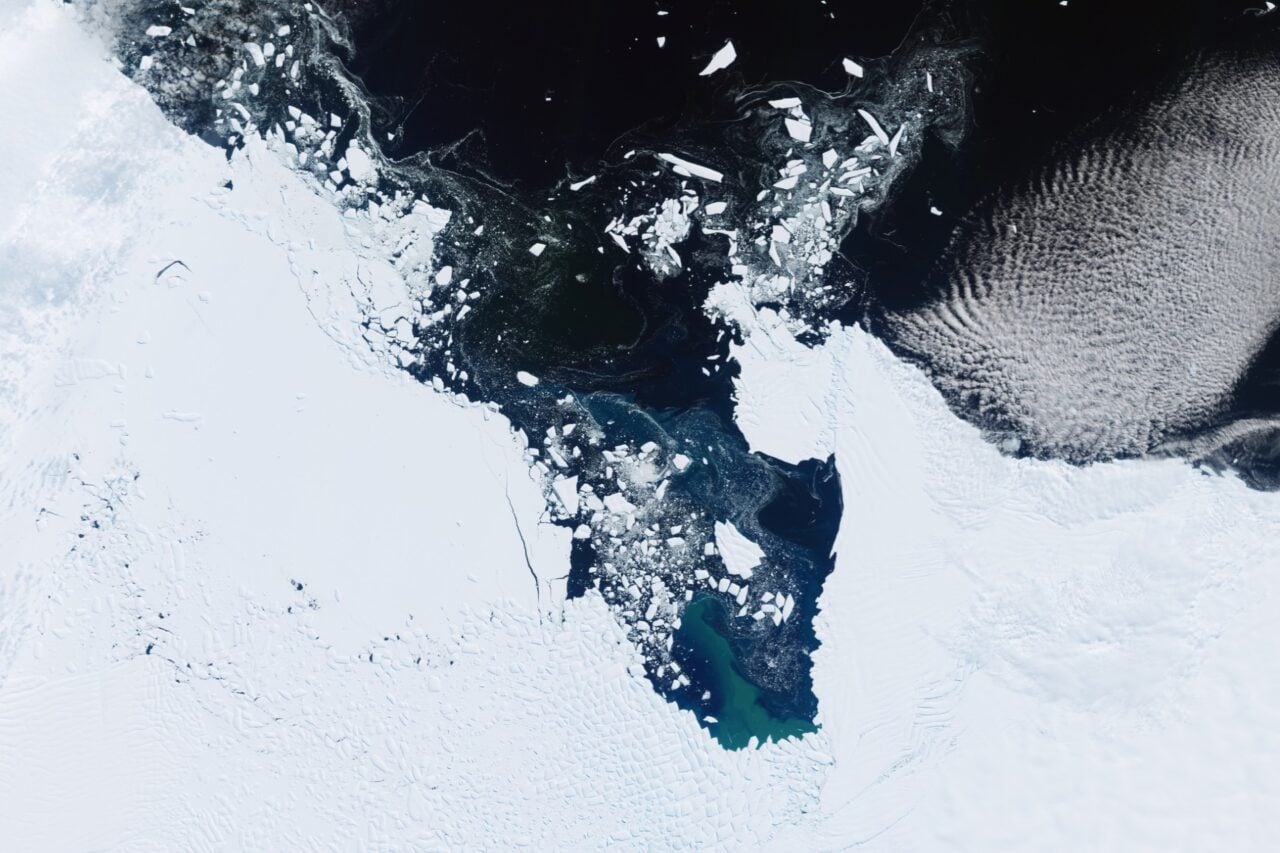
Earth Has Been This Warm Before. Here’s What Happened to the ‘Doomsday Glacier’

A critical section of the West Antarctic Ice Sheet—including Thwaites glacier—rapidly retreated during milder periods of global warming.

Lean: Leans left Fact-focusedFactuality: Mostly factualCountry: United StatesFunding: CorporateOwner: G/O Media
Full coverage
Coverage breakdown
Funding
Corporate100%
Countries
United States100%
Media ownership
G/O Media100%
Avg reliability70
Low-credibility share0%
Fact / opinion1/0
State media0%
More analysis
Truth score: 40 (Limited corroboration) Propaganda risk: 0 Trending: Low Sources: 1 Reliability: 70 Bias severity: 0 Risk: 0Sentiment: 0Sensationalism: 0 Amplification: 0

How we score

Like
No rated outlets yet
Exclaim Ca All ArticlesNo political lean

Earth Tongue Plot 2027 North American Tour

Supporting their latest album 'Dungeon Vision,' New Zealand heavy psych rock duo Earth Tongue have announced a sprawling 2027 North American

Lean: No political lean Fact-focusedCountry: CanadaFunding: CorporateOwner: Independent
Full coverage
Coverage breakdown
Funding
Corporate100%
Countries
Canada100%
Media ownership
Independent100%
Avg reliability-
Low-credibility share0%
Fact / opinion1/0
State media0%
More analysis
Truth score: 34 (Weakly supported) Propaganda risk: 0 Trending: Low Sources: 1 Reliability: Not rated Bias severity: 0 Risk: 0Sentiment: 0Sensationalism: 0 Amplification: 0

How we score

Like
Science
1 source

Who is covering this

India TodayCenter
Truth score 40
Centre 100%100%
India TodayCenter

Earth collecting more heat than it's letting out, intensifying climate imbalance

Earth collecting more heat than its letting out intensifying climate imbalance

Lean: Center Fact-focusedFactuality: HighCountry: IndiaFunding: CorporateOwner: Living Media
Full coverage
Coverage breakdown
Funding
Corporate100%
Countries
India100%
Media ownership
Living Media100%
Avg reliability72
Low-credibility share0%
Fact / opinion1/0
State media0%
More analysis
Truth score: 40 (Limited corroboration) Propaganda risk: 0 Trending: Low Sources: 1 Reliability: 72 Bias severity: 0 Risk: 0Sentiment: 0Sensationalism: 0 Amplification: 0

How we score

Like
Science
1 source

Who is covering this

PhysCenter
Truth score 38
Centre 100%100%
PhysCenter

Earth's 'core carbon' may have come from the far reaches of the solar system

A new study suggests that most of Earth's carbon originated in the outer solar system and didn't arrive here until the late stages of planetary development. The study, led by researchers at Yale and Columbia, is based upon an analysis...

Lean: Center Fact-focusedFactuality: Mostly factualCountry: United StatesFunding: CorporateOwner: Independent
Full coverage
Coverage breakdown
Funding
Corporate100%
Countries
United States100%
Media ownership
Independent100%
Avg reliability65
Low-credibility share0%
Fact / opinion1/0
State media0%
More analysis
Truth score: 38 (Weakly supported) Propaganda risk: 0 Trending: Low Sources: 1 Reliability: 65 Bias severity: 0 Risk: 0Sentiment: 0Sensationalism: 0 Amplification: 0

How we score

Like
1 source

Who is covering this

Google NewsCenter
Truth score 41
Centre 100%100%
Google NewsCenter

Earth is surrounded by millions of pieces of space junk and the problem is getting worse

Earth is surrounded by millions of pieces of space junk and the problem is getting worse WRAL How space trash could affect weather, ozone and your forecast The Weather Channel Our increasingly cluttered skies Astronomy.com The cost of...

Lean: Center Fact-focusedFactuality: HighCountry: United StatesFunding: Corporate
Full coverage
Coverage breakdown
Funding
Corporate100%
Countries
United States100%
Media ownership
Google News100%
Avg reliability75
Low-credibility share0%
Fact / opinion1/0
State media0%
More analysis
Truth score: 41 (Limited corroboration) Propaganda risk: 0 Trending: Low Sources: 1 Reliability: 75 Bias severity: 0 Risk: 0Sentiment: 0Sensationalism: 8 Amplification: 0

How we score

Like
Science
1 source

Who is covering this

PhysCenter
Truth score 38
Centre 100%100%
PhysCenter

Earth's gravity may have kept the early moon's volcanic heart beating

We typically think of the moon as a static, floating object that has remained the same for basically its entire lifetime, with an occasional asteroid impact serving as an exception. That understanding is grounded in physics—the moon...

Lean: Center Fact-focusedFactuality: Mostly factualCountry: United StatesFunding: CorporateOwner: Independent
Full coverage
Coverage breakdown
Funding
Corporate100%
Countries
United States100%
Media ownership
Independent100%
Avg reliability65
Low-credibility share0%
Fact / opinion1/0
State media0%
More analysis
Truth score: 38 (Weakly supported) Propaganda risk: 0 Trending: Low Sources: 1 Reliability: 65 Bias severity: 0 Risk: 0Sentiment: 0Sensationalism: 0 Amplification: 0

How we score

Like
Science
1 source

Who is covering this

Ars TechnicaLeans left
Truth score 43
Left 100%100%
Ars TechnicaLeans left

Earth's churning mantle may have created the Great Unconformity

Explaining the Great Unconformity, where Cambrian deposits sit on top of older rocks.

Lean: Leans left Fact-focusedFactuality: HighCountry: United StatesFunding: CorporateOwner: Condé Nast
Full coverage
Coverage breakdown
Funding
Corporate100%
Countries
United States100%
Media ownership
Condé Nast100%
Avg reliability80
Low-credibility share0%
Fact / opinion1/0
State media0%
More analysis
Truth score: 43 (Limited corroboration) Propaganda risk: 0 Trending: Low Sources: 1 Reliability: 80 Bias severity: 0 Risk: 0Sentiment: 0Sensationalism: 0 Amplification: 0

How we score

Like
Science
1 source

Who is covering this

PhysCenter
Truth score 38
Centre 100%100%
PhysCenter

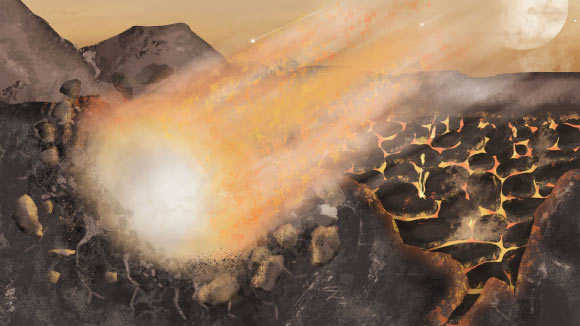
Earth's slowing spin may have shaped its primordial crust

Around 4.5 billion years ago, a planet-sized object collided with the newly formed Earth, throwing out the debris that would later form the moon. The collision left Earth spinning extremely fast, with days lasting just two to five...

Lean: Center Fact-focusedFactuality: Mostly factualCountry: United StatesFunding: CorporateOwner: Independent
Full coverage
Coverage breakdown
Funding
Corporate100%
Countries
United States100%
Media ownership
Independent100%
Avg reliability65
Low-credibility share0%
Fact / opinion1/0
State media0%
More analysis
Truth score: 38 (Weakly supported) Propaganda risk: 0 Trending: Low Sources: 1 Reliability: 65 Bias severity: 0 Risk: 0Sentiment: 0Sensationalism: 0 Amplification: 0

How we score

Like
Science
1 source

Who is covering this

PhysCenter
Truth score 38
Centre 100%100%
PhysCenter

Earth atmosphere emulators could enable faster and more accurate weather predictions

If you partitioned the entire Earth, from just below the surface to the top of the atmosphere, into 1-kilometer-square chunks, there would be billions of them. Now run each of those cells through a series of complex physics equations,...

Lean: Center Fact-focusedFactuality: Mostly factualCountry: United StatesFunding: CorporateOwner: Independent
Full coverage
Coverage breakdown
Funding
Corporate100%
Countries
United States100%
Media ownership
Independent100%
Avg reliability65
Low-credibility share0%
Fact / opinion1/0
State media0%
More analysis
Truth score: 38 (Weakly supported) Propaganda risk: 0 Trending: Low Sources: 1 Reliability: 65 Bias severity: 0 Risk: 0Sentiment: 0Sensationalism: 0 Amplification: 0

How we score

Like
Climate
1 source

Who is covering this

euronews (English)Center
Truth score 431
Centre 100%100%
euronews (English)Center

Earth Now | What does it take to tackle air pollution?

Earth Now | What does it take to tackle air pollution? From emissions at busy ports to pollution from industry, traffic, heating and dust, improving air quality means tackling a complex mix of sources. In Turkey and Uzbekistan,...

Lean: Center VideoFactuality: HighCountry: FranceFunding: CorporateOwner: Alpac Capital
Full coverage
Coverage breakdown
Funding
Corporate100%
Countries
France100%
Media ownership
Alpac Capital100%
Avg reliability80
Low-credibility share0%
Fact / opinion1/0
State media0%
More analysis
Truth score: 43 (Limited corroboration) Propaganda risk: 0 Trending: Low Sources: 1 Reliability: 80 Bias severity: 0 Risk: 0Sentiment: 0Sensationalism: 6 Amplification: 0

How we score

Like
Science
1 source

Who is covering this

NewsweekCenter
Truth score 40
Centre 100%100%
NewsweekCenter

Earth's 'Impenetrable' Space Radiation Barrier Breached by Solar Storm

Scientists found a major solar storm sent high-energy electrons into a region around Earth that they thought was protected.

Lean: Center Fact-focusedFactuality: Mostly factualCountry: United StatesFunding: PrivateOwner: Newsweek Media Group
Full coverage
Coverage breakdown
Funding
Private100%
Countries
United States100%
Media ownership
Newsweek Media Group100%
Avg reliability70
Low-credibility share0%
Fact / opinion1/0
State media0%
More analysis
Truth score: 40 (Limited corroboration) Propaganda risk: 0 Trending: Low Sources: 1 Reliability: 70 Bias severity: 0 Risk: 0Sentiment: -100Sensationalism: 0 Amplification: 0

How we score

Like
US
1 source

Who is covering this

The HinduLeans left
Truth score 43
Left 100%100%
The HinduLeans left

‘Ramayana’ movie battle sequence triggers viral interest in Keralam’s Jatayu Earth Center

The spectacular depiction of Ravana-Jatayu war in Ramayana: Part 1 has sparked global interest, turning Chadayamangalam’s Jatayu Earth Center into a viral trending destination across social media and travel vlogs

Lean: Leans left Fact-focusedFactuality: HighCountry: IndiaFunding: PrivateOwner: The Hindu Group
Full coverage
Coverage breakdown
Funding
Private100%
Countries
India100%
Media ownership
The Hindu Group100%
Avg reliability80
Low-credibility share0%
Fact / opinion1/0
State media0%
More analysis
Truth score: 43 (Limited corroboration) Propaganda risk: 0 Trending: Low Sources: 1 Reliability: 80 Bias severity: 0 Risk: 0Sentiment: -100Sensationalism: 0 Amplification: 0

How we score

Like
Entertainment
1 source

Who is covering this

DeadlineCenter
Truth score 41
Centre 100%100%
DeadlineCenter

BBC Studios Names Sreya Biswas As Head Of ‘Planet Earth III’ Maker Natural History Unit

BBC Studios (BBCS) has named Sreya Biswas as Head of its Natural History Unit (NHU), maker of Planet Earth III and Blue Planet III. Biswas will take over from Jonny Keeling early next year, taking on the lead for the editorial,...

Lean: Center Fact-focusedFactuality: HighCountry: United StatesFunding: CorporateOwner: Penske Media Corporation
Full coverage
Coverage breakdown
Funding
Corporate100%
Countries
United States100%
Media ownership
Penske Media Corporation100%
Avg reliability75
Low-credibility share0%
Fact / opinion1/0
State media0%
More analysis
Truth score: 41 (Limited corroboration) Propaganda risk: 0 Trending: Low Sources: 1 Reliability: 75 Bias severity: 0 Risk: 0Sentiment: 0Sensationalism: 0 Amplification: 0

How we score

Like
1 source

Who is covering this

GizmodoLeans left
Truth score 40
Left 100%100%
GizmodoLeans left

Welcome Earth’s New Mini-Moon. It’s Adorably Tiny and Has a Loopy Orbit

First mistaken for space junk, 2026 QQ8 has turned out to be a temporary companion to Earth.

Lean: Leans left Fact-focusedFactuality: Mostly factualCountry: United StatesFunding: CorporateOwner: G/O Media
Full coverage
Coverage breakdown
Funding
Corporate100%
Countries
United States100%
Media ownership
G/O Media100%
Avg reliability70
Low-credibility share0%
Fact / opinion1/0
State media0%
More analysis
Truth score: 40 (Limited corroboration) Propaganda risk: 0 Trending: Low Sources: 1 Reliability: 70 Bias severity: 0 Risk: 0Sentiment: 0Sensationalism: 0 Amplification: 0

How we score

Like
Science
1 source

Who is covering this

PhysCenter
Truth score 38
Centre 100%100%
PhysCenter

Two hot zones near Earth's core may fuel volcanoes beneath oceans

The ocean covers around 70% of the Earth's surface, but large parts of the seafloor remain largely unexplored.

Lean: Center Fact-focusedFactuality: Mostly factualCountry: United StatesFunding: CorporateOwner: Independent
Full coverage
Coverage breakdown
Funding
Corporate100%
Countries
United States100%
Media ownership
Independent100%
Avg reliability65
Low-credibility share0%
Fact / opinion1/0
State media0%
More analysis
Truth score: 38 (Weakly supported) Propaganda risk: 0 Trending: Low Sources: 1 Reliability: 65 Bias severity: 0 Risk: 0Sentiment: 0Sensationalism: 0 Amplification: 0

How we score

Like