INDBInternet News Database 2.5 Updated just now · 297 sources Show or hide images Light or dark

Results for “Earth's North Pole”

Climate
1 source

Who is covering this

DW NewsCenter
Truth score 45
Centre 100%100%
DW NewsCenter

What's going on with the polar vortex?

Observations show the ring of fierce winds that rotate at the Earth's North Pole has changed direction. Scientists say it's a historic disruption and the earliest reversal on record. What could it mean for the weather?

Lean: Center Fact-focusedFactuality: Very highCountry: GermanyFunding: Public broadcasterOwner: German Government
Full coverage
Coverage breakdown
Funding
Public broadcaster100%
Countries
Germany100%
Media ownership
German Government100%
Avg reliability85
Low-credibility share0%
Fact / opinion1/0
State media0%
More analysis
Truth score: 45 (Limited corroboration) Propaganda risk: 0 Trending: Low Sources: 1 Reliability: 85 Bias severity: 0 Risk: 0Sentiment: 0Sensationalism: 6 Amplification: 0

How we score

Like
Centre 100%100%
PopsciCenter

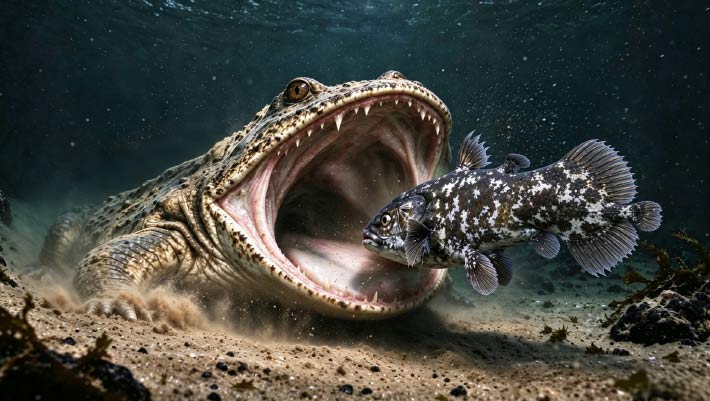
Earth’s first fully-marine amphibian stalked the seafloor with a chunky, bony body

‘Gerrothorax maritimus’ lived about 237 million years ago, when parts of China were covered by an ocean. Learn more about Gerrothorax maritimus, an ancient amphibian that may have lived in a fully marine ecosystem. Covered by 3 outlets:...

Lean: Center Fact-focusedFactuality: Mostly factualCountry: United StatesFunding: CorporateOwner: Independent
Full coverage
Coverage breakdown
Funding
Corporate100%
Countries
United States100%
Media ownership
Independent100%
Avg reliability65
Low-credibility share0%
Fact / opinion3/0
State media0%
More analysis
Truth score: 54 (Limited corroboration) Propaganda risk: 0 Trending: Low Sources: 3 Reliability: 65 Bias severity: 0 Risk: 0Sentiment: 0Sensationalism: 0 Amplification: 0

How we score

Like
Science
1 source

Who is covering this

PhysCenter
Truth score 38
Centre 100%100%
PhysCenter

Earth's orbital asymmetries share recurring rhythms with El Niño, study finds

Every few years, an unusual warming of surface waters across the central and eastern tropical Pacific—known as El Niño—reorganizes atmospheric circulation worldwide, bringing severe droughts to some continents and torrential rainfall to...

Lean: Center Fact-focusedFactuality: Mostly factualCountry: United StatesFunding: CorporateOwner: Independent
Full coverage
Coverage breakdown
Funding
Corporate100%
Countries
United States100%
Media ownership
Independent100%
Avg reliability65
Low-credibility share0%
Fact / opinion1/0
State media0%
More analysis
Truth score: 38 (Weakly supported) Propaganda risk: 0 Trending: Low Sources: 1 Reliability: 65 Bias severity: 0 Risk: 0Sentiment: 0Sensationalism: 0 Amplification: 0

How we score

Like
1 source

Who is covering this

GizmodoLeans left
Truth score 40
Left 100%100%
GizmodoLeans left

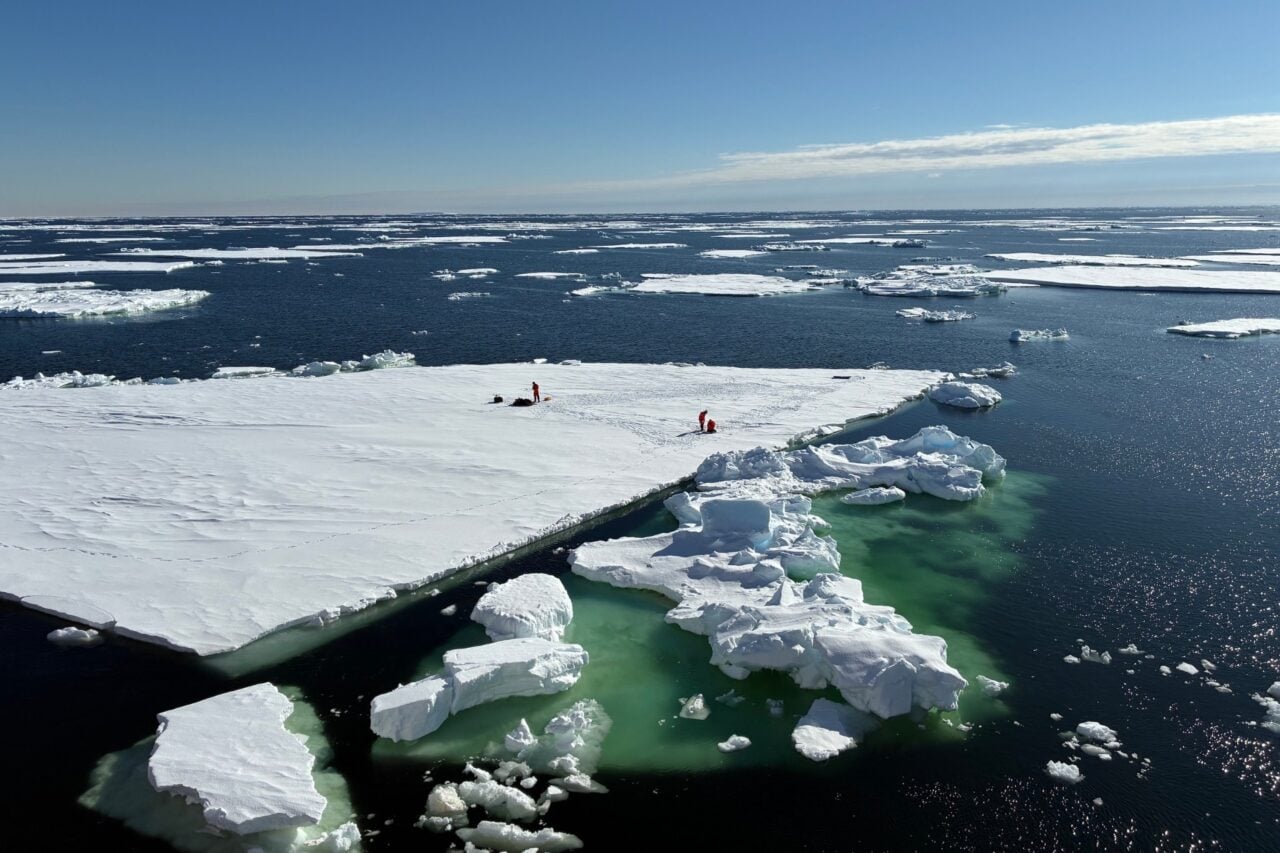
Earth’s Ice Has Crossed an Alarming Threshold—and There May Be No Going Back

The cryosphere is integral to the climate system, but it's breaking down in a warming world.

Lean: Leans left Fact-focusedFactuality: Mostly factualCountry: United StatesFunding: CorporateOwner: G/O Media
Full coverage
Coverage breakdown
Funding
Corporate100%
Countries
United States100%
Media ownership
G/O Media100%
Avg reliability70
Low-credibility share0%
Fact / opinion1/0
State media0%
More analysis
Truth score: 40 (Limited corroboration) Propaganda risk: 0 Trending: Low Sources: 1 Reliability: 70 Bias severity: 0 Risk: 0Sentiment: 0Sensationalism: 0 Amplification: 0

How we score

Like
Science
1 source

Who is covering this

PhysCenter
Truth score 38
Centre 100%100%
PhysCenter

Earth's 'core carbon' may have come from the far reaches of the solar system

A new study suggests that most of Earth's carbon originated in the outer solar system and didn't arrive here until the late stages of planetary development. The study, led by researchers at Yale and Columbia, is based upon an analysis...

Lean: Center Fact-focusedFactuality: Mostly factualCountry: United StatesFunding: CorporateOwner: Independent
Full coverage
Coverage breakdown
Funding
Corporate100%
Countries
United States100%
Media ownership
Independent100%
Avg reliability65
Low-credibility share0%
Fact / opinion1/0
State media0%
More analysis
Truth score: 38 (Weakly supported) Propaganda risk: 0 Trending: Low Sources: 1 Reliability: 65 Bias severity: 0 Risk: 0Sentiment: 0Sensationalism: 0 Amplification: 0

How we score

Like
Science
1 source

Who is covering this

PhysCenter
Truth score 38
Centre 100%100%
PhysCenter

Earth's gravity may have kept the early moon's volcanic heart beating

We typically think of the moon as a static, floating object that has remained the same for basically its entire lifetime, with an occasional asteroid impact serving as an exception. That understanding is grounded in physics—the moon...

Lean: Center Fact-focusedFactuality: Mostly factualCountry: United StatesFunding: CorporateOwner: Independent
Full coverage
Coverage breakdown
Funding
Corporate100%
Countries
United States100%
Media ownership
Independent100%
Avg reliability65
Low-credibility share0%
Fact / opinion1/0
State media0%
More analysis
Truth score: 38 (Weakly supported) Propaganda risk: 0 Trending: Low Sources: 1 Reliability: 65 Bias severity: 0 Risk: 0Sentiment: 0Sensationalism: 0 Amplification: 0

How we score

Like
Science
1 source

Who is covering this

Ars TechnicaLeans left
Truth score 43
Left 100%100%
Ars TechnicaLeans left

Earth's churning mantle may have created the Great Unconformity

Explaining the Great Unconformity, where Cambrian deposits sit on top of older rocks.

Lean: Leans left Fact-focusedFactuality: HighCountry: United StatesFunding: CorporateOwner: Condé Nast
Full coverage
Coverage breakdown
Funding
Corporate100%
Countries
United States100%
Media ownership
Condé Nast100%
Avg reliability80
Low-credibility share0%
Fact / opinion1/0
State media0%
More analysis
Truth score: 43 (Limited corroboration) Propaganda risk: 0 Trending: Low Sources: 1 Reliability: 80 Bias severity: 0 Risk: 0Sentiment: 0Sensationalism: 0 Amplification: 0

How we score

Like
Science
1 source

Who is covering this

PhysCenter
Truth score 38
Centre 100%100%
PhysCenter

Earth's slowing spin may have shaped its primordial crust

Around 4.5 billion years ago, a planet-sized object collided with the newly formed Earth, throwing out the debris that would later form the moon. The collision left Earth spinning extremely fast, with days lasting just two to five...

Lean: Center Fact-focusedFactuality: Mostly factualCountry: United StatesFunding: CorporateOwner: Independent
Full coverage
Coverage breakdown
Funding
Corporate100%
Countries
United States100%
Media ownership
Independent100%
Avg reliability65
Low-credibility share0%
Fact / opinion1/0
State media0%
More analysis
Truth score: 38 (Weakly supported) Propaganda risk: 0 Trending: Low Sources: 1 Reliability: 65 Bias severity: 0 Risk: 0Sentiment: 0Sensationalism: 0 Amplification: 0

How we score

Like
Science
1 source

Who is covering this

NewsweekCenter
Truth score 40
Centre 100%100%
NewsweekCenter

Earth's 'Impenetrable' Space Radiation Barrier Breached by Solar Storm

Scientists found a major solar storm sent high-energy electrons into a region around Earth that they thought was protected.

Lean: Center Fact-focusedFactuality: Mostly factualCountry: United StatesFunding: PrivateOwner: Newsweek Media Group
Full coverage
Coverage breakdown
Funding
Private100%
Countries
United States100%
Media ownership
Newsweek Media Group100%
Avg reliability70
Low-credibility share0%
Fact / opinion1/0
State media0%
More analysis
Truth score: 40 (Limited corroboration) Propaganda risk: 0 Trending: Low Sources: 1 Reliability: 70 Bias severity: 0 Risk: 0Sentiment: -100Sensationalism: 0 Amplification: 0

How we score

Like
1 source

Who is covering this

GizmodoLeans left
Truth score 40
Left 100%100%
GizmodoLeans left

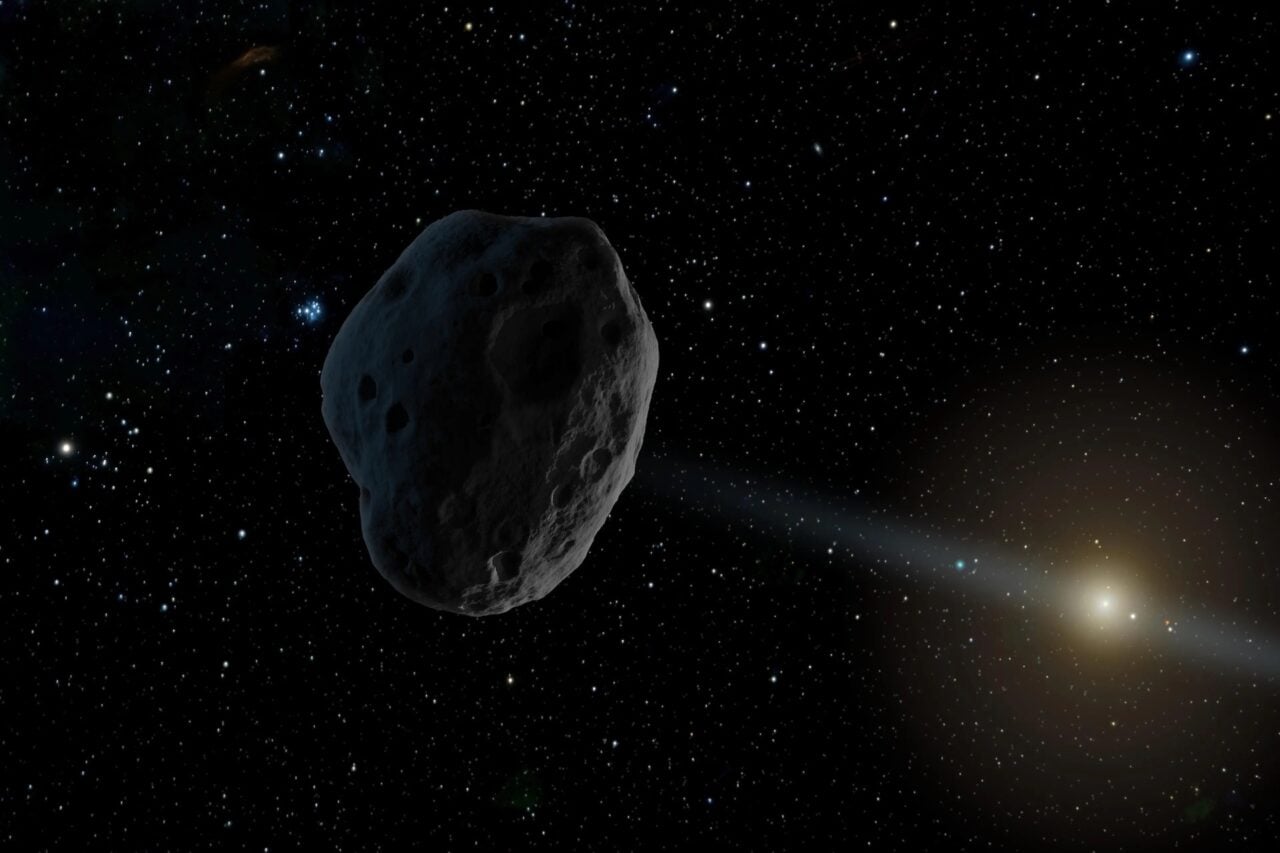
Welcome Earth’s New Mini-Moon. It’s Adorably Tiny and Has a Loopy Orbit

First mistaken for space junk, 2026 QQ8 has turned out to be a temporary companion to Earth.

Lean: Leans left Fact-focusedFactuality: Mostly factualCountry: United StatesFunding: CorporateOwner: G/O Media
Full coverage
Coverage breakdown
Funding
Corporate100%
Countries
United States100%
Media ownership
G/O Media100%
Avg reliability70
Low-credibility share0%
Fact / opinion1/0
State media0%
More analysis
Truth score: 40 (Limited corroboration) Propaganda risk: 0 Trending: Low Sources: 1 Reliability: 70 Bias severity: 0 Risk: 0Sentiment: 0Sensationalism: 0 Amplification: 0

How we score

Like
Science
1 source

Who is covering this

PhysCenter
Truth score 38
Centre 100%100%
PhysCenter

Two hot zones near Earth's core may fuel volcanoes beneath oceans

The ocean covers around 70% of the Earth's surface, but large parts of the seafloor remain largely unexplored.

Lean: Center Fact-focusedFactuality: Mostly factualCountry: United StatesFunding: CorporateOwner: Independent
Full coverage
Coverage breakdown
Funding
Corporate100%
Countries
United States100%
Media ownership
Independent100%
Avg reliability65
Low-credibility share0%
Fact / opinion1/0
State media0%
More analysis
Truth score: 38 (Weakly supported) Propaganda risk: 0 Trending: Low Sources: 1 Reliability: 65 Bias severity: 0 Risk: 0Sentiment: 0Sensationalism: 0 Amplification: 0

How we score

Like
Science
1 source

Who is covering this

PhysCenter
Truth score 38
Centre 100%100%
PhysCenter

Ancient rocks reveal when Earth's tectonic engine 'switched on'

Scientists have identified a major turning point in Earth's geological history, when the processes shaping the planet's crust changed dramatically and began to resemble the plate tectonics we see today—about 2.5 billion years ago.

Lean: Center Fact-focusedFactuality: Mostly factualCountry: United StatesFunding: CorporateOwner: Independent
Full coverage
Coverage breakdown
Funding
Corporate100%
Countries
United States100%
Media ownership
Independent100%
Avg reliability65
Low-credibility share0%
Fact / opinion1/0
State media0%
More analysis
Truth score: 38 (Weakly supported) Propaganda risk: 0 Trending: Low Sources: 1 Reliability: 65 Bias severity: 0 Risk: 0Sentiment: 0Sensationalism: 0 Amplification: 0

How we score

Like
Science
1 source

Who is covering this

The HillCenter
Truth score 42
Centre 100%100%
The HillCenter

NASA telescope reenters Earth’s atmosphere

Experts say a handful of pieces made of denser-than-lead tungsten and some mirror parts could survive reentry.

Lean: Center Fact-focusedFactuality: HighCountry: United StatesFunding: CorporateOwner: Nexstar Media Group
Full coverage
Coverage breakdown
Funding
Corporate100%
Countries
United States100%
Media ownership
Nexstar Media Group100%
Avg reliability78
Low-credibility share0%
Fact / opinion1/0
State media0%
More analysis
Truth score: 42 (Limited corroboration) Propaganda risk: 0 Trending: Low Sources: 1 Reliability: 78 Bias severity: 0 Risk: 0Sentiment: 0Sensationalism: 0 Amplification: 0

How we score

Like
Science
1 source
Truth score 34
No rated outlets yet
Discover Top StoriesNo political lean

Animals Can Detect Earth’s Magnetic Field, a Potential Sixth Sense That Remains Elusive to Humans

Animals like sea turtles, salmon, pigeons, and sharks can use Earth's magnetic field to cross entire oceans. How can they tap into this sense and will humans ever be able to do it, too?

Lean: No political lean Fact-focusedCountry: United StatesFunding: CorporateOwner: Independent
Full coverage
Coverage breakdown
Funding
Corporate100%
Countries
United States100%
Media ownership
Independent100%
Avg reliability-
Low-credibility share0%
Fact / opinion1/0
State media0%
More analysis
Truth score: 34 (Weakly supported) Propaganda risk: 0 Trending: Low Sources: 1 Reliability: Not rated Bias severity: 0 Risk: 0Sentiment: 0Sensationalism: 0 Amplification: 0

How we score

Like
Science
1 source

Who is covering this

PhysCenter
Truth score 38
Centre 100%100%
PhysCenter

How the Southern Ocean helped fuel Earth's warmest climate in 65 million years

About 50 million years ago, Earth experienced its warmest climate since the extinction of the dinosaurs. Global temperatures were more than 10°C higher than today, and atmospheric CO₂ concentrations reached around 1,600 parts per...

Lean: Center Fact-focusedFactuality: Mostly factualCountry: United StatesFunding: CorporateOwner: Independent
Full coverage
Coverage breakdown
Funding
Corporate100%
Countries
United States100%
Media ownership
Independent100%
Avg reliability65
Low-credibility share0%
Fact / opinion1/0
State media0%
More analysis
Truth score: 38 (Weakly supported) Propaganda risk: 0 Trending: Low Sources: 1 Reliability: 65 Bias severity: 0 Risk: 0Sentiment: 0Sensationalism: 0 Amplification: 0

How we score

Like
Science
1 source

Who is covering this

PhysCenter
Truth score 38
Centre 100%100%
PhysCenter

New modeling links gaps in Earth's geological record to rising and sinking continents

Research led by a University of Wollongong (UOW) Ph.D. candidate may have solved one of Earth's most perplexing geological mysteries: What caused the Great Unconformity?

Lean: Center Fact-focusedFactuality: Mostly factualCountry: United StatesFunding: CorporateOwner: Independent
Full coverage
Coverage breakdown
Funding
Corporate100%
Countries
United States100%
Media ownership
Independent100%
Avg reliability65
Low-credibility share0%
Fact / opinion1/0
State media0%
More analysis
Truth score: 38 (Weakly supported) Propaganda risk: 0 Trending: Low Sources: 1 Reliability: 65 Bias severity: 0 Risk: 0Sentiment: 0Sensationalism: 0 Amplification: 0

How we score

Like
Science
1 source

Who is covering this

LiveCenter
Truth score 41
Centre 100%100%
LiveCenter

How do summers differ between Earth's hemispheres?

Each of Earth's hemispheres experiences summer, but how do they differ?

Lean: Center Fact-focusedFactuality: HighCountry: United StatesFunding: CorporateOwner: Future US
Full coverage
Coverage breakdown
Funding
Corporate100%
Countries
United States100%
Media ownership
Future US100%
Avg reliability75
Low-credibility share0%
Fact / opinion1/0
State media0%
More analysis
Truth score: 41 (Limited corroboration) Propaganda risk: 0 Trending: Low Sources: 1 Reliability: 75 Bias severity: 0 Risk: 0Sentiment: 0Sensationalism: 6 Amplification: 0

How we score

Like
Science
1 source

Who is covering this

PhysCenter
Truth score 38
Centre 100%100%
PhysCenter

Some of the oldest rocks ever discovered shed light on Earth's early history

Earth is approximately 4.5 billion years old, according to estimates. However, rocks dating back to the planet's earliest days are extremely rare. Hence the excitement over the discovery in northern China of some of the oldest known...

Lean: Center Fact-focusedFactuality: Mostly factualCountry: United StatesFunding: CorporateOwner: Independent
Full coverage
Coverage breakdown
Funding
Corporate100%
Countries
United States100%
Media ownership
Independent100%
Avg reliability65
Low-credibility share0%
Fact / opinion1/0
State media0%
More analysis
Truth score: 38 (Weakly supported) Propaganda risk: 0 Trending: Low Sources: 1 Reliability: 65 Bias severity: 0 Risk: 0Sentiment: 0Sensationalism: 0 Amplification: 0

How we score

Like
Science
1 source
Truth score 34
No rated outlets yet
Discover Top StoriesNo political lean

A Tiny Object Thought to Be Space Junk Is Earth's Newest Mini-Moon, but 2026 QQ8 Isn't Sticking Around

Learn more about 2026 QQ8, also known as Earth's newest mini-moon that was first spotted on Aug. 20, 2026.

Lean: No political lean Fact-focusedCountry: United StatesFunding: CorporateOwner: Independent
Full coverage
Coverage breakdown
Funding
Corporate100%
Countries
United States100%
Media ownership
Independent100%
Avg reliability-
Low-credibility share0%
Fact / opinion1/0
State media0%
More analysis
Truth score: 34 (Weakly supported) Propaganda risk: 0 Trending: Low Sources: 1 Reliability: Not rated Bias severity: 0 Risk: 0Sentiment: 0Sensationalism: 0 Amplification: 0

How we score

Like
Science
1 source

Who is covering this

PhysCenter
Truth score 38
Centre 100%100%
PhysCenter

UN reports warn of large-scale damage to Earth's ice from climate change

Exceeding 1.5C of global warming will have "irreversible" consequences for glaciers, sea ice and the Earth's frozen regions, two U.N. reports warned on Monday, calling for urgent action.

Lean: Center Fact-focusedFactuality: Mostly factualCountry: United StatesFunding: CorporateOwner: Independent
Full coverage
Coverage breakdown
Funding
Corporate100%
Countries
United States100%
Media ownership
Independent100%
Avg reliability65
Low-credibility share0%
Fact / opinion1/0
State media0%
More analysis
Truth score: 38 (Weakly supported) Propaganda risk: 0 Trending: Low Sources: 1 Reliability: 65 Bias severity: 0 Risk: 0Sentiment: 0Sensationalism: 0 Amplification: 0

How we score

Like
Science
1 source

Who is covering this

PhysCenter
Truth score 38
Centre 100%100%
PhysCenter

Volcanic eruptions in the tropics are a major factor in Earth's thermostat

Volcanic eruptions are known for their spectacular visual displays of vivid lava, as well as the devastating impacts they can have on the environment and the communities who live nearby. But they can also have far-reaching impacts...

Lean: Center Fact-focusedFactuality: Mostly factualCountry: United StatesFunding: CorporateOwner: Independent
Full coverage
Coverage breakdown
Funding
Corporate100%
Countries
United States100%
Media ownership
Independent100%
Avg reliability65
Low-credibility share0%
Fact / opinion1/0
State media0%
More analysis
Truth score: 38 (Weakly supported) Propaganda risk: 0 Trending: Low Sources: 1 Reliability: 65 Bias severity: 0 Risk: 0Sentiment: 0Sensationalism: 0 Amplification: 0

How we score

Like
Science
1 source

Who is covering this

LiveCenter
Truth score 41
Centre 100%100%
LiveCenter

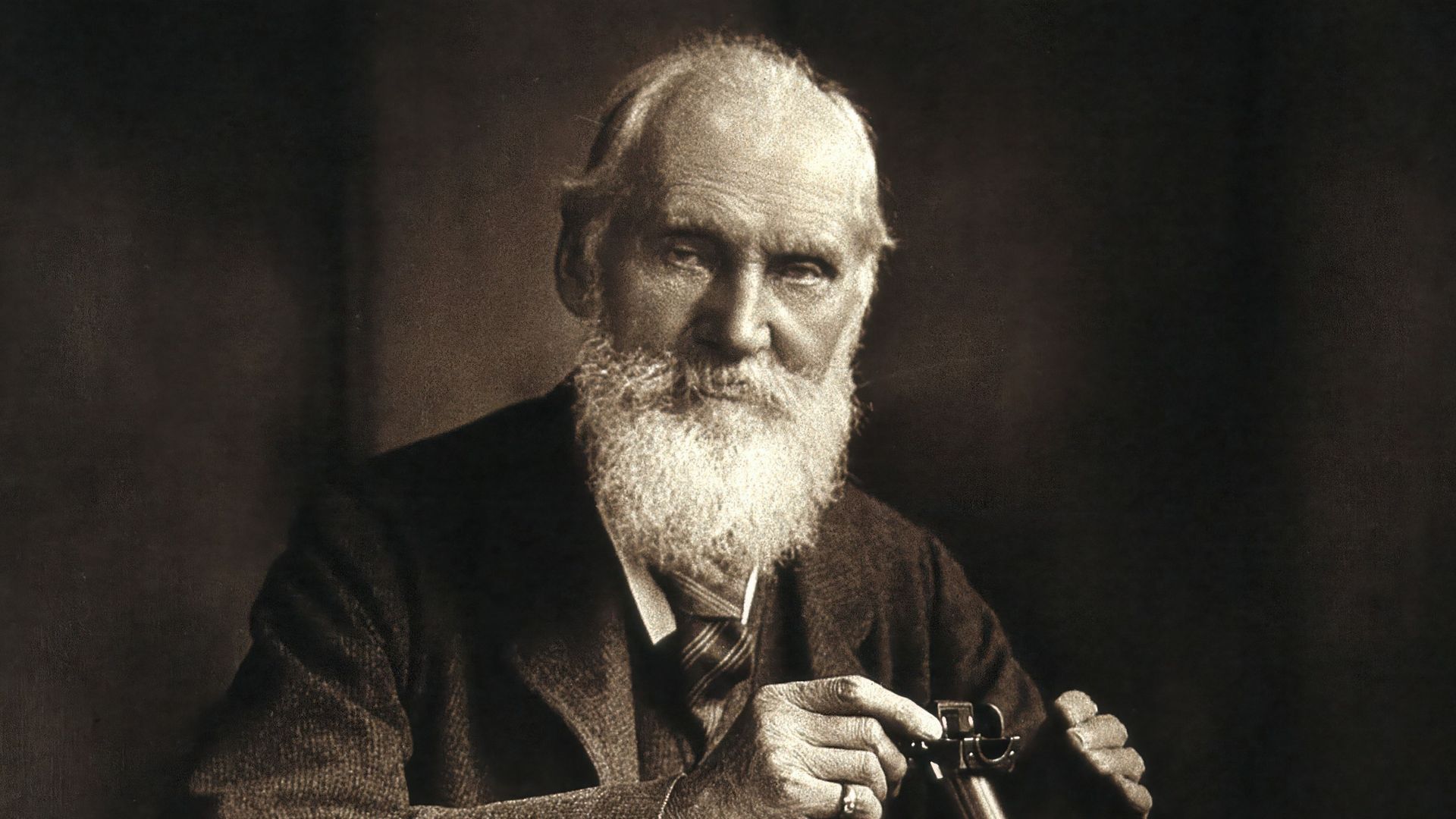
'No one dared question his results': How thermodynamics sparked a heated debate about Earth's age in the 19th century

In this excerpt from "This is Life: A Journey from Inside Your Body to Beyond Earth," author and physicist Christophe Galfard explores the way 19th century scientists were starting to use thermodynamics to understand just how old Earth is.

Lean: Center Fact-focusedFactuality: HighCountry: United StatesFunding: CorporateOwner: Future US
Full coverage
Coverage breakdown
Funding
Corporate100%
Countries
United States100%
Media ownership
Future US100%
Avg reliability75
Low-credibility share0%
Fact / opinion1/0
State media0%
More analysis
Truth score: 41 (Limited corroboration) Propaganda risk: 0 Trending: Low Sources: 1 Reliability: 75 Bias severity: 0 Risk: 0Sentiment: 0Sensationalism: 0 Amplification: 0

How we score

Like
Science
1 source

Who is covering this

HowstuffworksNo political lean
Truth score 34
No rated outlets yet
HowstuffworksNo political lean

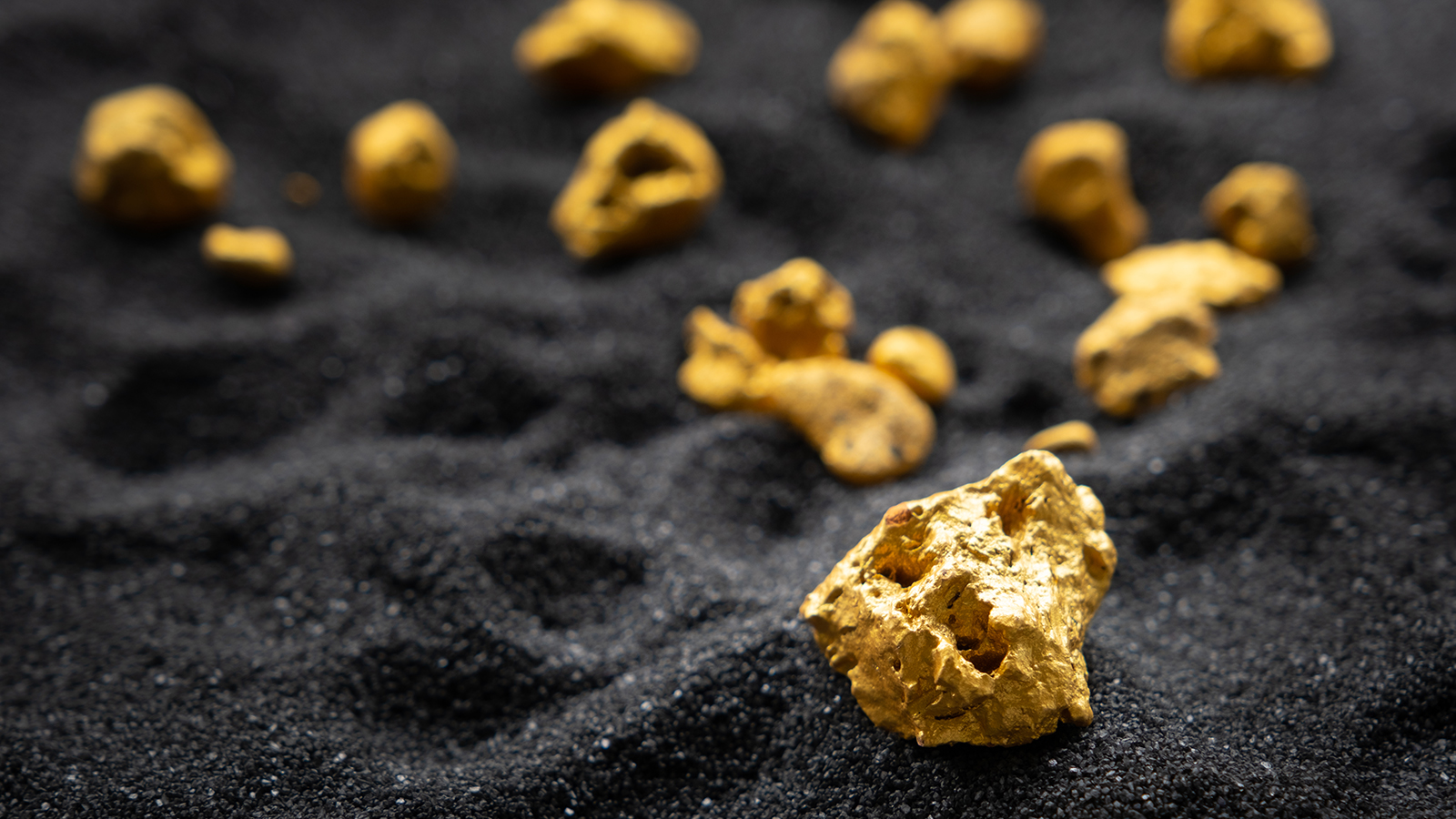
How Is Gold Made? From Cosmic Collisions to Earth's Crust

Gold starts with nuclear reactions in space, not geological reactions underground. Follow its journey from cosmic debris to mineable deposits.

Lean: No political lean Fact-focusedCountry: United StatesFunding: CorporateOwner: Independent
Full coverage
Coverage breakdown
Funding
Corporate100%
Countries
United States100%
Media ownership
Independent100%
Avg reliability-
Low-credibility share0%
Fact / opinion1/0
State media0%
More analysis
Truth score: 34 (Weakly supported) Propaganda risk: 0 Trending: Low Sources: 1 Reliability: Not rated Bias severity: 0 Risk: 0Sentiment: 0Sensationalism: 0 Amplification: 0

How we score

Like
Health
1 source
Truth score 42
Left 100%100%
The Sydney Morning HeraldLeans left

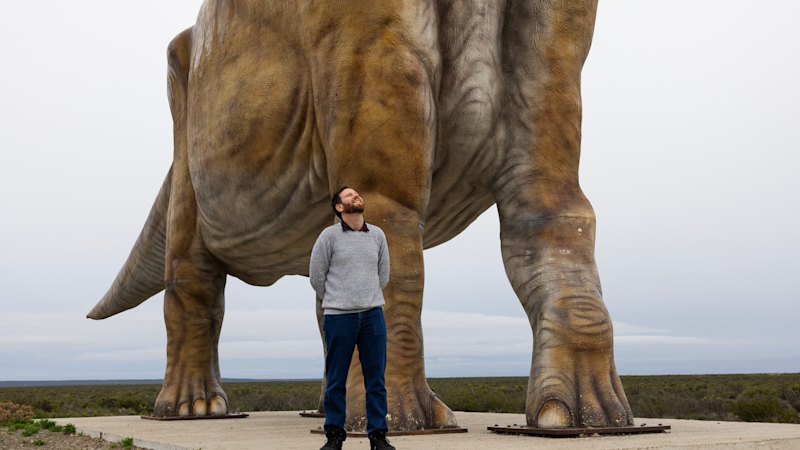
Matt dug in Patagonia. He made a priceless discovery about Earth’s biggest creatures

A fossil hunt in a remote Argentinian province has revealed a skeleton critical to the story of biology’s grandest experiment.

Lean: Leans left Fact-focusedFactuality: HighCountry: AustraliaFunding: CorporateOwner: Nine Entertainment
Full coverage
Coverage breakdown
Funding
Corporate100%
Countries
Australia100%
Media ownership
Nine Entertainment100%
Avg reliability78
Low-credibility share0%
Fact / opinion1/0
State media0%
More analysis
Truth score: 42 (Limited corroboration) Propaganda risk: 0 Trending: Low Sources: 1 Reliability: 78 Bias severity: 0 Risk: 0Sentiment: 0Sensationalism: 0 Amplification: 0

How we score

Like
Entertainment
2 sources

Who is covering this

IGNCenterGamesradarCenter
Truth score 491
Centre 100%100%
IGNCenter

Channing Tatum Shows Off Updated Gambit Accent in New Avengers: Doomsday Ad

Channing Tatum has debuted a slightly updated accent for Gambit in a new Avengers: Doomsday x Dunkin Donuts ad.

Lean: Center Fact-focusedFactuality: Mostly factualCountry: United StatesFunding: CorporateOwner: Ziff Davis
+ 3 · Full coverage
Coverage breakdown
Funding
Corporate100%
Countries
United States100%
Media ownership
Independent50%
Ziff Davis50%
Avg reliability68
Low-credibility share0%
Fact / opinion5/0
State media0%
More analysis
Truth score: 49 (Limited corroboration) Propaganda risk: 0 Trending: Low Sources: 2 Reliability: 68 Bias severity: 0 Risk: 0Sentiment: -20Sensationalism: 0 Amplification: 0

How we score

Like
Science
2 sources

Who is covering this

NewsweekCenterGizmodoLeans left
Truth score 54
Left 50%50%Centre 50%50%
GizmodoLeans left

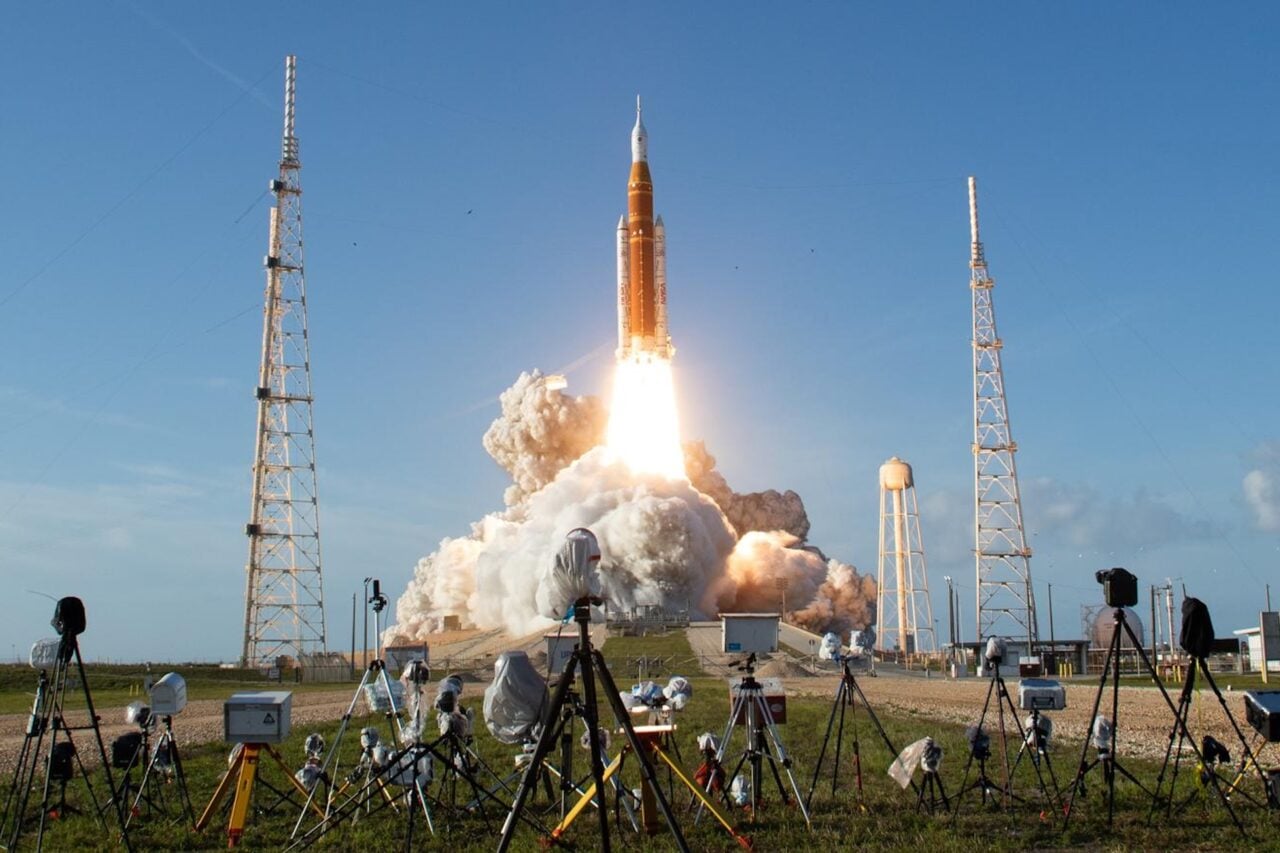
Artemis 2 Blew a 3,100-Mile Hole in the Sky. GPS Receivers Noticed

The launch of NASA’s crewed Artemis 2 Moon mission sent three sets of ripples through Earth’s upper atmosphere.

Lean: Leans left Fact-focusedFactuality: Mostly factualCountry: United StatesFunding: CorporateOwner: G/O Media
Full coverage
Coverage breakdown
Funding
Private50%
Corporate50%
Countries
United States100%
Media ownership
Newsweek Media Group50%
G/O Media50%
Avg reliability70
Low-credibility share0%
Fact / opinion2/0
State media0%
More analysis
Truth score: 54 (Limited corroboration) Propaganda risk: 0 Trending: Low Sources: 2 Reliability: 70 Bias severity: 0 Risk: 0Sentiment: 0Sensationalism: 0 Amplification: 0
How we score

Like
Left 31%31%Centre 55%55%Right 14%14%
BBC NewsCenter

Scientists predict 2026 hottest year on record as climate talks begin

Scientists are predictng this could be the hottest year on record as the COP31 climate summit opens. Increased heat will supercharge extreme weather events, warns UN agency as Cop31 climate summit begins Heat is accumulating in Earth’s...

Lean: Center Fact-focusedFactuality: Very highCountry: United KingdomFunding: Public broadcasterOwner: BBC (UK Government)
+ 116 · Full coverage
Coverage breakdown
Funding
Corporate55%
Public broadcaster14%
Private14%
Nonprofit7%
State-funded5%
Countries
United States39%
India14%
United Kingdom11%
Canada11%
Australia7%
Media ownership
Independent45%
Scott Trust5%
FRANCE 24 English5%
Axel Springer5%
AP (Cooperative)5%
Avg reliability74
Low-credibility share2%
Fact / opinion121/0
State media4%
More analysis
Truth score: 90 (Strongly corroborated) Propaganda risk: 0 Trending: Low Sources: 44 Reliability: 74 Bias severity: 37 Risk: 2Sentiment: -22Sensationalism: 2 Amplification: 0
How we score

Like
Science
1 source

Who is covering this

PhysCenter
Truth score 38
Centre 100%100%
PhysCenter

Microbes at the end of the Earth: Antarctica's hidden biodiversity

When we think about Antarctica, many people imagine penguins, seals and whales. However, the majority of Antarctica's scientific wonders cannot be seen without a microscope. These microbial communities form the foundation of Antarctic...

Lean: Center Fact-focusedFactuality: Mostly factualCountry: United StatesFunding: CorporateOwner: Independent
Full coverage
Coverage breakdown
Funding
Corporate100%
Countries
United States100%
Media ownership
Independent100%
Avg reliability65
Low-credibility share0%
Fact / opinion1/0
State media0%
More analysis
Truth score: 38 (Weakly supported) Propaganda risk: 0 Trending: Low Sources: 1 Reliability: 65 Bias severity: 0 Risk: 0Sentiment: 0Sensationalism: 0 Amplification: 0

How we score

Like
US
1 source

Who is covering this

The HinduLeans left
Truth score 43
Left 100%100%
The HinduLeans left

‘Ramayana’ movie battle sequence triggers viral interest in Keralam’s Jatayu Earth Center

The spectacular depiction of Ravana-Jatayu war in Ramayana: Part 1 has sparked global interest, turning Chadayamangalam’s Jatayu Earth Center into a viral trending destination across social media and travel vlogs

Lean: Leans left Fact-focusedFactuality: HighCountry: IndiaFunding: PrivateOwner: The Hindu Group
Full coverage
Coverage breakdown
Funding
Private100%
Countries
India100%
Media ownership
The Hindu Group100%
Avg reliability80
Low-credibility share0%
Fact / opinion1/0
State media0%
More analysis
Truth score: 43 (Limited corroboration) Propaganda risk: 0 Trending: Low Sources: 1 Reliability: 80 Bias severity: 0 Risk: 0Sentiment: -100Sensationalism: 0 Amplification: 0
How we score

Like
Entertainment
1 source

Who is covering this

PolygonNo political lean
Truth score 34
No rated outlets yet
PolygonNo political lean

10 Essential Fantasy Books You Need to Read at Least Once in Your Life

From Tolkien's Middle-earth to Lovecraft's dreamscapes, these 10 essential fantasy books deserve a place on your shelf.

Lean: No political lean Fact-focusedCountry: United StatesFunding: CorporateOwner: Vox Media
Full coverage
Coverage breakdown
Funding
Corporate100%
Countries
United States100%
Media ownership
Vox Media100%
Avg reliability-
Low-credibility share0%
Fact / opinion1/0
State media0%
More analysis
Truth score: 34 (Weakly supported) Propaganda risk: 0 Trending: Low Sources: 1 Reliability: Not rated Bias severity: 0 Risk: 0Sentiment: 0Sensationalism: 0 Amplification: 0

How we score

Like