Astronomers discover remarkable triple-star system just 28 light-years from Earth
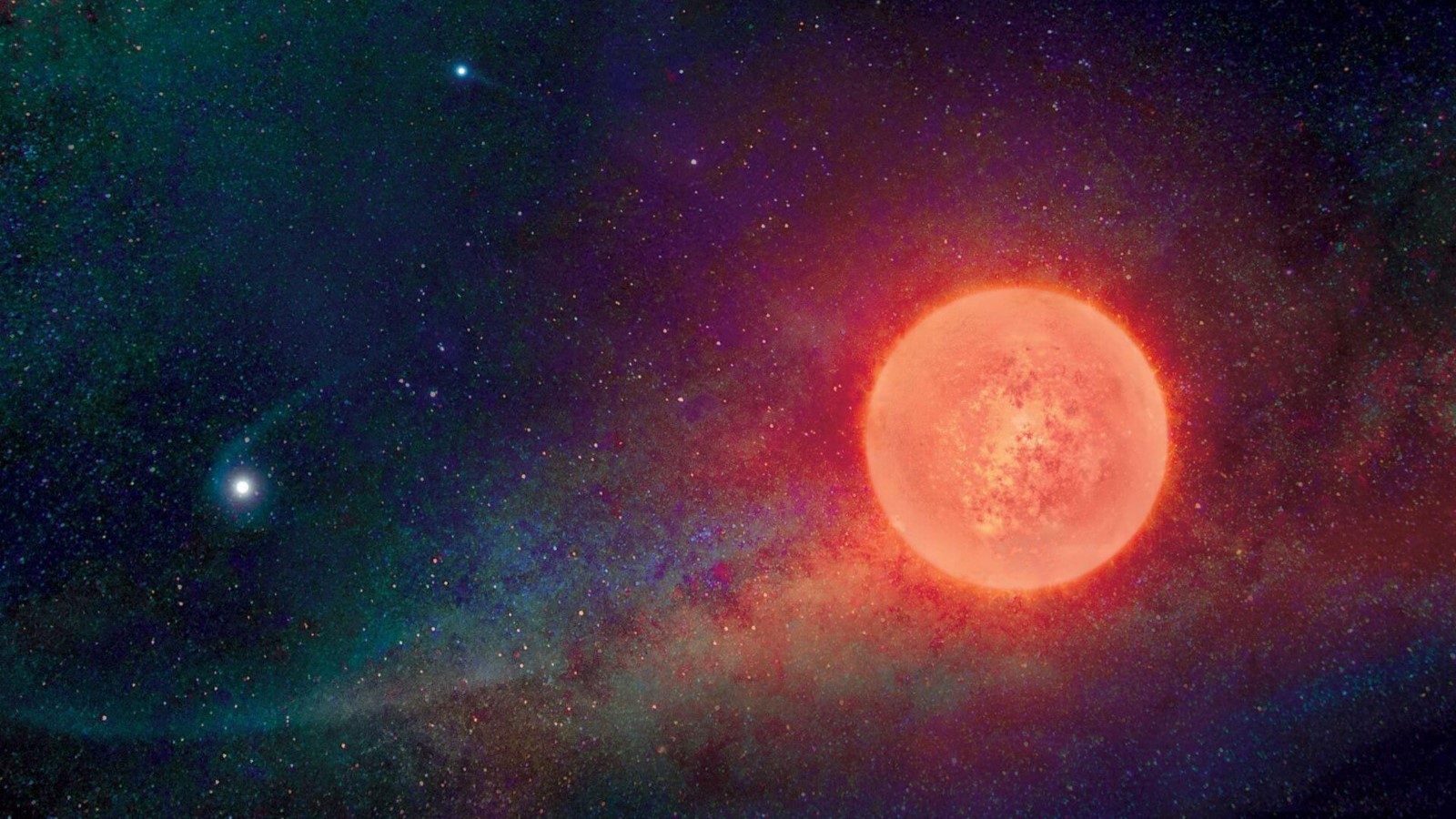
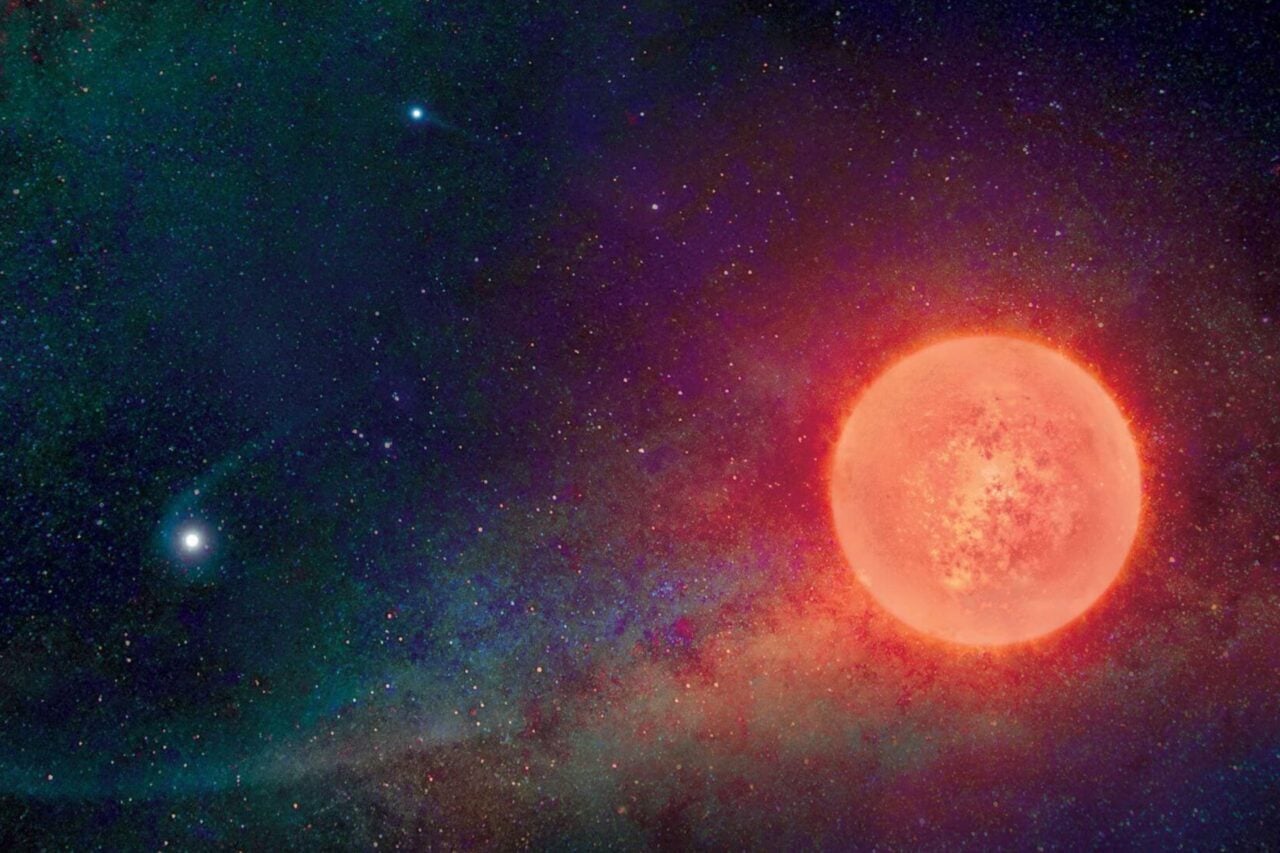
Astronomers have discovered a stellar system just 28 light-years from Earth that challenges our understanding of how stars live, die and interact as they evolve.
Named Nāpōwawāʻenakaulua, the compact pair contains two rapidly feeding supermassive black holes separated by just 18,100 light-years.
Triple Star System Welopōʻai: What Is It? Explained | Latest News Utkarsh Classes Astronomers just discovered a rare triple star system 28 light-years away, and they have ‘no clean explanation for how it got here’ Space A rare...
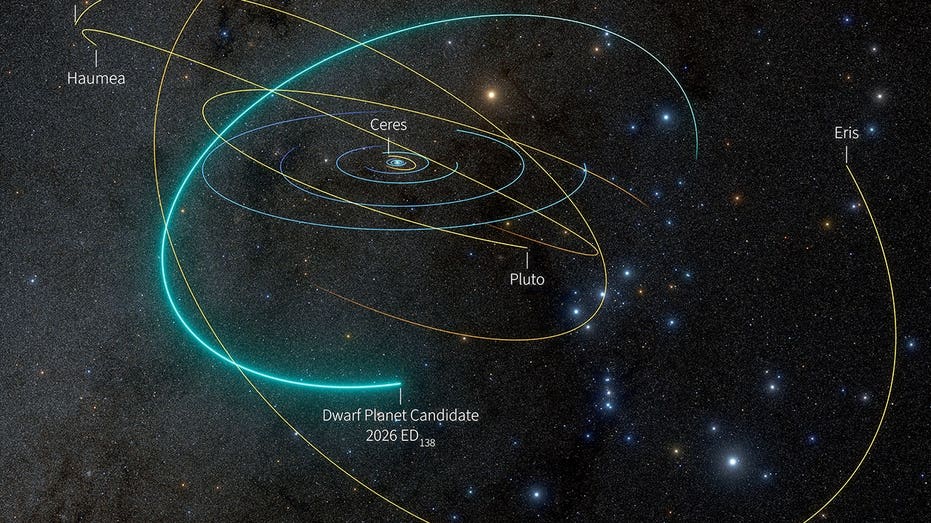
Lying beyond Pluto, 2026 ED138 could be as large as 1,500 kilometers in diameter. The Vera C. Covered by 9 outlets: 2 lean left, 4 are centre, 1 lean right, 2 are not rated.
Scientists discover potentially massive dwarf planet candidate hiding beyond Pluto Fox News Scientists discover massive dwarf planet lurking in the outer solar system FOX Weather Astronomers Just Discovered a New...
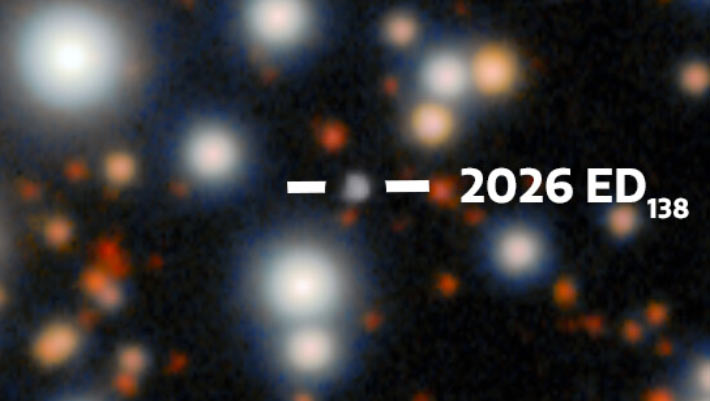
Object 2026 ED138 was spotted beyond Pluto using observations from the Vera C. Rubin Observatory, and scientists say it could be among the largest dwarf planets ever found.
A University of Washington astronomer helped spot what is believed to be a newly discovered dwarf planet. Plus, a supermoon, a meteor shower and a planet.
Astronomers using the NSF-DOE Vera C. Rubin Observatory have found what may be a new dwarf planet in the outer Solar System.
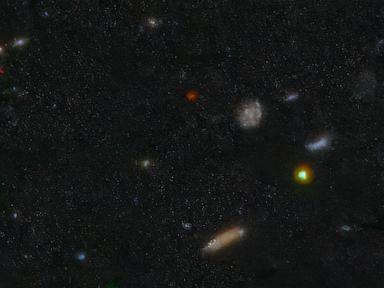
Scientists are seeing the quasar as it was 13.1 billion years ago — when the universe was less than 5% of its current age. Covered by 5 outlets: 2 lean left, 2 are centre, 1 are not rated.
Scientists discover quasar formed 630 million years after the Big Bang DW.com Scientists discover quasar formed within a mere 630 million years of the Big Bang, setting a record ABC News - Breaking News, Latest News...
Scientists are seeing the quasar as it was 13.1 billion years ago — when the universe was less than 5% of its current age.
“This time the leap in cosmic time is huge!” Julien Wolf of the European Southern Observatory said.
Scientists have discovered the most distant quasar yet, the core of a galaxy with a slow-chomping black hole at its center dating back to nearly the dawn of the universe.
Learn how a giant planet 1,000 light-years away kept turning up hours off schedule until it stopped turning up at all, and what it took to prove it had only moved out of our line of sight.
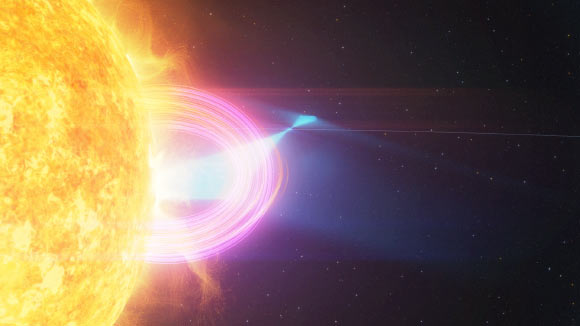
Scientists at the Curtin University node at the International Center for Radio Astronomy Research (ICRAR) have linked mysterious radio pulses to an unusual pairing of stars—a dead star that spins every eight minutes and a star similar...
Astronomers trace mystery radio signals back to cosmic odd couple of white dwarf and sun-like star Space A long-period transient with a Sun-like companion Nature A dead star is flashing radio waves every 8 minutes,...
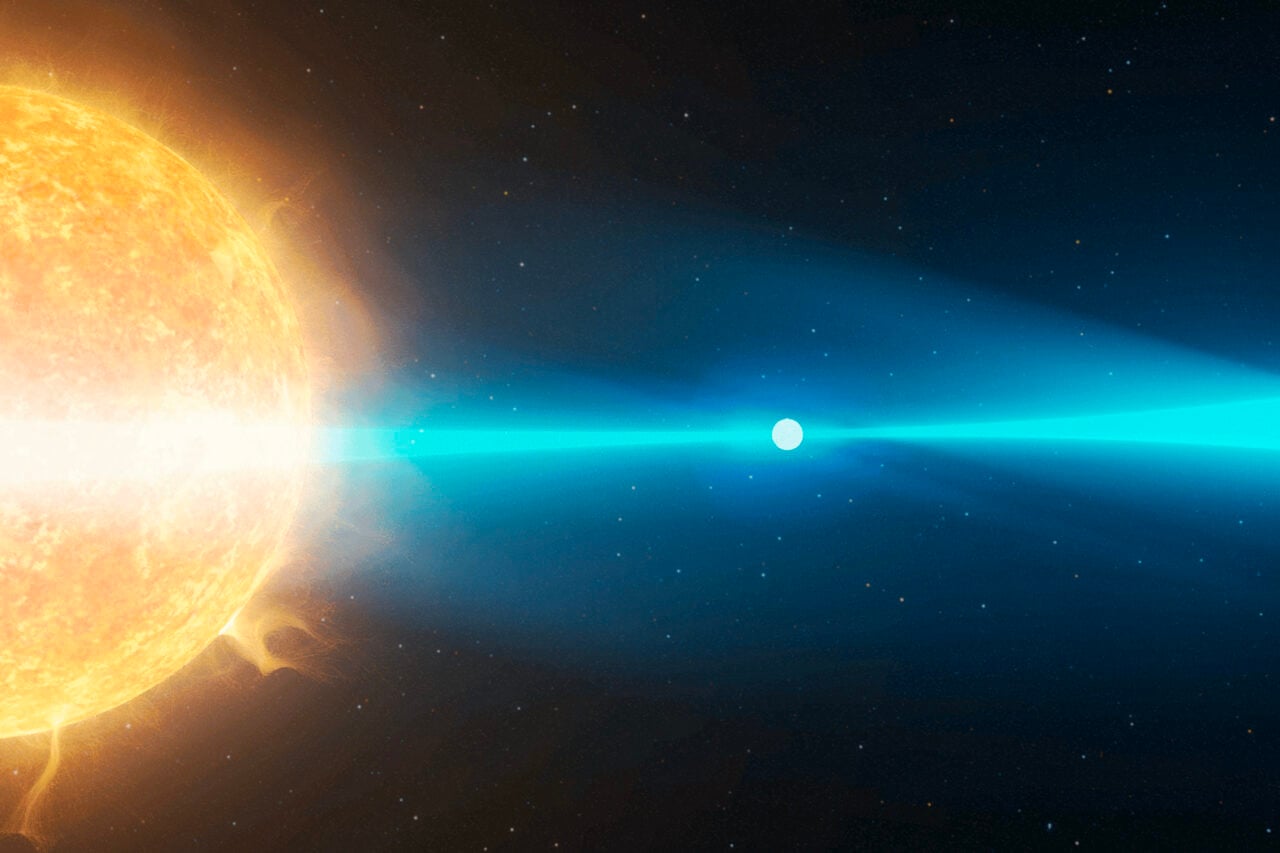
Learn about a "dead" white dwarf star and a sun-like star orbiting each other, emitting radio signals that flash every eight minutes.
Astronomers at the Curtin University node at the International Centre for Radio Astronomy Research (ICRAR) have found a white dwarf that beams out radio pulses every 7.9 minutes while circling a star much like our Sun.
Astronomers using the James Webb Space Telescope followed up on years-old observations to confirm the first recorded act of a giant star swallowing its companion. Astronomers witnessed a giant star swallow its smaller companion,...
A giant star swallowed another star. James Webb reveals the aftermath ScienceDaily AT 2025abao in the Andromeda Galaxy NASA Science (.gov) An inspiral of a star inside a common envelope with its giant companion...
Astronomers using the James Webb Space Telescope followed up on years-old observations to confirm the first recorded act of a giant star swallowing its companion. The stellar cannibalism occurred just next door, in...
Insane real space images shows a star ‘eating’ its companion in scientific first: ‘Absolutely flabbergasted’ New York Post An inspiral of a star inside a common envelope with its giant companion Nature Two stars in...
Astronomers witnessed a giant star swallow its smaller companion, offering a first-of-its-kind look at a stellar merger.
So far, observations by instruments including the James Webb Space Telescope have revealed the presence of surprisingly massive black holes in the early universe. Covered by 3 outlets: 3 are centre.
Johns Hopkins researchers searching the expanse of the universe for the existence of the first black holes are zeroing in on little red dots that may hold the key to the theoretical phenomenon.
Astronomers are mystified by little red dots in the sky The Economist Webb Space Telescope's little red dots could hold key to first black holes Johns Hopkins University Could primordial black holes hold the key to...
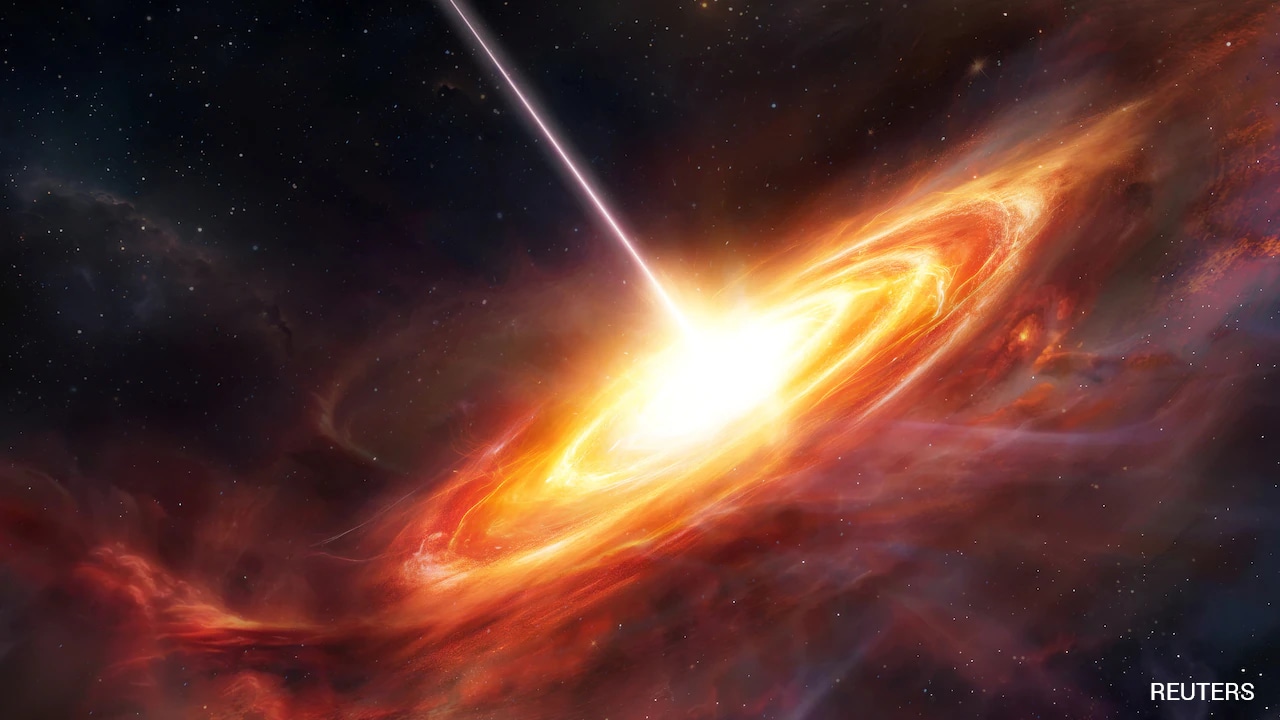
A quasar is a bright galactic core powered by a black hole
An artist's impression shows a quasar, the bright core of a galaxy.
Astronomers spot white dwarf star with two rings of planetary debris Reuters
Astronomers spot white dwarf star with two rings of planetary debris Devdiscourse See more headlines and perspectives on Google News
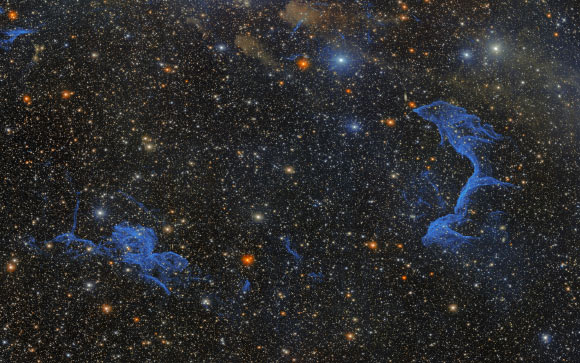
Using the Dark Energy Camera on NSF’s Víctor M. Blanco 4-m telescope, astronomers have photographed a supernova remnant that looks remarkably like a betta fish swimming through the cosmos.
Some active galactic nuclei (AGNs)—galaxies that are powered by actively feeding black holes—undergo rapid changes in their appearance, which manifest as a change in their spectral properties. These are called "changing-look" AGNs....
Astrophysics researchers accidentally discovered a weirdly crowded star system with three dwarf stars while hunting for exoplanets. They’re still not sure how it formed.
Jupiter's moon Europa is a world of scientific intrigue, with a global ocean believed to lie beneath its icy crust. Now, observations from W. M. Keck Observatory on Maunakea, Hawaiʻi Island, reveal something unexpected: the enormous,...
Dr. Étienne Artigau from the Université de Montréal and colleagues have discovered a white dwarf orbiting a red dwarf star just 27.6 light-years away from Earth.
Astronomers have measured the orbit, masses and distance of a pair of small, active stars with extraordinary precision, using the U.S. National Science Foundation's Very Long Baseline Array (NSF VLBA), operated by the U.S. National...
Astronomers redefine star cluster in a new study The Hindu
A tiny asteroid entered Earth's orbit in April and is expected to leave in January. Meet the minimoon 2026 QQ8.
Using seven years of data from NASA’s Transiting Exoplanet Survey Satellite (TESS), plus ground-based telescopes, University of California, Los Angeles astronomer Samuel Yee and colleagues report that the hot Jupiter TOI-2535 b has...
Using the Low Frequency Array (LOFAR), an international team led by Leiden University has produced the sharpest and most sensitive radio image of the sky ever made at low radio frequencies. The image reveals almost 63,000 radio sources,...
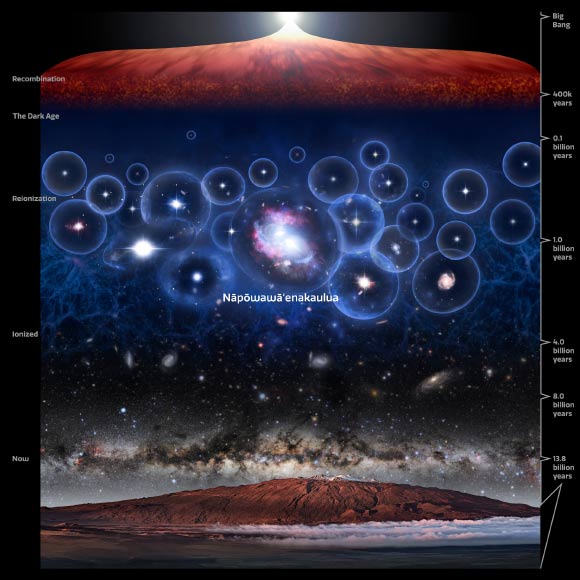
How did the universe transition from an impenetrable fog of hydrogen into the bright and starlit cosmos we see today? Astronomers think they're onto the answer.
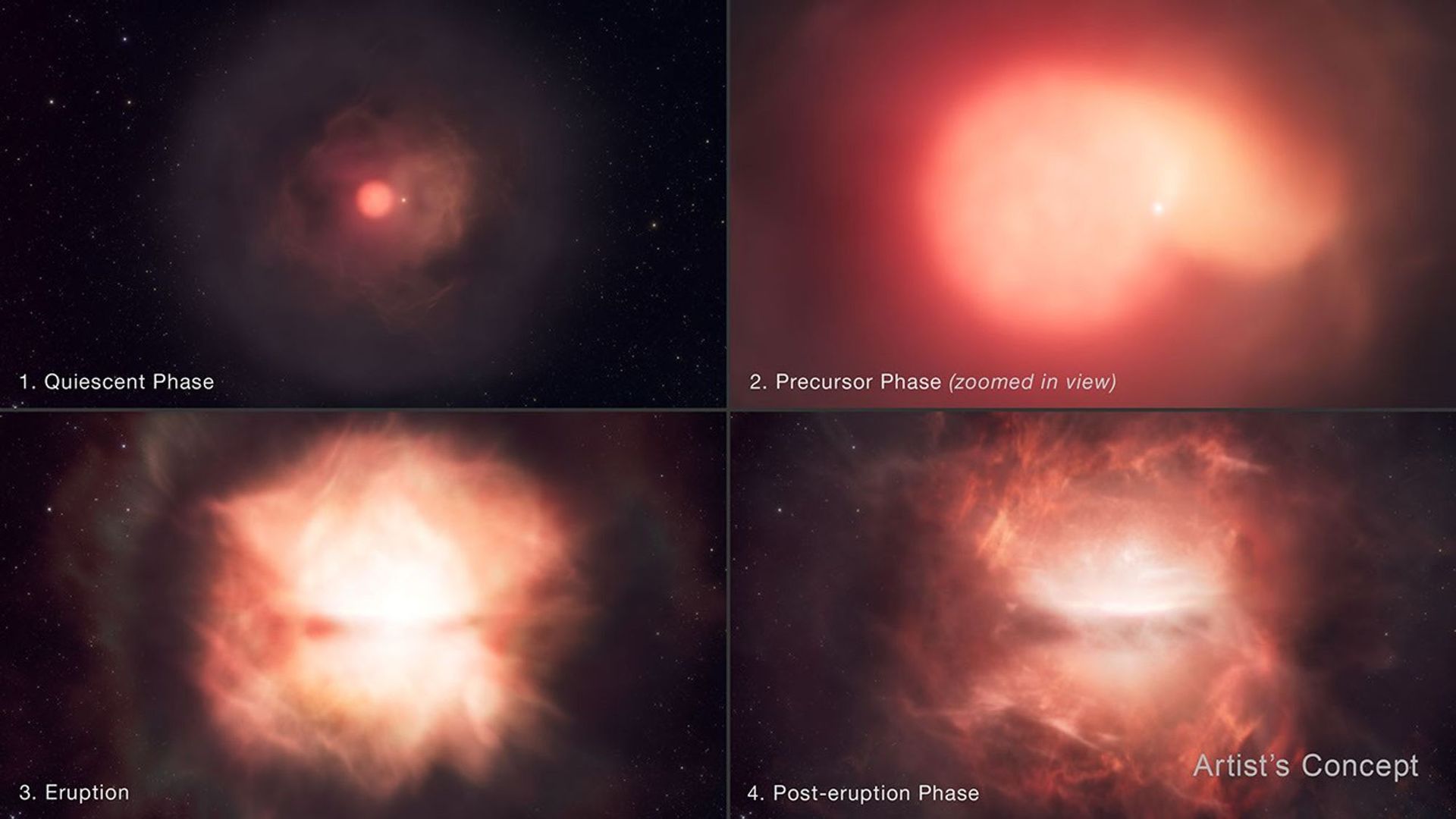
This supernova impostor baffled astronomers for 15 years — until they found a hidden black hole feeding on an unstable star Space NASA’s Chandra Finds Source of Star’s Mysterious Outbursts NASA Science (.gov) The Chandra X-Ray...
The UK is unable to match the advanced surveillance and counter-surveillance programmes run by the US, China and Russia, but it is working with civilian astronomers to develop a way of monitoring spy satellites via ground-based telescopes
Team led by Indian astronomers redefine star cluster UBC 63 as a double cluster system spotted after close flyby India Education Diary
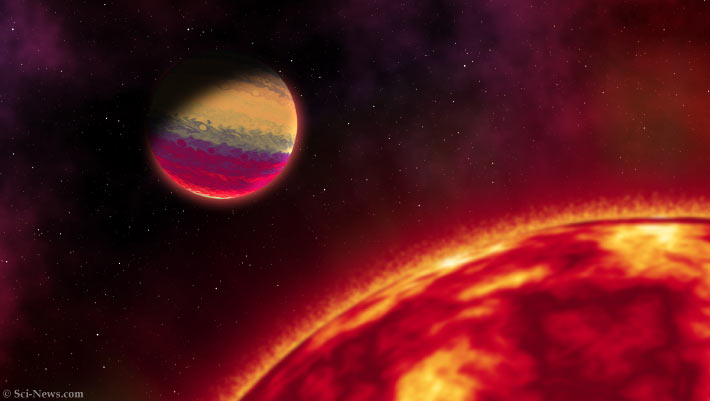
The 'hot Jupiter' is about 1,000 light-years away from Earth.
Aliens have long been a staple of science fiction. Yet the possibility of intelligent life beyond Earth is more than a matter of imagination—it is also a subject of serious scientific inquiry. Professor Woong-bae Zee of Sejong...
It’s the first observation of its kind.
A new supernova has been spotted in NGC 1433, a spiral galaxy about 50 million light-years away. That's pretty close for supernova observations, and it's an opportunity for detailed follow-up study. It's not a core-collapse supernova,...